Genus Stolotermes · 胄白蚁属
Filter the taxa recorded under this genus by name and locality; for the whole site use the full-text search.
Distribution map
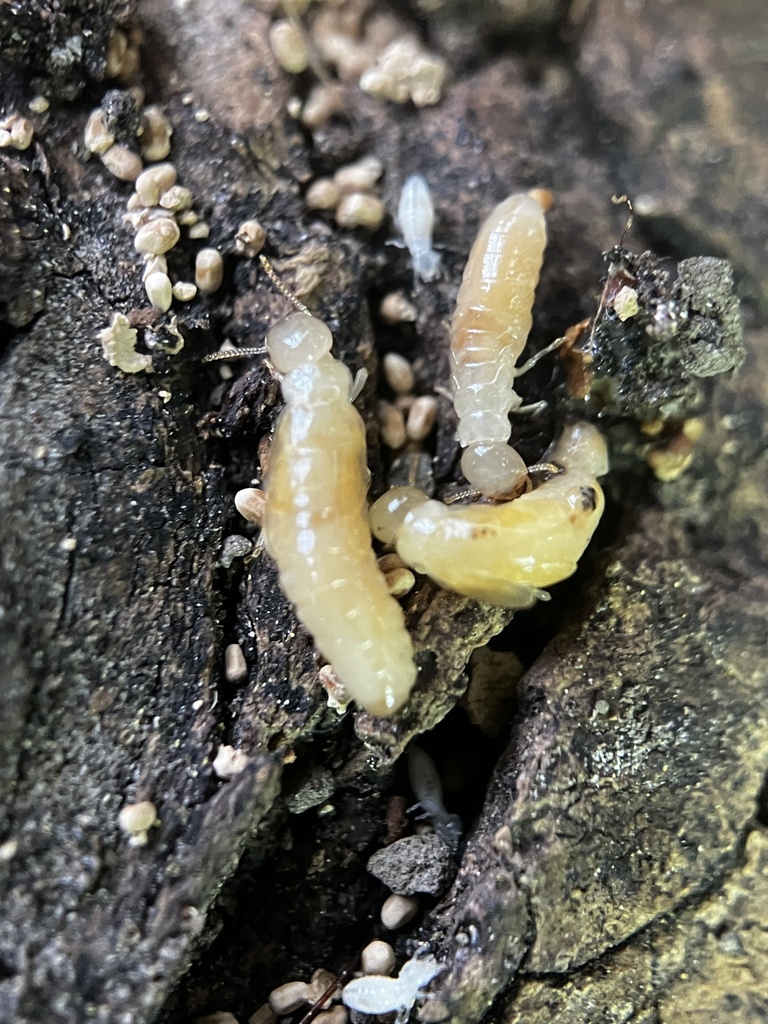
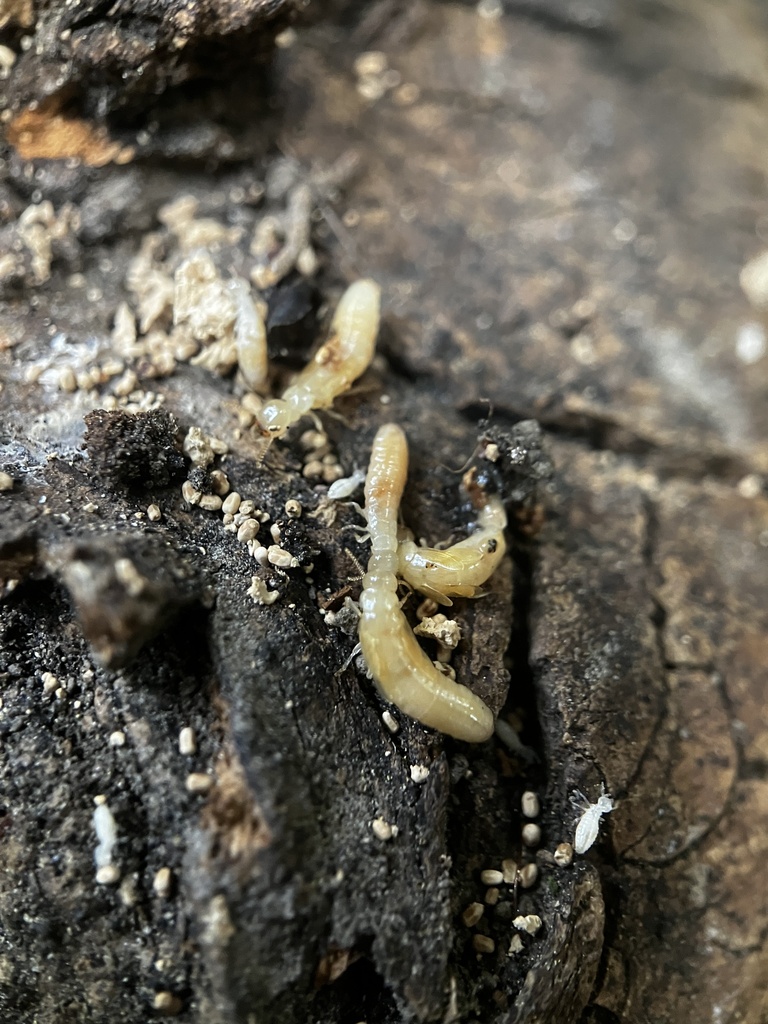
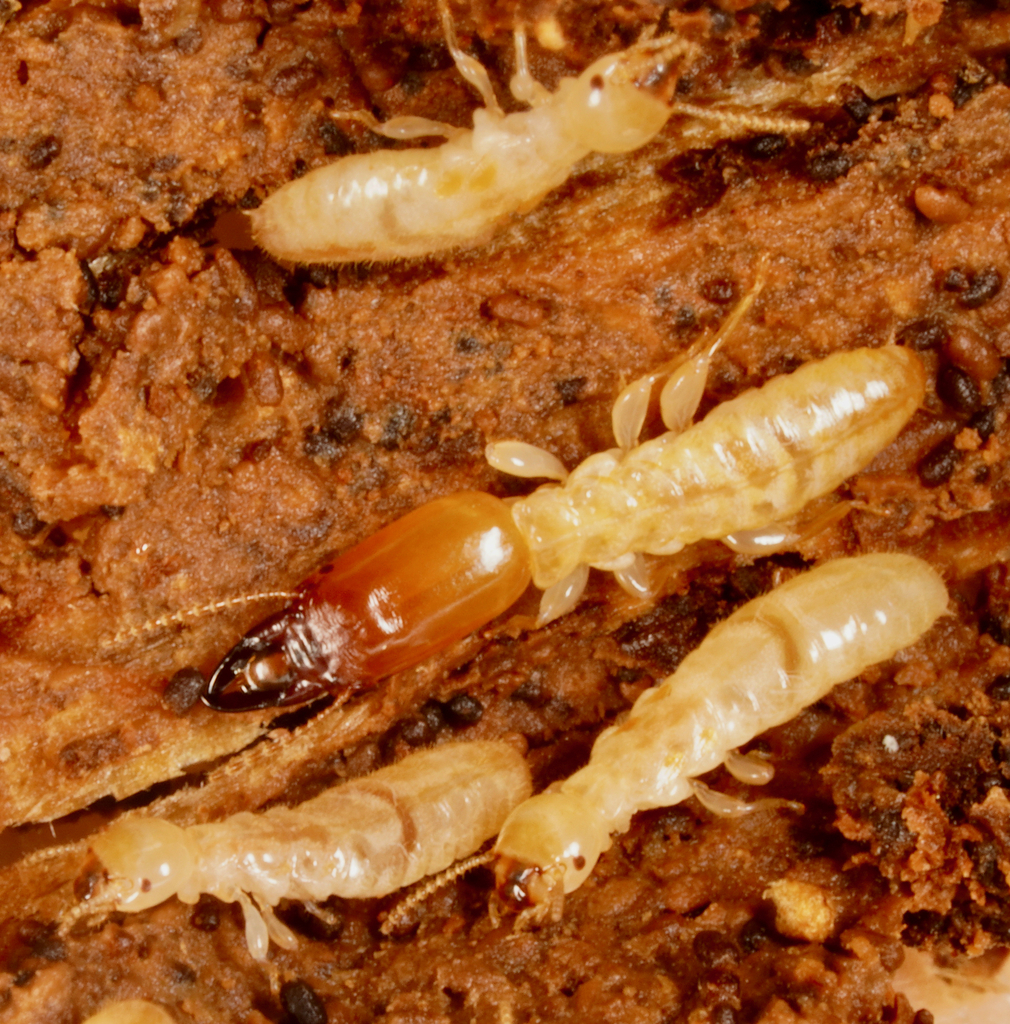
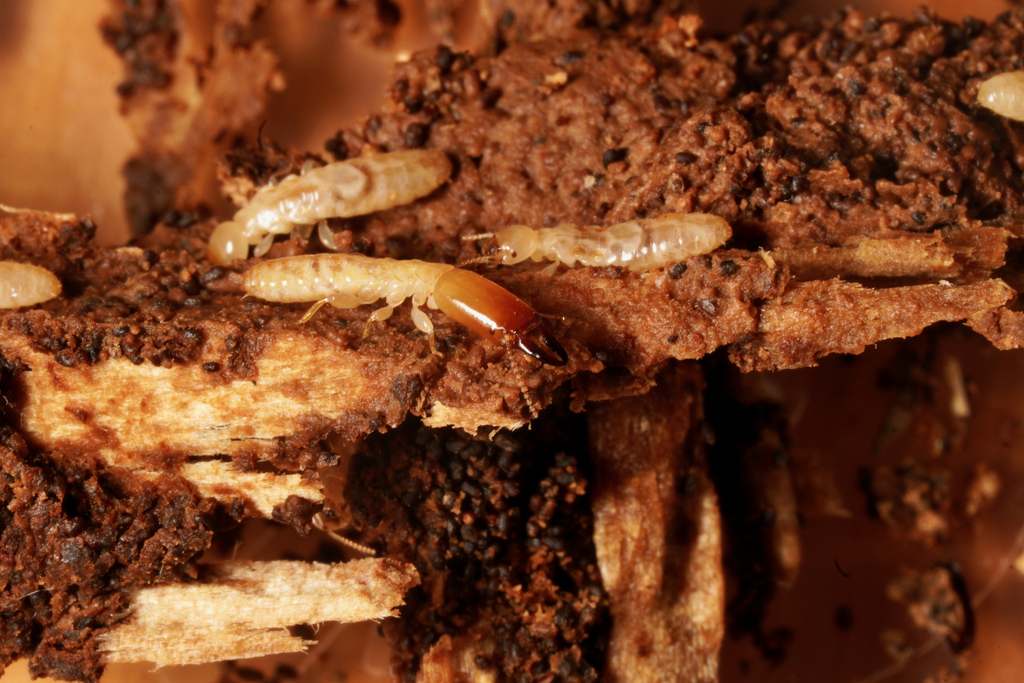
Photographs 34 photos · 2 species
Freely licensed photos; click to enlarge. This preview shows 6 photos; to browse by species, open “All photos”. Photos are hotlinked from iNaturalist / Wikimedia Commons; the rights stay with the photographers.
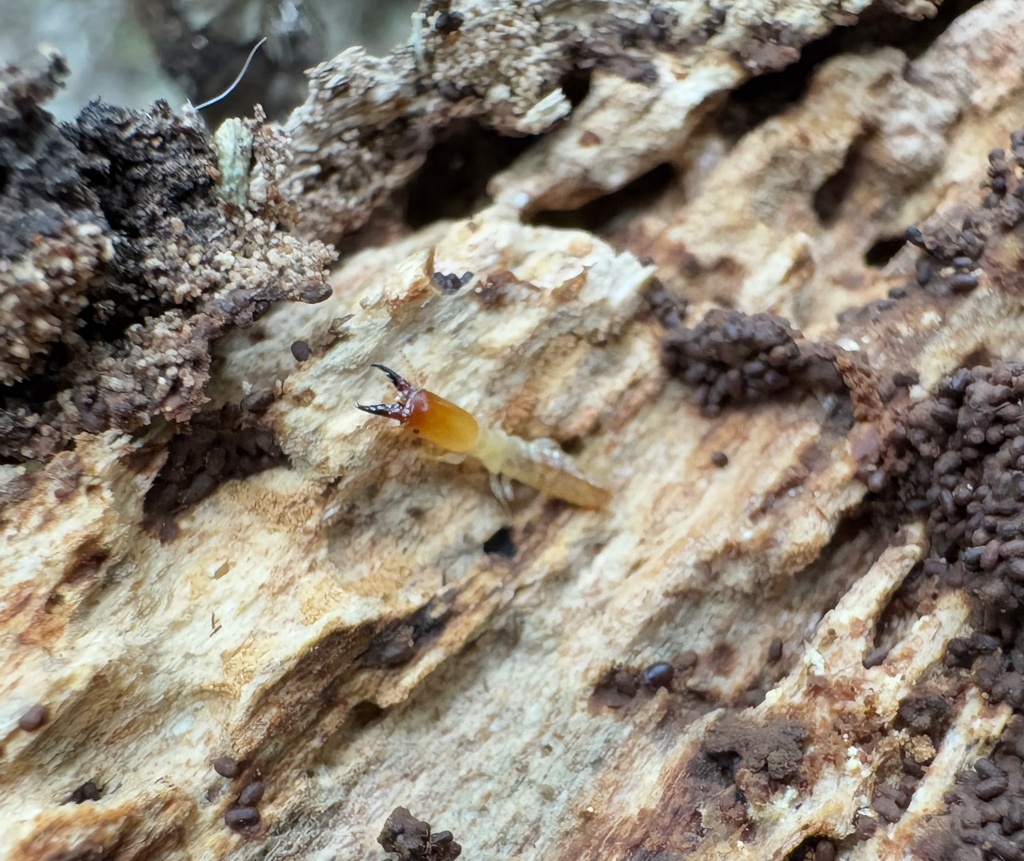
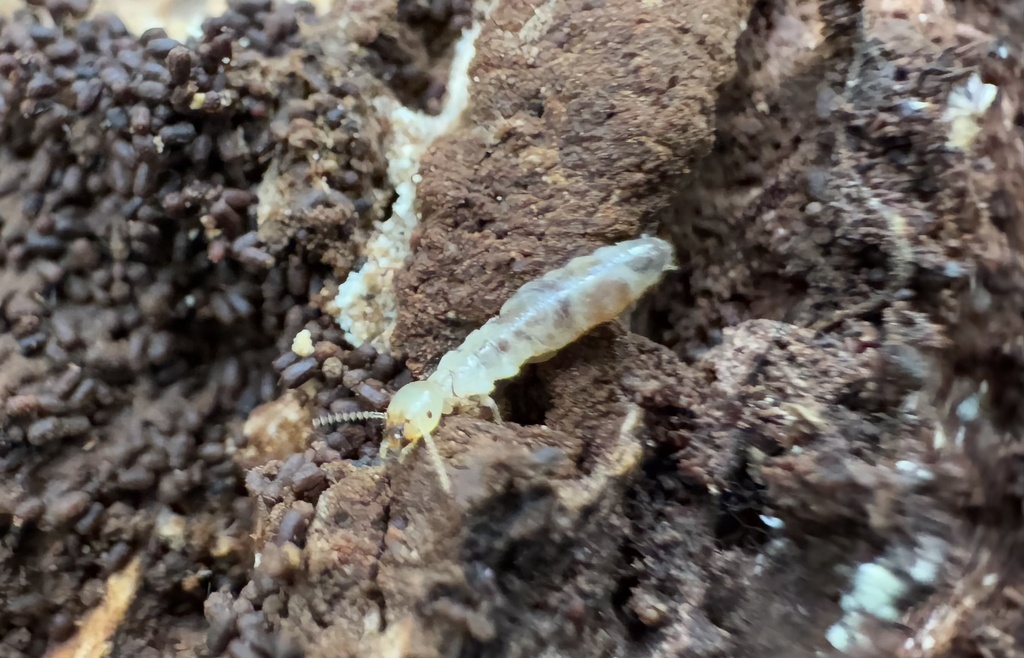
About the genus
This genus belongs to the family Stolotermitidae 胄白蚁科; the site records 7 species.
Type species: Stolotermes brunneicornis.
This page includes a distribution map for the genus (GBIF records aggregated on a 1° grid); open a species entry to see its type locality, distribution, and references.
Etymology
From Latin stolo (shoot, stolon) + termes.
The etymologies in this section are analytical breakdowns; the roots follow Brown (1956).
Morphology
The descriptions below are an adaptation of the original genus-level accounts; terms follow the meaning of the source, and the original is not transcribed verbatim.
Diagnostic characters
The original diagnosis was given for the subfamily and the genus combined (the genus was monotypic at the time, so the generic characters were the subfamily characters). Its most conspicuous feature is the degeneration of the ocelli; the mandibular pattern is clearly homologous with that of Archotermopsis, being intermediate in type between Archotermopsis and Hodotermopsis. Alates lack a fontanelle and an arolium, and the postclypeus is extremely short and fused with the frons; soldiers lack a frontal gland, the fore and mid tibiae bear 2–3 apical spurs and the hind tibia 2, and both sexes have a pair of styli.
Alate
Head, pronotum, wing scales and abdomen covered with fairly long hairs, the head less densely so; no fontanelle; epicranial suture present; ocelli degenerate; compound eyes medium-sized, oval, with a rather straight anterior margin, separated from the lower margin of the head by slightly more than half their length; postclypeus extremely short and fused with the frons, the boundary being a depression with no visible suture, about 5 times as wide as long; anteclypeus short, transparent; labrum tongue-shaped, with a rather straight apex; antennae 15–17-segmented; right mandible with 2 marginal teeth and a molar plate, the anterior part of the 1st marginal tooth bearing a small subsidiary tooth near its base; left mandible with 3 subequal marginal teeth, the 3rd separated from the other two by a wide-angled notch; pronotum much narrower than the head, rather flat, with a shallow longitudinal median depression and a shallow lateral depression on each side of the anterior margin, together forming a Y-shaped depression, the anterior margin evenly concave, the lateral margins slightly rounded, the posterior margin wider and slightly concave; tibial apical spurs 3:3:2 or 2:2:2; tarsi 4-segmented; no arolium; cerci 4–5-segmented; female without styli, the male styli reaching near the abdominal apex.
Soldier
Head, thorax and abdomen sparsely covered with hairs and longer setae; head proportionally large, elongate or oval, flat or rather flat, the anterior part evenly continuous with the vertex; epicranial suture present; no frontal gland; anterior part of the postmentum wide, its narrowest point less than half its greatest width; mandibles proportionally large, the left with 3 marginal teeth, 4 notches and a molar plate, the right with 2 marginal teeth, 3 notches and a molar plate, the 2nd marginal tooth with a long cutting edge bearing a point at each end; eyes distinct; antennae 14–18-segmented; labrum broadly tongue-shaped, the anterior margin straight or curved; postclypeus fused with the frons but the sutural depression still present; pronotum narrower than the head; tarsi 4-segmented, no arolium; femora swollen; fore and mid tibiae with 2–3 apical spurs, hind tibia with 2; both sexes with a pair of styli; cerci 4–5-segmented.
Sources: Emerson, A. E. 1942. The relations of a relict South African termite (Isoptera, Hodotermitidae, Stolotermes). American Museum Novitates 1187: 1–12., pp. 7–9 This text is an adaptation, not a verbatim transcription of the original.
Literature notes
Edited notes based on the original literature, not transcriptions. The source markers in each paragraph point to archived records in .sources; full citations are listed below.
A fossil species from the Early Miocene of New Zealand
According to the abstract of Kaulfuß et al. (2010), a forewing fossil from Early Miocene lacustrine deposits of Otago, South Island, New Zealand, shows that the genus Stolotermes was already present in New Zealand in the Early Miocene: the specimen has the diagnostic characters of Stolotermes but differs from living species in both size and venation, and was described as a new species of the genus with the epithet kupe (this fossil species is not included in the site's checklist).
References
Species (7)
- Stolotermes africanus Emerson, 1942 非洲胄白蚁
- Stolotermes australicus Mjöberg, 1920 澳大利亚胄白蚁
- Stolotermes brunneicornis Hagen, 1858 棕角胄白蚁 ★ Type species
- Stolotermes inopinus Gay, 1969 未料胄白蚁
- Stolotermes queenslandicus Mjöberg, 1920 昆士兰胄白蚁
- Stolotermes ruficeps Brauer, 1865 红头胄白蚁
- Stolotermes victoriensis Hill, 1921 维多利亚胄白蚁
Parent level: Checklist index · Stolotermitidae 胄白蚁科 · Data & downloads