Microhodotermes viator 旅游小草白蚁
- Type locality
- South Africa: Cape of Good Hope
- Distribution
- South Africa, Namibia
List: English (genus page) · 中文 · Español
Summary
Microhodotermes viator is a species and the type species of the genus Microhodotermes, in the family HODOTERMITIDAE. The species was described by Latreille in 1804; the type locality is South Africa: Cape of Good Hope. Distribution: South Africa, Namibia. This site records 6 junior synonyms for the species.
Etymology
Genus name Microhodotermes: From Greek mikros (small) + hodos (path) + Latin termes.
Specific epithet viator: Latin viator (traveller)
Taxonomic position
- Family: HODOTERMITIDAE — 3 genera, 21 species
- Genus: Microhodotermes — 3 species
Distribution
- Distribution records: South Africa, Namibia
The record above follows the wording of the original data; no geocoding or standardized place names have been applied.
Junior synonyms
This site records 6 junior synonyms for the species, listed by their original literature source:
- Hodotermes aurivillii Sjöstedt, 1900: 278 — type locality: South Africa: Cape Province [W. Capland]: Darling
- Hodotermes (Hodotermes) silvestrii Fuller, 1921: 40 — type locality: South Africa: Cape Province: Namaqualand-Bushmanland
- Hodotermes (Hodotermes) thomseni Fuller, 1921: 39 — type locality: South Africa: Cape Province: Beaufort West, Kraanvogelkuil
- Hodotermes (Hodotermes) peringueyi Fuller, 1921: 39 — type locality: South Africa: Cape Province: Peddie
- Hodotermes (Hodotermes) faurei Fuller, 1921: 40 — type locality: South Africa: Cape Province: Victoria West
- Hodotermes viator hageni Fuller, 1921: 38-39 — type locality: South Africa: Cape Province: Elsenburg
In older literature, regional checklists and database searches, this species may appear under the synonyms above (Hodotermes aurivillii, Hodotermes (Hodotermes) silvestrii, Hodotermes (Hodotermes) thomseni, Hodotermes (Hodotermes) peringueyi, Hodotermes (Hodotermes) faurei, Hodotermes viator hageni); this site treats them all under Microhodotermes viator.
Morphology
A species-level description from the original literature has not yet been compiled for this page. Original description: Latreille, 1804. See the genus page for the genus-level description; this page will be updated after the original text is checked.
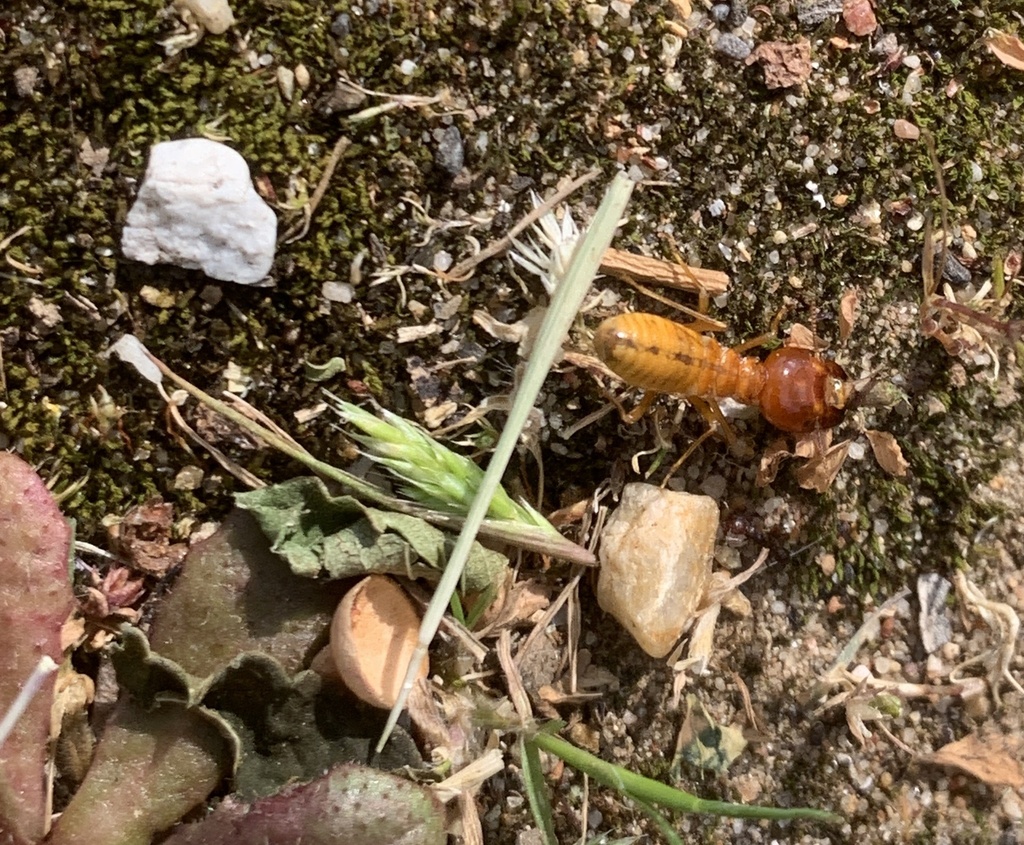
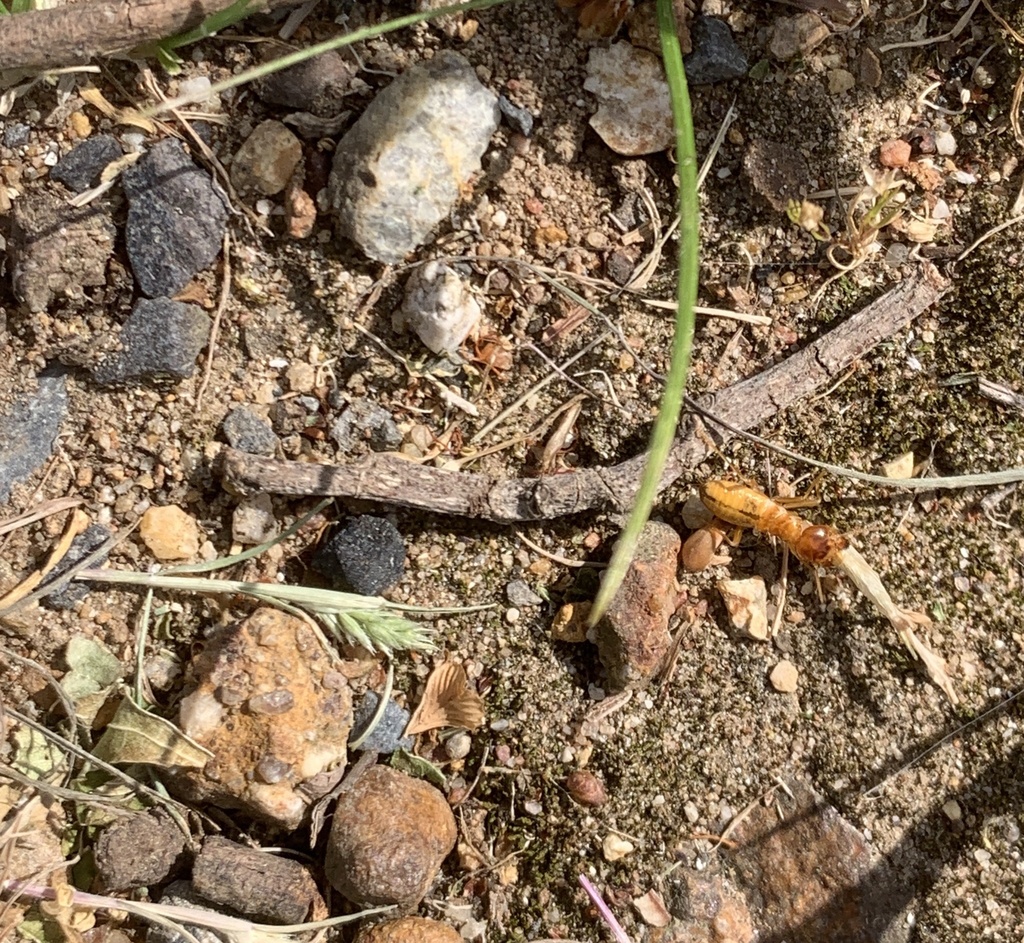
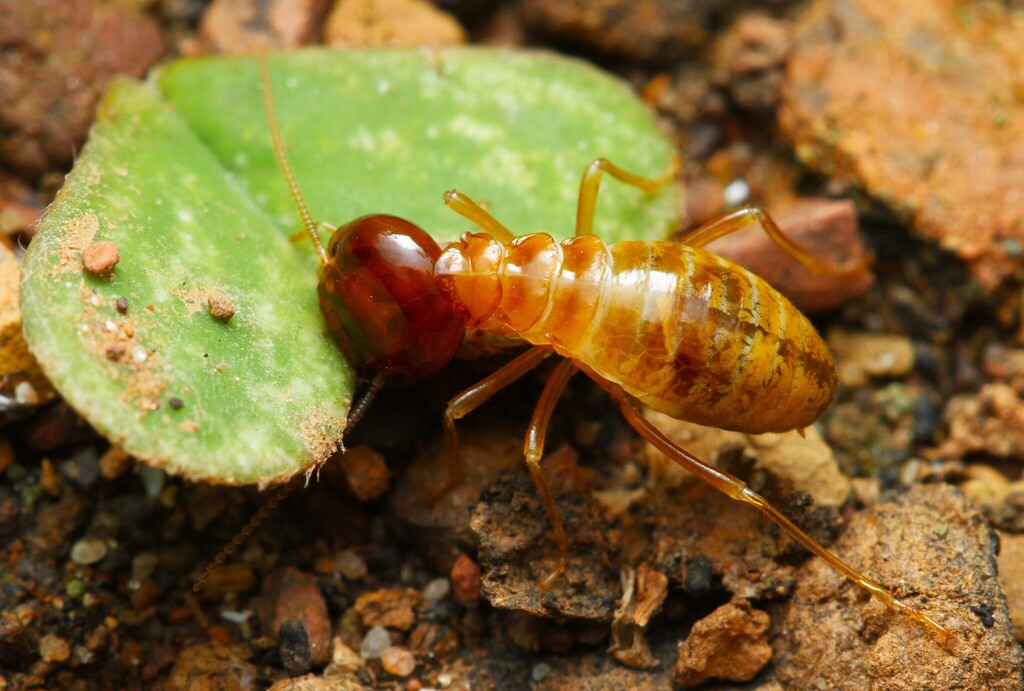
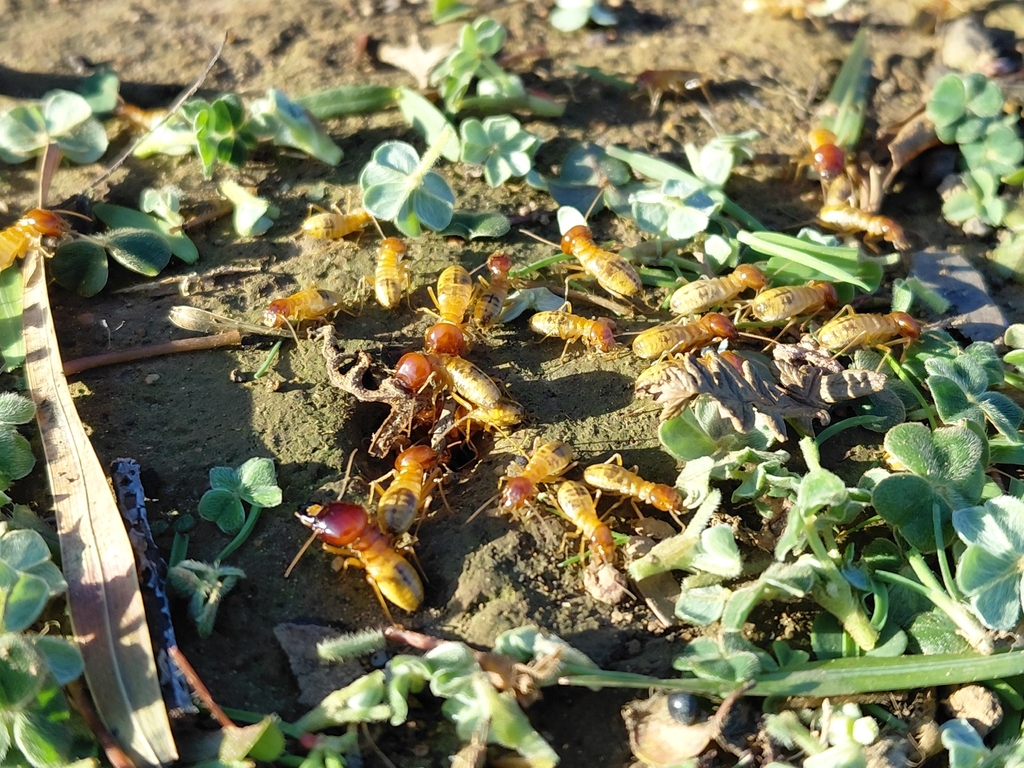
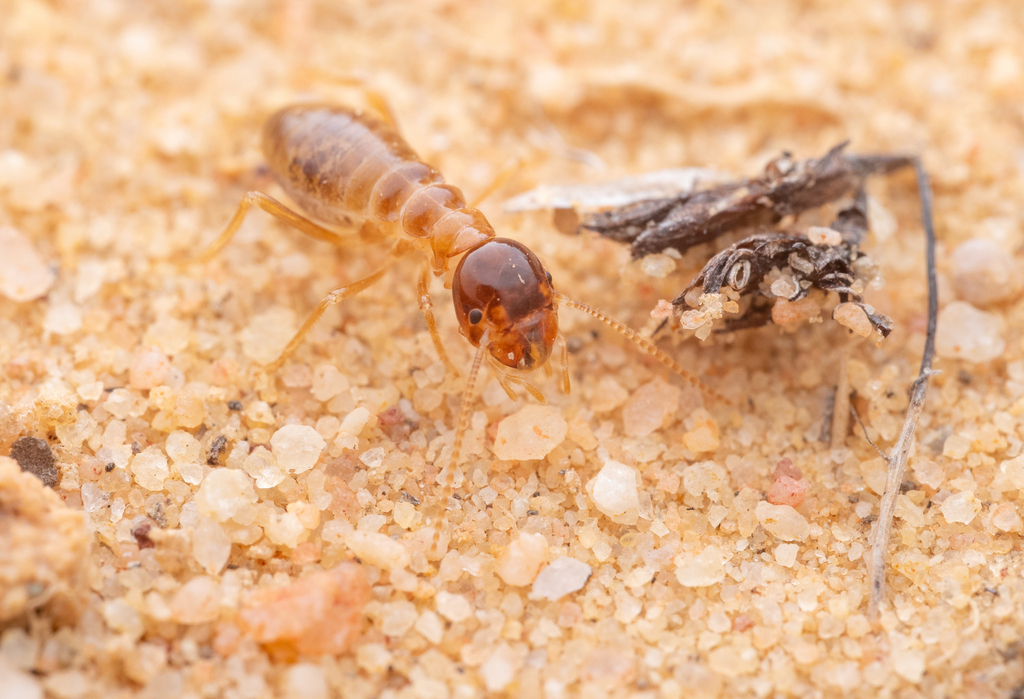
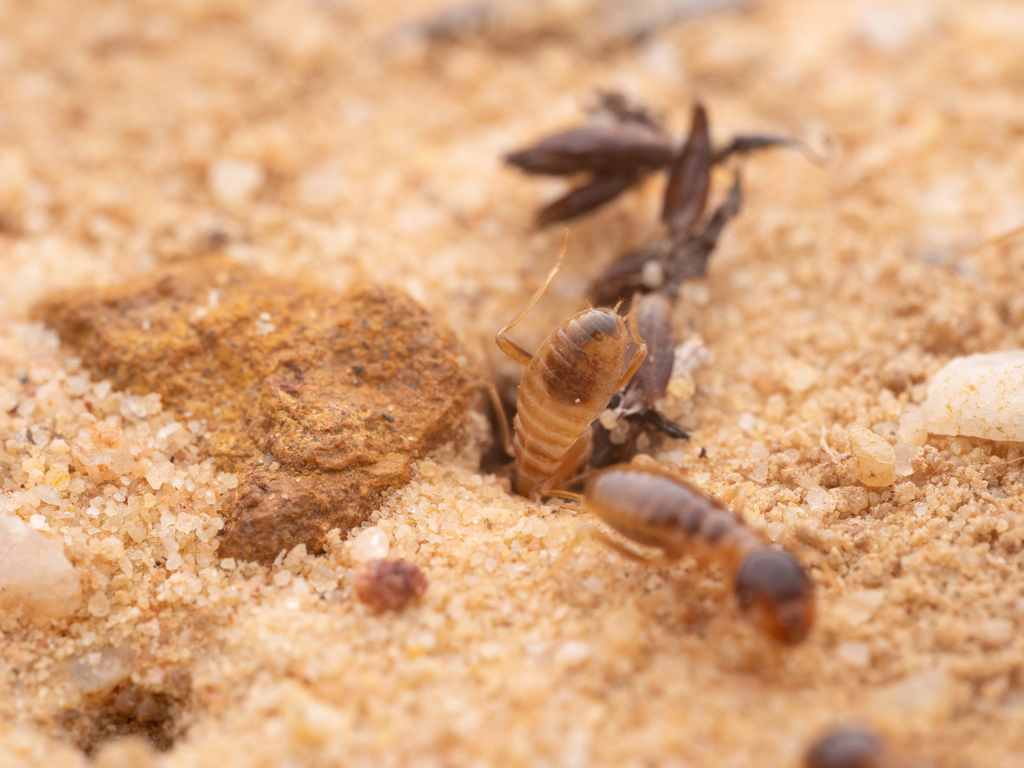
Photos 120 photos
Freely licensed photos, click to enlarge. Hotlinked from iNaturalist / Wikimedia Commons; the rights stay with the photographers — author, licence and source page are shown under each photo. Only the first 6 are shown here; the rest are under “All photos” at the end of the page.
Distribution map
Aggregated from GBIF occurrence records on a 1° grid; only extant taxa of this checklist are used, so fossil records are excluded. Dot size and shade show the number of records inside a cell.
Related papers
Cached papers for this genus (matched automatically, for reference); to search this species with its junior synonyms merged in, use the literature search.
- Unpredictable foraging behaviour in Microhodotermes viator (Isoptera: Hodotermitidae): an antipredator tactic?
Abstract
- Calcite accumulation in a South African heuweltjie: Role of the termite Microhodotermes viator and oribatid mites
Abstract
- The present and likely past climatic distribution of the termite Microhodotermes viator in relation to the distribution of heuweltjies
Abstract
Papers on this species, synonyms included → OpenAlex Google Scholar CNKI
Abstracts come from open metadata; copyright remains with the original authors/publishers. For reference only — please check the original.
Literature notes
Edited notes based on the original literature, not transcriptions. The source markers in each paragraph point to archived records in .sources; full citations are listed below.
Mound density in relation to rainfall and vegetative productivity
According to the abstract, Picker et al. (2006) recorded the mound density of Microhodotermes viator at 34 sites and in 10 vegetation types in the Succulent Karoo, Nama-Karoo and Fynbos of South Africa, obtaining 143–704 mounds per km² with a mean of 297; when all sites were pooled, density showed no significant relationship with temperature, altitude, rainfall or NDVI, but after excluding Fynbos and 5 Coastal Renosterveld sites with annual rainfall >350 mm, density was significantly correlated with rainfall and NDVI; on high-fertility soils rainfall was significantly correlated with density, whereas on low-fertility soils it was not. The authors concluded that these heuweltjies (mounds) were built by extant Microhodotermes viator rather than by extinct termites.
References
Other species in Microhodotermes (2 species)
Cite this species
Citation strings are generated from the fields of this page; please keep the DOI and the version number when citing.
GB/T 7714
班奈特格林. Extant Isoptera (termites): a checklist of Latin and Chinese names: Microhodotermes viator 旅游小草白蚁[EB/OL]. Version 2026.10.30. https://termite-extant-isoptera.org/en/species/microhodotermes-viator/. DOI: 10.5281/zenodo.23646836.
BibTeX
@misc{isoptera_microhodotermes_viator_2026,
  author       = {班奈特格林},
  title        = {Microhodotermes viator: a checklist of extant Isoptera (termites)},
  year         = {2026},
  version      = {2026.10.30},
  howpublished = {https://termite-extant-isoptera.org/en/species/microhodotermes-viator/},
  note         = {HODOTERMITIDAE; version 2026.10.30; DOI: 10.5281/zenodo.23646836},
  doi          = {10.5281/zenodo.23646836}
}
RIS
TY  - ELEC
TI  - Microhodotermes viator: a checklist of extant Isoptera (termites)
AU  - 班奈特格林
PY  - 2026
UR  - https://termite-extant-isoptera.org/en/species/microhodotermes-viator/
DO  - 10.5281/zenodo.23646836
ER  -