Family Hodotermitidae · 草白蚁科
Filter the taxa recorded under this family by name and locality; for the whole site use the full-text search.
Distribution map
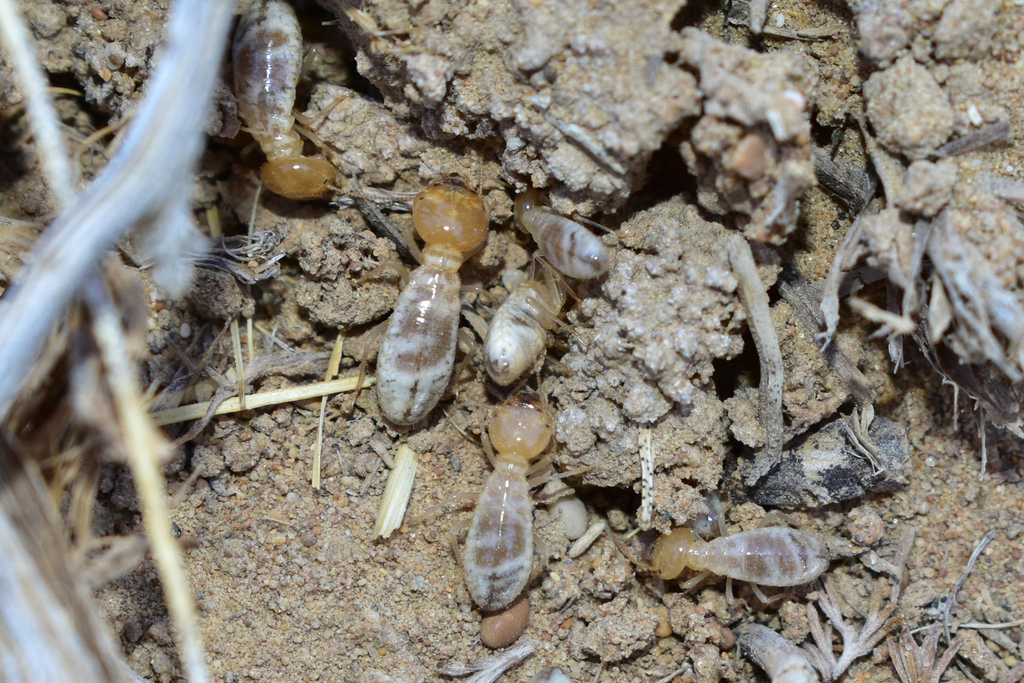
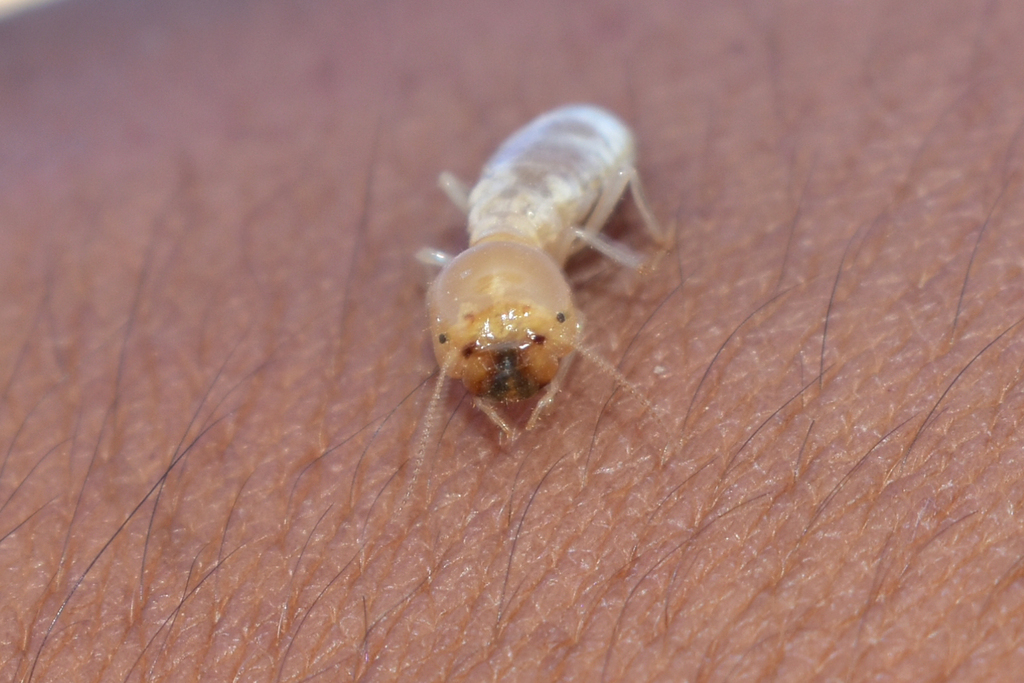
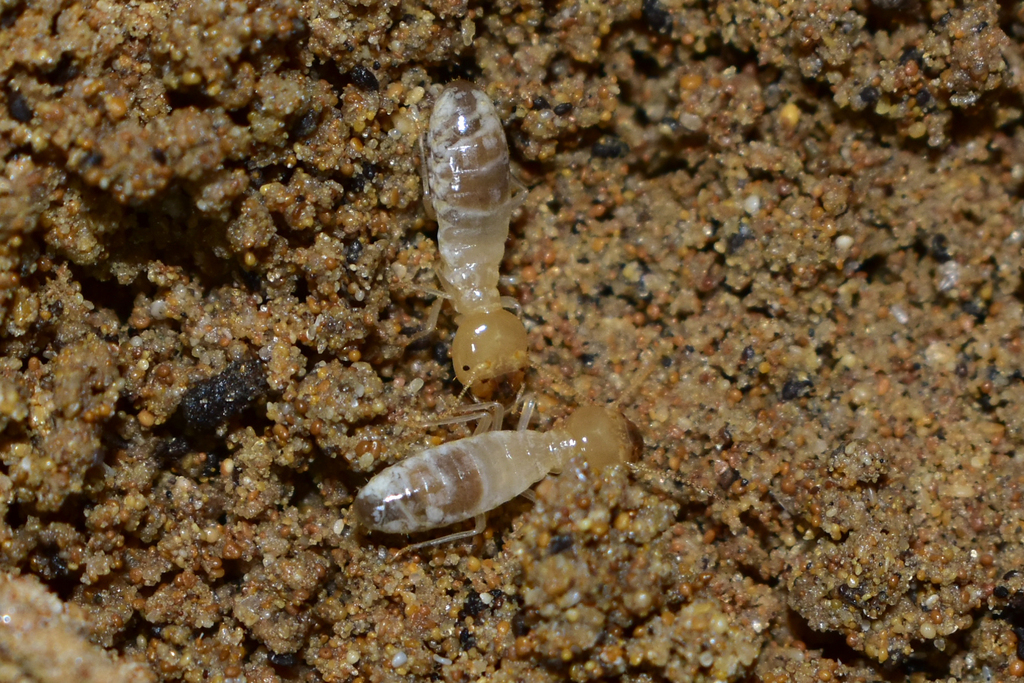
Photographs 316 photos · 7 species
Freely licensed photos; click to enlarge. This preview shows 6 photos; to browse by species, open “All photos”. Photos are hotlinked from iNaturalist / Wikimedia Commons; the rights stay with the photographers.
About the family
The family Hodotermitidae was established by Desneux in 1904 (Desneux, 1904: 284)(1), with the type genus Hodotermes Hagen, 1853. The family name derives from the type genus: Hodotermes is formed from the Greek hodos (road, wandering) and termes, referring to its habit of foraging above ground. This checklist includes 3 genera and 21 species.
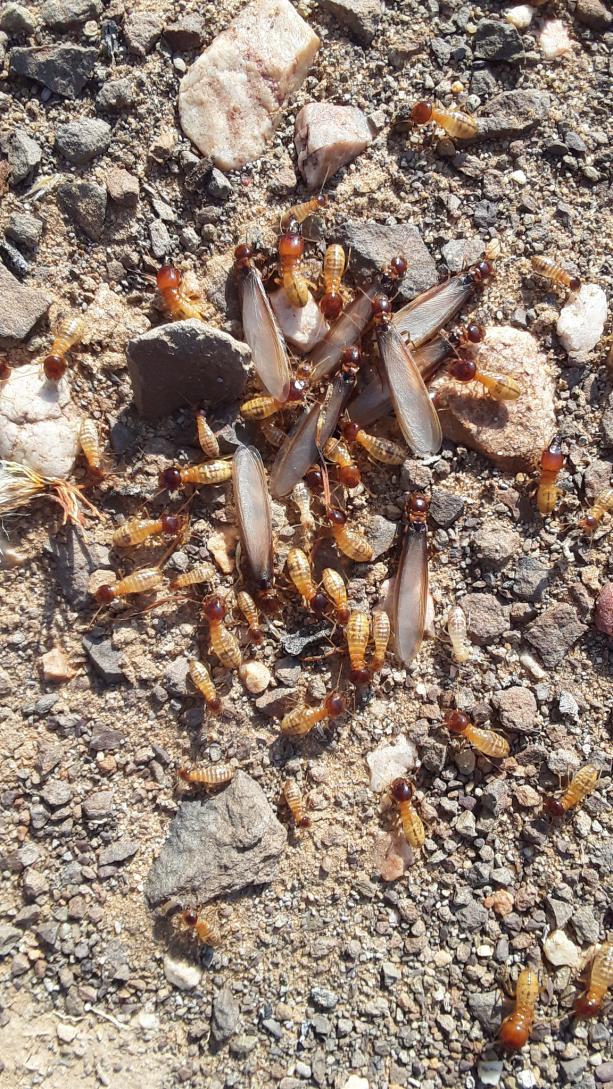
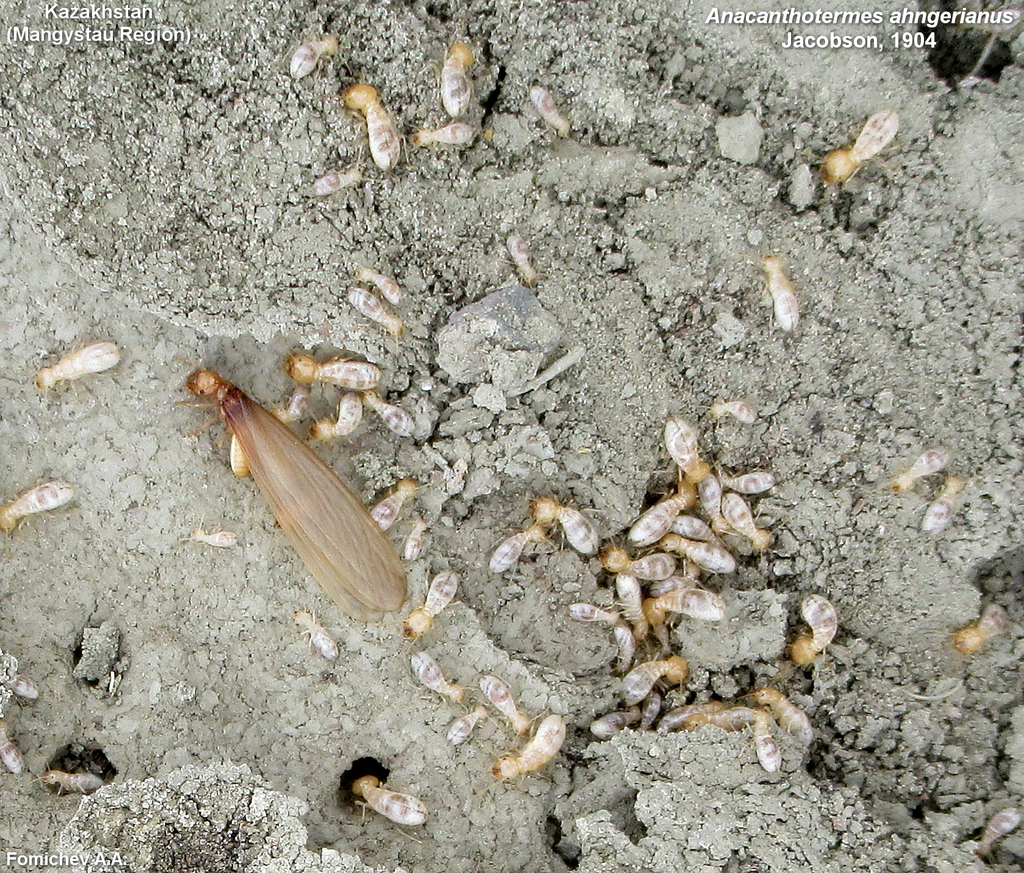
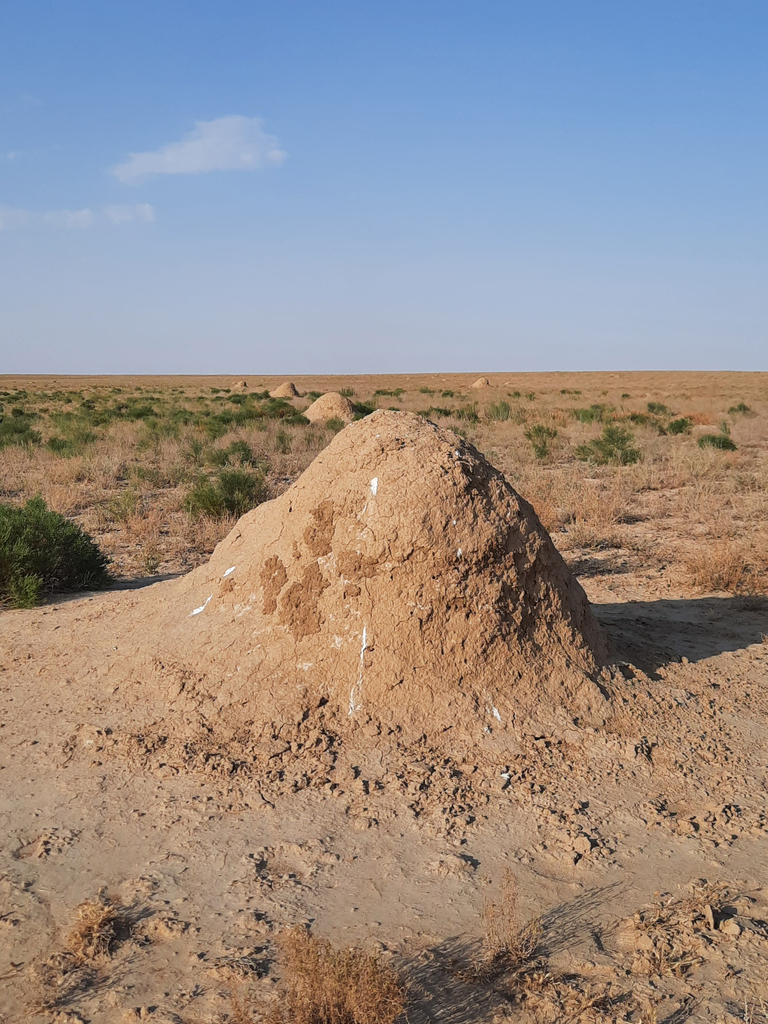
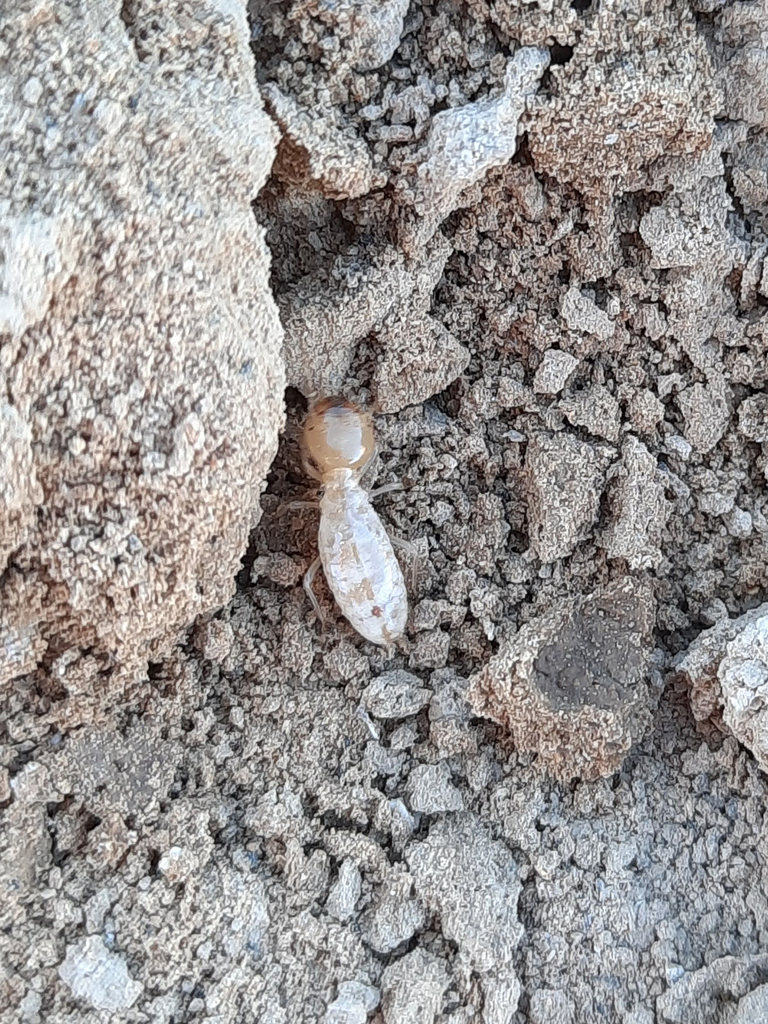
This family comprises the “harvester” termites endemic to the arid zones of the Afrotropical and Palaearctic realms, with the three genera roughly partitioned as follows: Hodotermes Hagen, 1853 is distributed in southern and eastern Africa; Microhodotermes Sjöstedt, 1926 spans South Africa, Namibia and North Africa; Anacanthotermes Jacobson, 1905 is distributed in the deserts(7) and semi-deserts of North Africa, the Arabian Peninsula, the Middle East to Central Asia, and South Asia. Unlike most termites, both the workers and adults of this family have well-developed compound eyes; they forage openly on the ground at night or at dawn and dusk, feeding on grasses, dry grass and plant stems and leaves, with the serrated inner margins of the mandibles suited to cutting grass stems. They nest underground, connected by complex tunnel networks, and some species build low mounds. The soldiers of this family lack a fontanelle; the head capsule is subcircular to oval, strongly sclerotized and dark in color, with short, stout mandibles whose apical halves are strongly incurved. The large workers have a very large, flattened head (seen only in Hodotermes); the winged adults have ocelli. Economically, hodotermitids consume forage in African rangelands and their mounds interfere with farm machinery(8), and a few species feed on crops in agricultural areas. Among them, Anacanthotermes turkestanicus is a serious pest of the wooden components of dwellings and historic buildings in Central Asia(9), and Microhodotermes viator damages rangeland forage in the Karoo of South Africa(10).
This section is the standing account the site maintains for this rank and is updated on this page as the classification is revised; the checklist index is in the Checklist.
Genera (3)
- Anacanthotermes 无刺白蚁属 16 species
- Hodotermes 草白蚁属 2 species
- Microhodotermes 小草白蚁属 3 species
Parent level: Checklist index · Data & downloads