Genus Hodotermes · 草白蚁属
Filter the taxa recorded under this genus by name and locality; for the whole site use the full-text search.
Distribution map
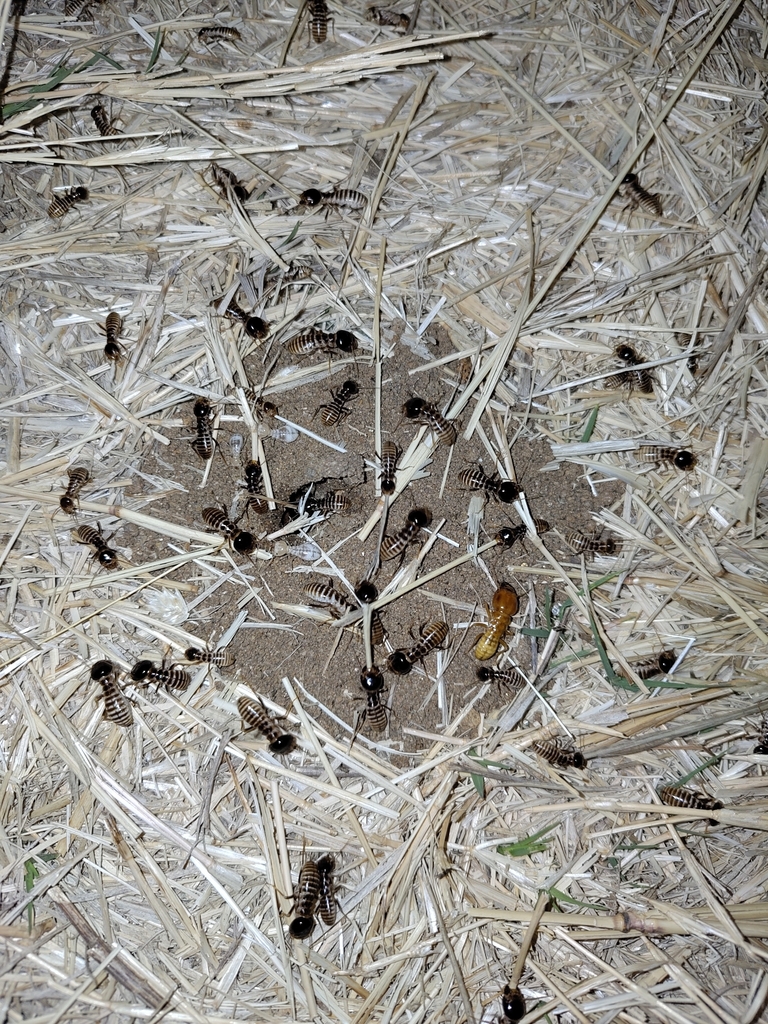
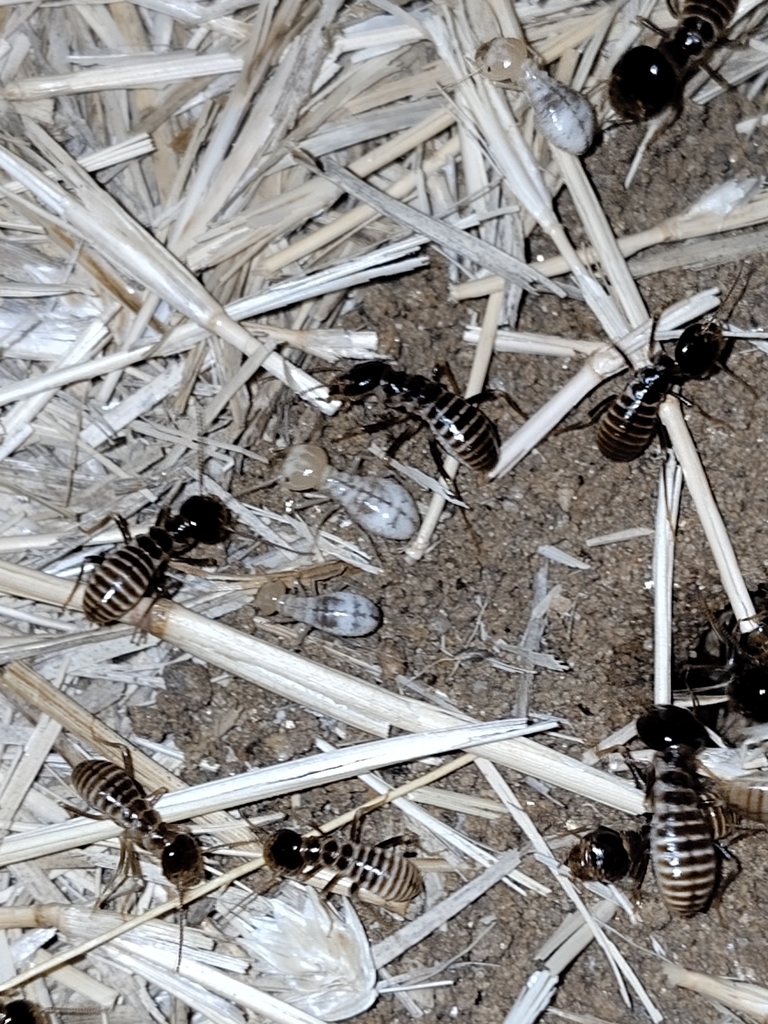
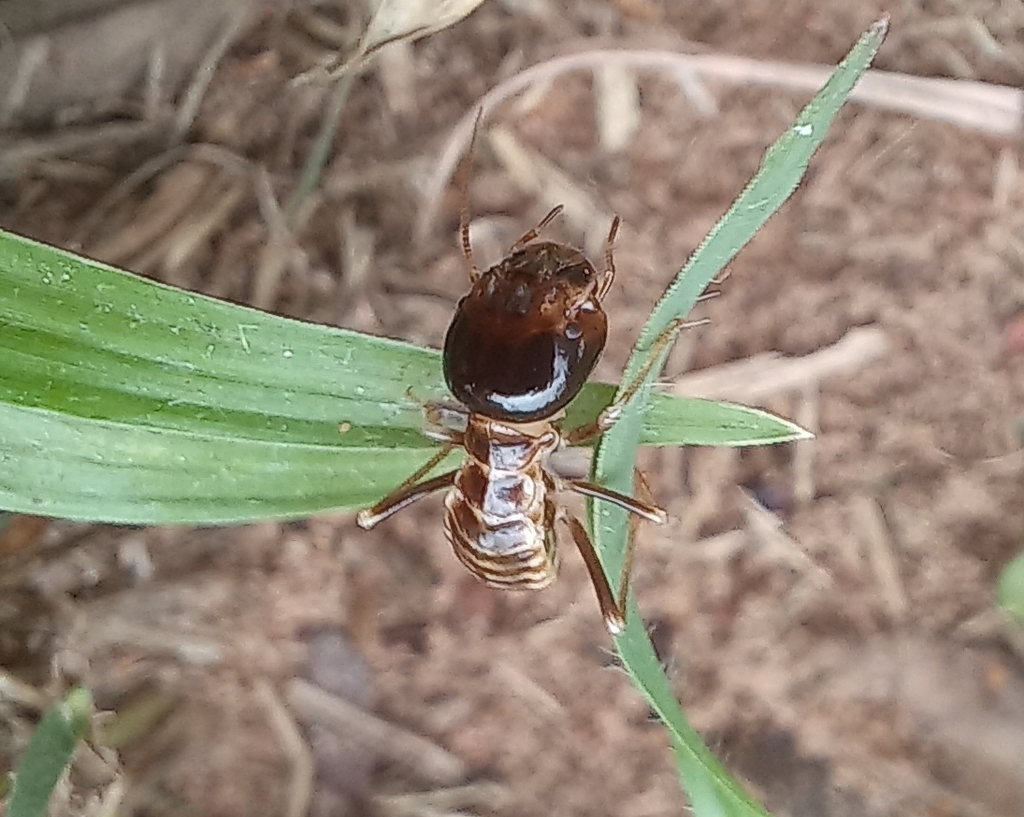
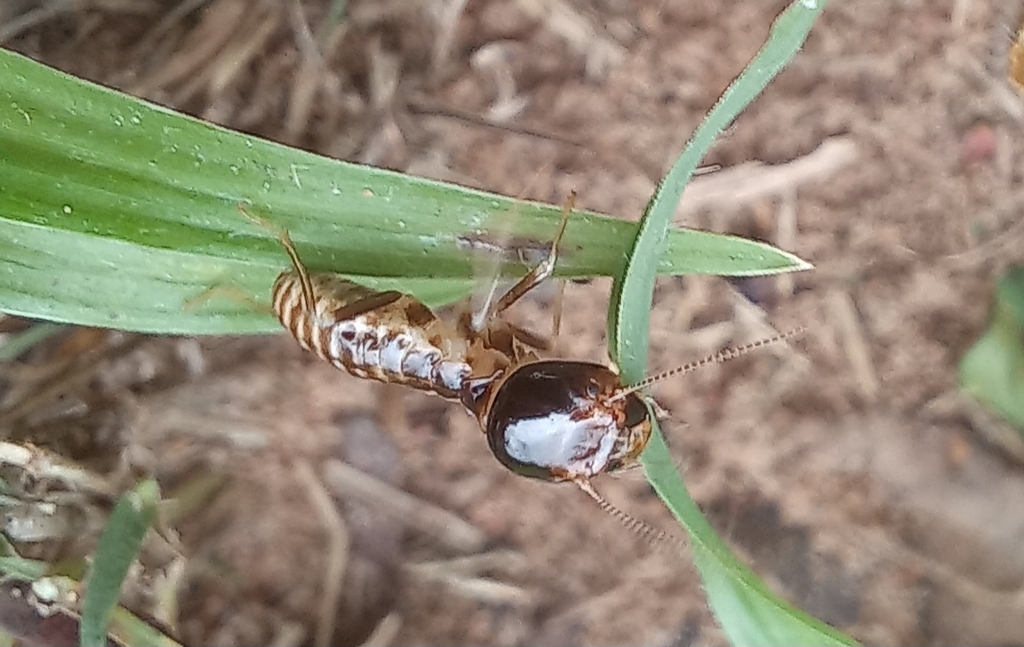
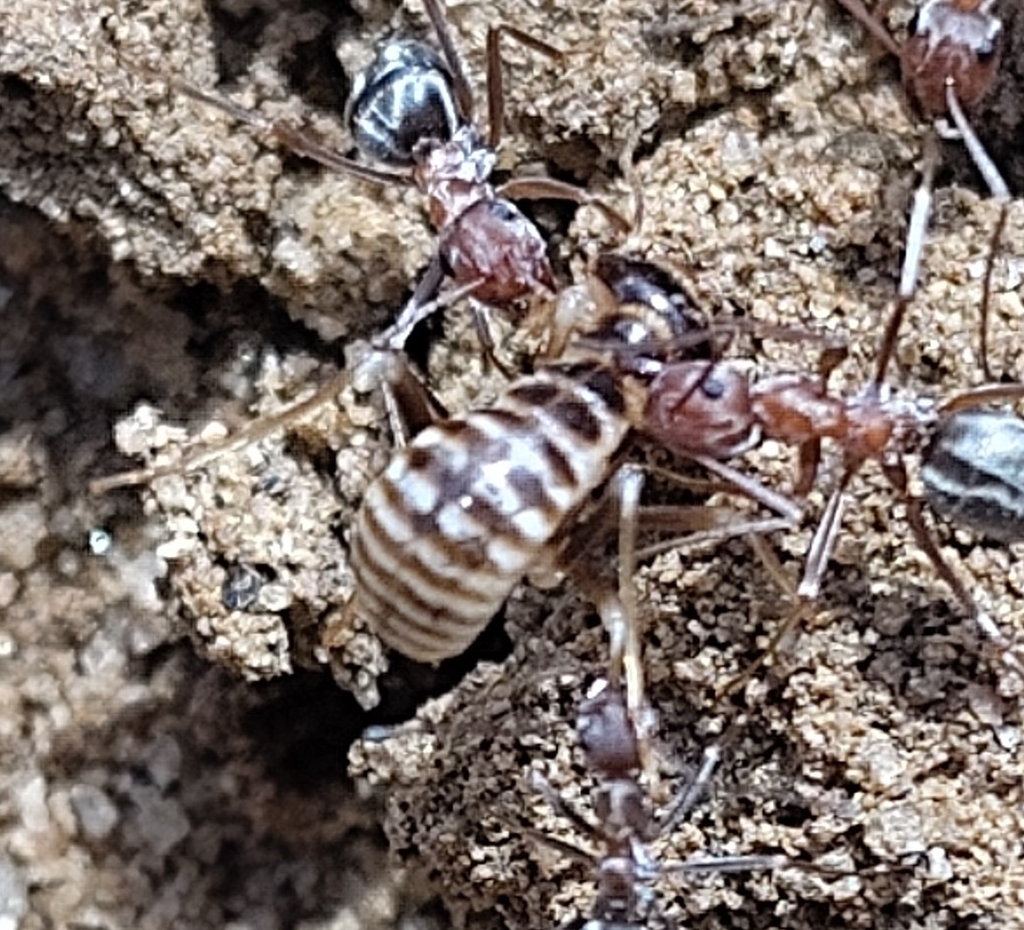
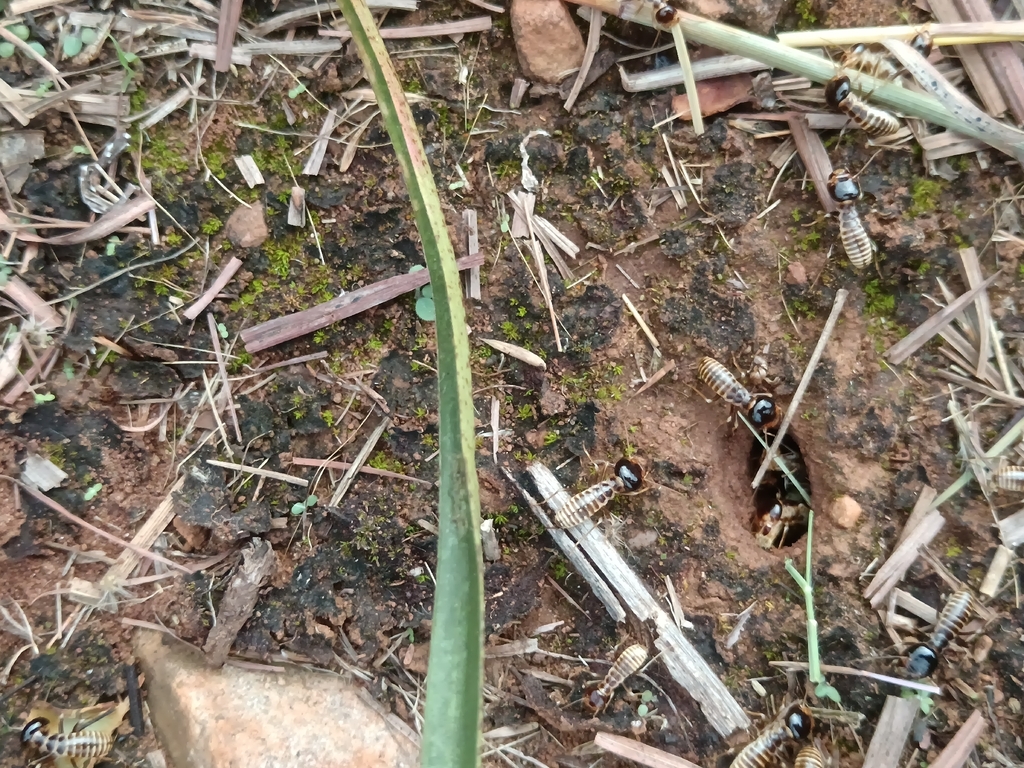
Photographs 120 photos · 1 species
Freely licensed photos; click to enlarge. This preview shows 6 photos; to browse by species, open “All photos”. Photos are hotlinked from iNaturalist / Wikimedia Commons; the rights stay with the photographers.
About the genus
This genus belongs to the family Hodotermitidae 草白蚁科; the site records 2 species.
Type species: Hodotermes mossambicus.
This page includes a distribution map for the genus (GBIF records aggregated on a 1° grid); open a species entry to see its type locality, distribution, and references.
Etymology
From Greek hodos (way, path) + Latin termes.
The etymologies in this section are analytical breakdowns; the roots follow Brown (1956).
Morphology
The descriptions below are an adaptation of the original genus-level accounts; terms follow the meaning of the source, and the original is not transcribed verbatim.
Diagnostic characters
Soldier and worker both with distinct black compound eyes (rare among termites and a striking hallmark of the genus); head capsule without a fontanelle pore. Alate antennae 23–30-segmented, ocelli reduced to a yellow spot beside the eye, pronotum small and nearly heart-shaped, the pulvillus (Haftlappen) absent.
Alate
Head large and round, the epistome not swollen, compound eyes flattened, not strongly protruding, ocelli represented only by a yellow spot beside the eye; antennae 23–30-segmented, the basal segments very small and spherical, becoming progressively longer outwards; no fontanelle pit; pronotum not rectangular, slightly heart-shaped, saddle-shaped, the posterior margins of the mesonotum and metanotum concave but not forming two sharp projections; the costal area of the forewing with veins, the subcosta crossing the costal area in several branches, the media and submedia of the forewing arising separately from the base of the scale; wing membrane traversed by numerous fine irregular branches; first tarsomere longer than the next two combined; cerci (anal appendages) present in both sexes.
Soldier
Distinct black compound eyes always present. Head large, somewhat round, square or short rectangular, pale to dark yellow-red, without a fontanelle cavity; mandibles shorter than the head, very robust, the inner margin always with distinct teeth (left mandible with more teeth than the right), the apices incurved; labrum short and broad; antennae 27–30-segmented (Wasmann recorded 21–27 segments); pronotum slightly heart-shaped (not transversely rectangular), saddle-shaped, the anterior angles bent downwards, concave and slightly projecting; the meso- and metathorax as wide as the pronotum, rather flat, rectangular, the lateral margins rounded, thin and upturned, wider than the abdomen; the apical tarsomere as long as the remaining segments combined; head and body glossy as if lacquered.
Worker
Distinct black compound eyes always present. Head yellow to yellow-red, round; epistome narrow; the first two mandibular teeth small and equal; antennae 24–32-segmented; thorax much narrower than head and abdomen, clearly differentiated from the abdominal segments; the meso- and metathorax widening posteriorly; the apical tarsomere as long as the remaining segments combined.
Sources: Sjöstedt Y. 1900. Monographie der Termiten Afrikas. Kungliga Svenska Vetenskaps-Akademiens Handlingar 34(4): 1–187., pp. 22–23 This text is an adaptation, not a verbatim transcription of the original.
Species (2)
Parent level: Checklist index · Hodotermitidae 草白蚁科 · Data & downloads