Paraneotermes simplicicornis 简角近新白蚁
- Type locality
- United States: Texas: Laguna, on the Neuces River
- Distribution
- North America, United States, Mexico
List: English (genus page) · 中文 · Español
Summary
Paraneotermes simplicicornis is the only extant species of the genus Paraneotermes, in the family KALOTERMITIDAE. The species was described by Banks in 1920; the type locality is United States: Texas: Laguna, on the Neuces River. Distribution: North America, United States, Mexico. This site records 1 junior synonym for the species.
Etymology
Genus name Paraneotermes: From Greek para- (near) + neos (new) + Latin termes.
Specific epithet simplicicornis: Latin simplex (simple) + cornu (horn), simple-horned
Taxonomic position
- Family: KALOTERMITIDAE — 23 genera, 480 species
- Genus: Paraneotermes — monotypic, 1 species
Distribution
- Distribution records: North America, United States, Mexico
The record above follows the wording of the original data; no geocoding or standardized place names have been applied.
Junior synonyms
This site records 1 junior synonym for the species, listed by its original literature source:
- Cryptotermes infumatus Banks, 1920: 38-39 — type locality: United States: Texas: Cotula
In older literature, regional checklists and database searches, this species may appear under the synonym Cryptotermes infumatus; this site treats it under Paraneotermes simplicicornis.
Morphology
The description below is paraphrased from the original or a later revision, by caste; the source is cited at the end.
Diagnostic characters
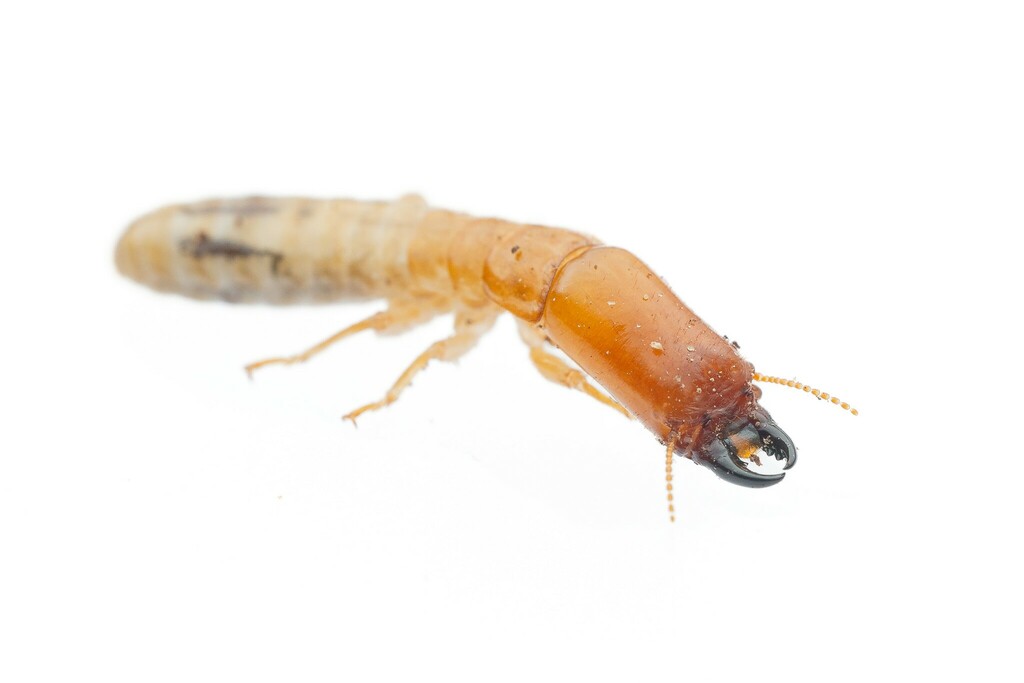
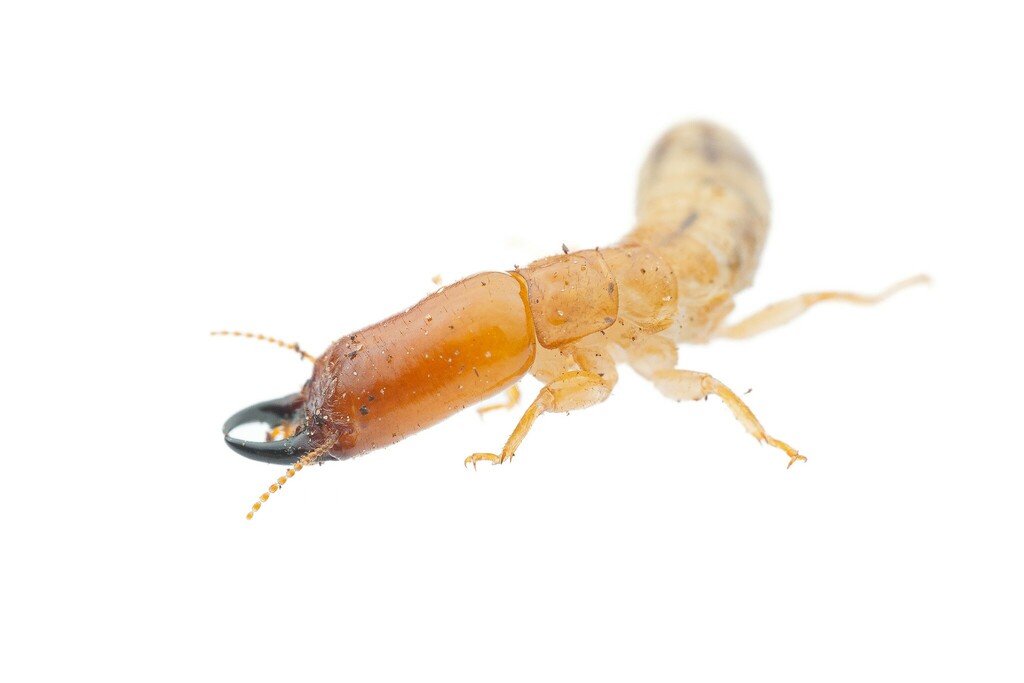
The alate has a distinct obtuse flexure on the posterior margins of marginal teeth 1 and 2 of the left mandible, and the arolium is absent; the soldier mandibles are relatively short for the head length and stout, which distinguishes it from Comatermes and Ceratokalotermes (see their respective entries).
Alate
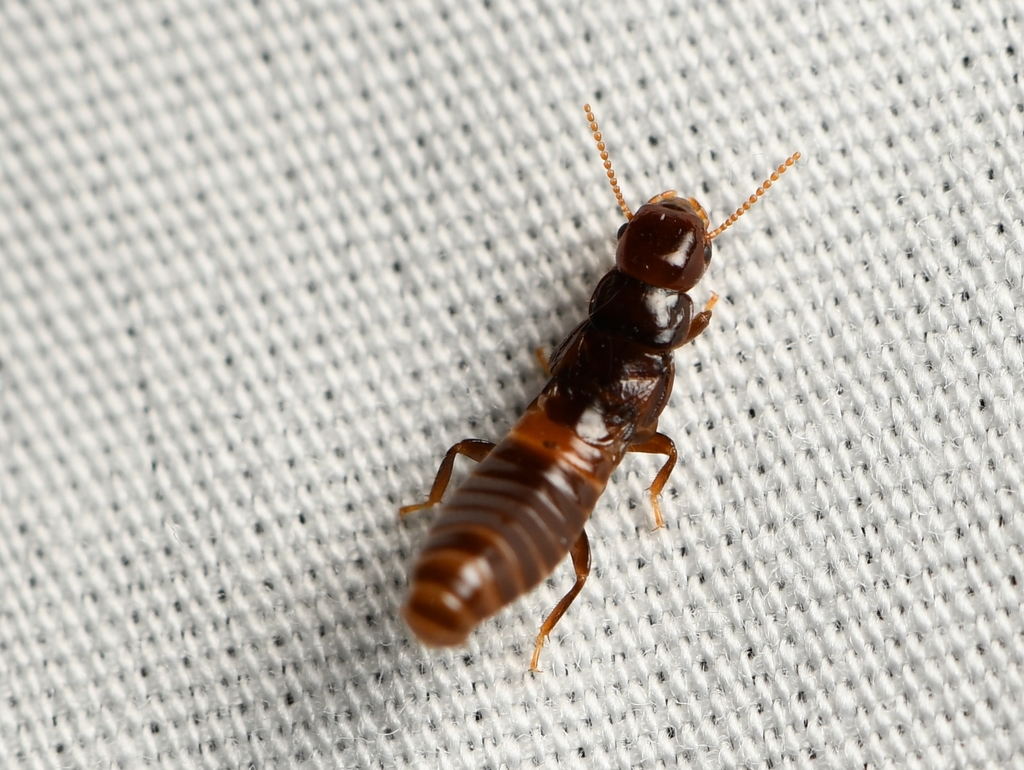
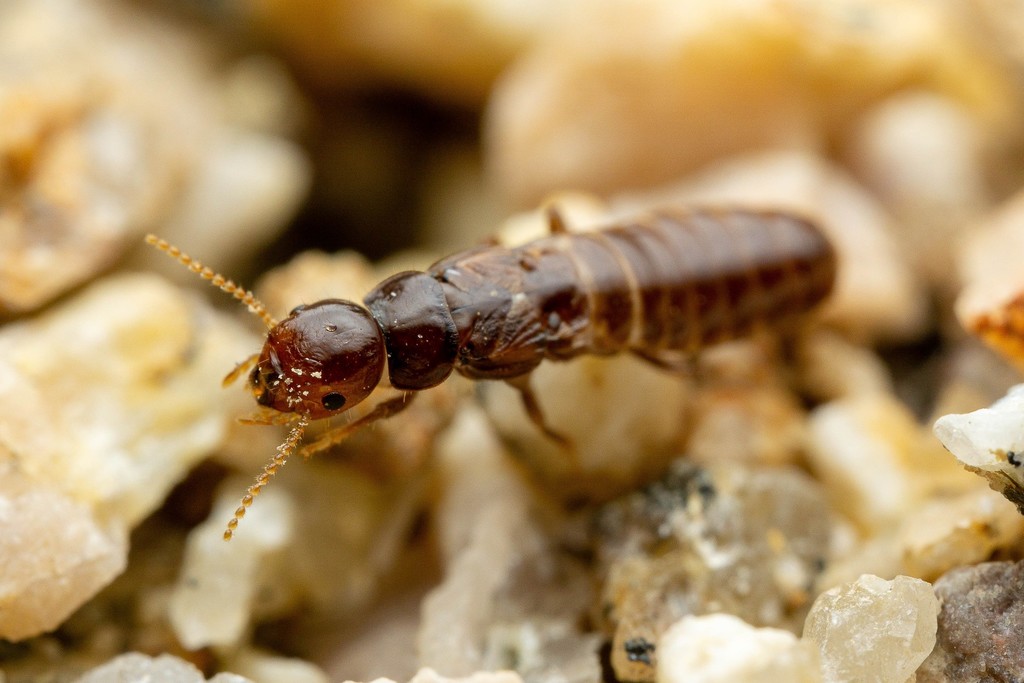
Dark smoky brown; eye small, about 0.28 mm in diameter, the ocellus about 0.02 mm from the compound eye; antennal segments 14–15; marginal teeth 1 and 2 of the left mandible broader at the base than marginal tooth 3, their posterior margins slightly longer than the anterior margin of marginal tooth 3, with an obtuse flexure about 1/4 from the tip; the molar plate of the right mandible nearly as long as the posterior margin of marginal tooth 2; pronotum slightly broader than the head, the anterior margin broadly and shallowly concave; radial sector with 6–7 branches; media paler than the radial sector and weakly sclerotised; arolium absent.
Soldier
Head long, flattened dorsoventrally; frons slightly concave along the mid-line, sloping down to the clypeus at about 35°; eye colourless; antennal segments 13–15, the third as long as the second; mandibles relatively short for the head length and stout, with a basal boss; anterior part of the postmentum very broad; pronotum as broad as the head, the anterior margin broadly concave; femora distinctly inflated.
This genus is monotypic, containing only this species; the following is the genus-level description based on the original literature; species-level measurements and intraspecific variation are given in the original.
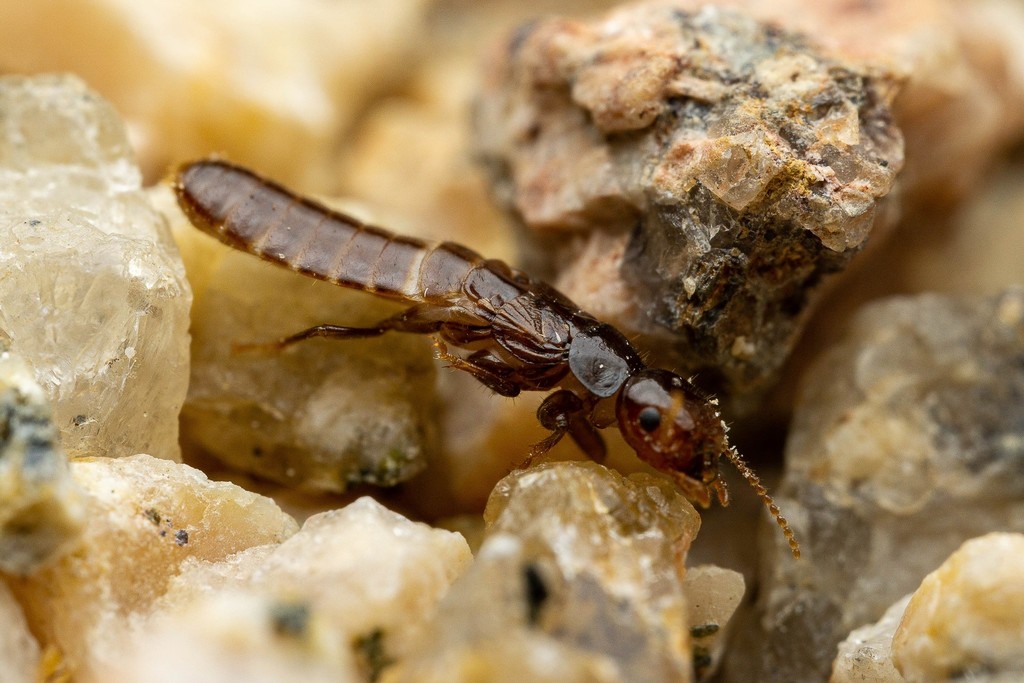
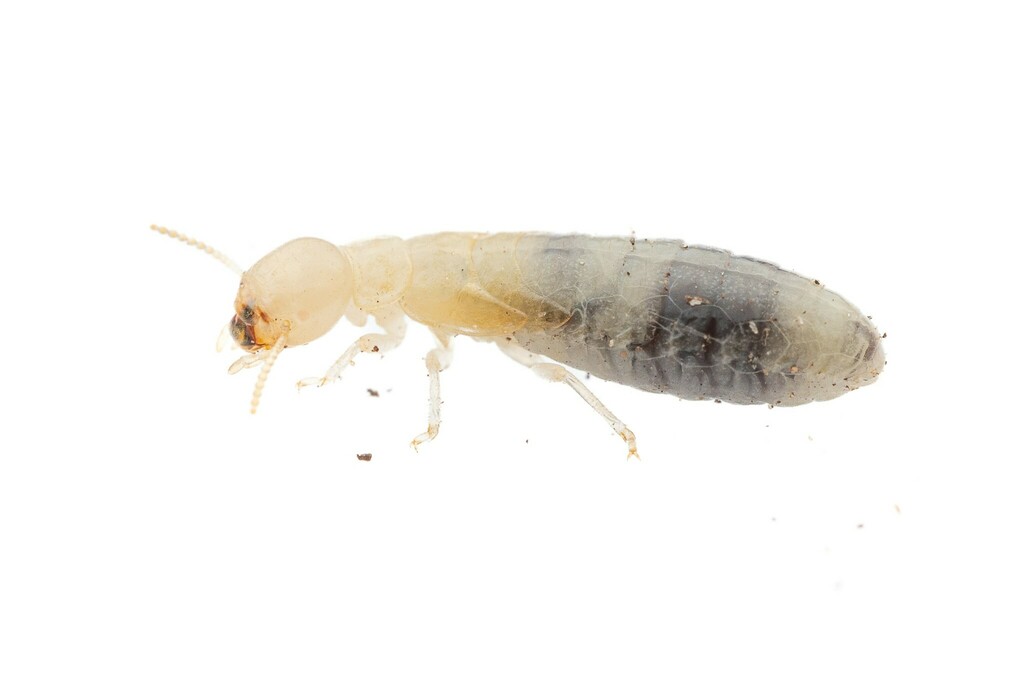
Photos 8 photos
Freely licensed photos, click to enlarge. Hotlinked from iNaturalist / Wikimedia Commons; the rights stay with the photographers — author, licence and source page are shown under each photo. Only the first 6 are shown here; the rest are under “All photos” at the end of the page.
Distribution map
Aggregated from GBIF occurrence records on a 1° grid; only extant taxa of this checklist are used, so fossil records are excluded. Dot size and shade show the number of records inside a cell.
Related papers
Cached papers for this genus (matched automatically, for reference); to search this species with its junior synonyms merged in, use the literature search.
- Spirotrichonymphea (Parabasalia) symbionts of the termite Paraneotermes simplicicornis
Abstract
- Gigantomonas lighti sp. nov., a trichomonad flagellate from Kalotermes (Paraneotermes) simplicicornis Banks
Abstract
- Colonizing Flights and Associated Activities of Termites. I. TheDesert Damp‐Wood Termite Paraneotermes Simplicicornis(Kalotermitidae)
Abstract
IN TRODUCTION.The swarming period provides the only oc- casion when observations can be made undisturbed on many species of termites.Flights involving large numbers of alates, apparently synchronized with particular seasons, are a conspicuous phenomenon in many parts of the world and well known to local inhabitants.Yet only the most limited information is available, on the flights of a small percentage of the commoner species, i.e., the months and time of day during which flights are staged, and perhaps an associa-
Papers on this species, synonyms included → OpenAlex Google Scholar CNKI
Abstracts come from open metadata; copyright remains with the original authors/publishers. For reference only — please check the original.
Literature notes
Edited notes based on the original literature, not transcriptions. The source markers in each paragraph point to archived records in .sources; full citations are listed below.
Natural wood preferences
According to the abstract, Haverty and Nutting (1975) surveyed natural wood feeding in 69 random quadrats and found that Paraneotermes simplicicornis prefers mesquite, catclaw acacia and dead cholla stumps, whereas in the same survey Heterotermes aureus feeds on about 13 wood species and prefers desert hackberry and dead cholla.
References
Cite this species
Citation strings are generated from the fields of this page; please keep the DOI and the version number when citing.
GB/T 7714
班奈特格林. Extant Isoptera (termites): a checklist of Latin and Chinese names: Paraneotermes simplicicornis 简角近新白蚁[EB/OL]. Version 2026.10.30. https://termite-extant-isoptera.org/en/species/paraneotermes-simplicicornis/. DOI: 10.5281/zenodo.23646836.
BibTeX
@misc{isoptera_paraneotermes_simplicicornis_2026,
  author       = {班奈特格林},
  title        = {Paraneotermes simplicicornis: a checklist of extant Isoptera (termites)},
  year         = {2026},
  version      = {2026.10.30},
  howpublished = {https://termite-extant-isoptera.org/en/species/paraneotermes-simplicicornis/},
  note         = {KALOTERMITIDAE; version 2026.10.30; DOI: 10.5281/zenodo.23646836},
  doi          = {10.5281/zenodo.23646836}
}
RIS
TY  - ELEC
TI  - Paraneotermes simplicicornis: a checklist of extant Isoptera (termites)
AU  - 班奈特格林
PY  - 2026
UR  - https://termite-extant-isoptera.org/en/species/paraneotermes-simplicicornis/
DO  - 10.5281/zenodo.23646836
ER  -