Family Psammotermitidae · 沙白蚁科
Filter the taxa recorded under this family by name and locality; for the whole site use the full-text search.
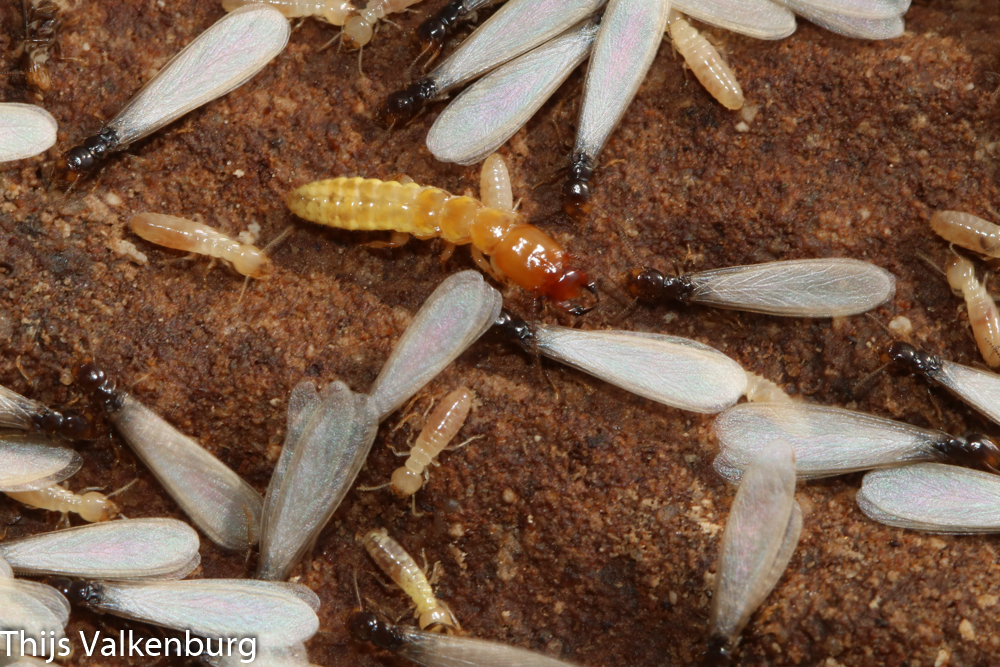
Distribution map
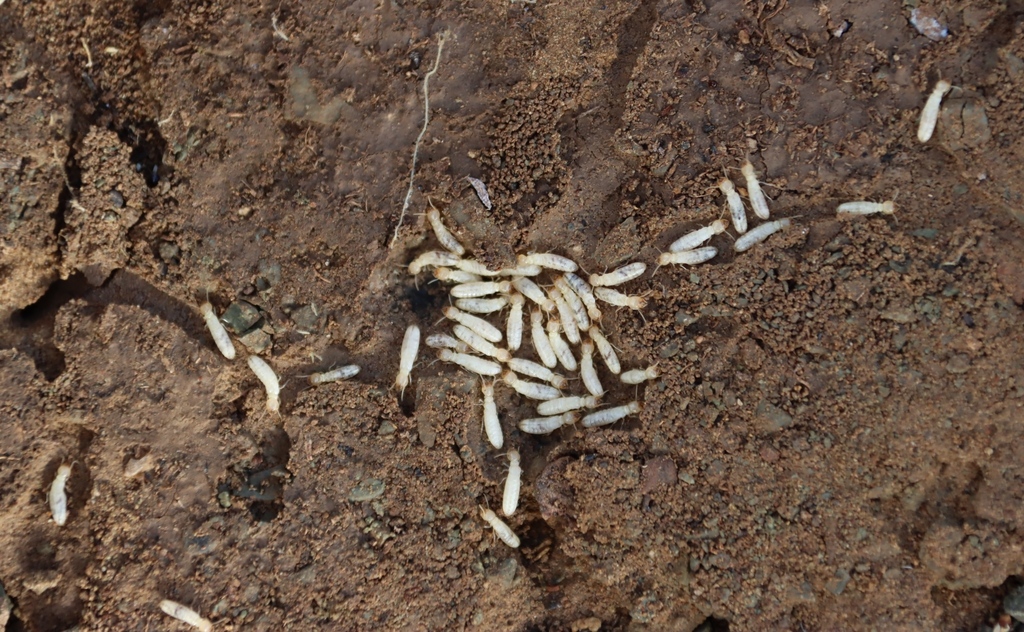
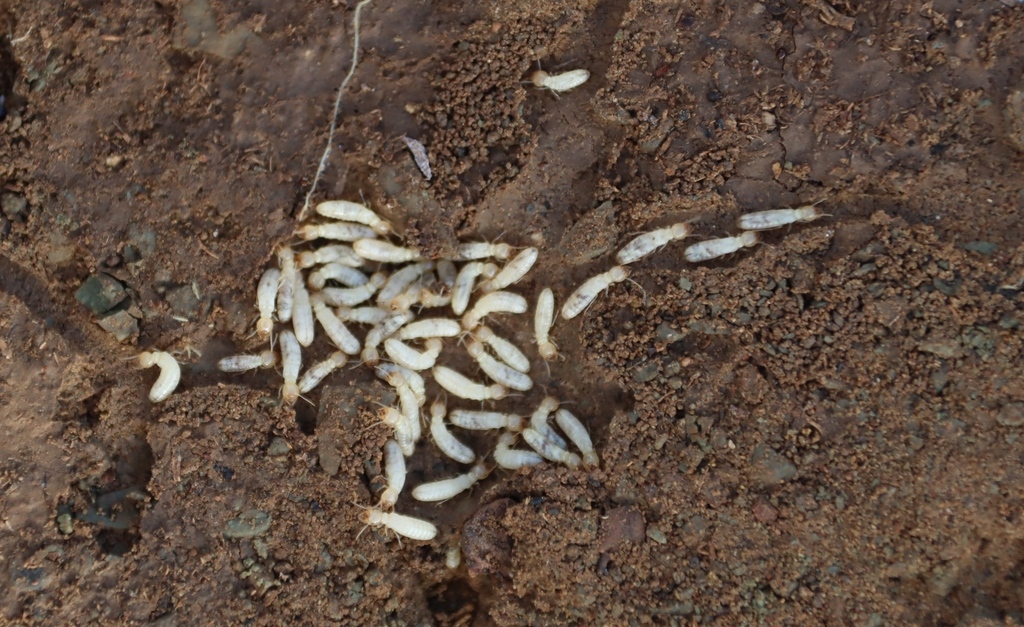
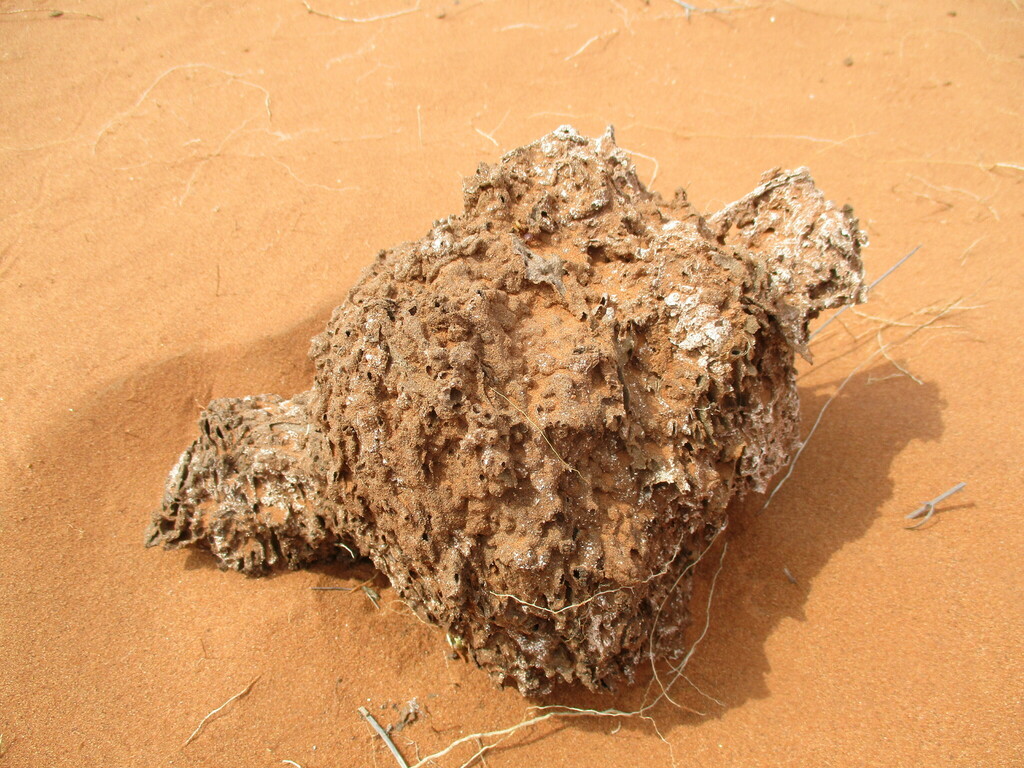
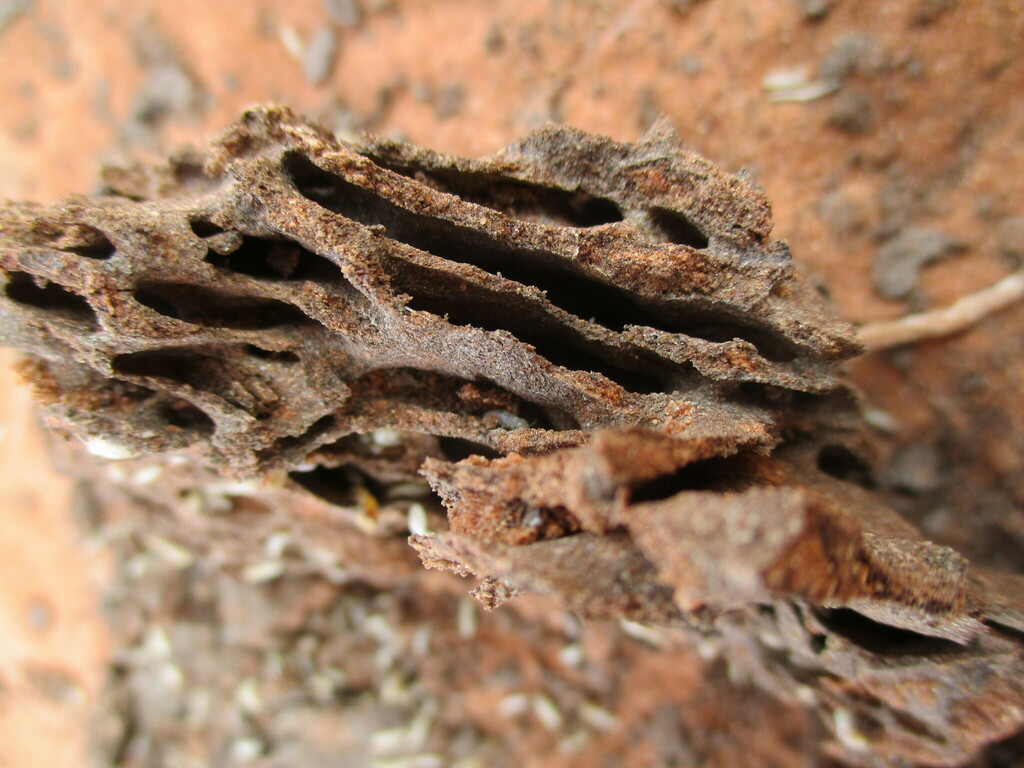
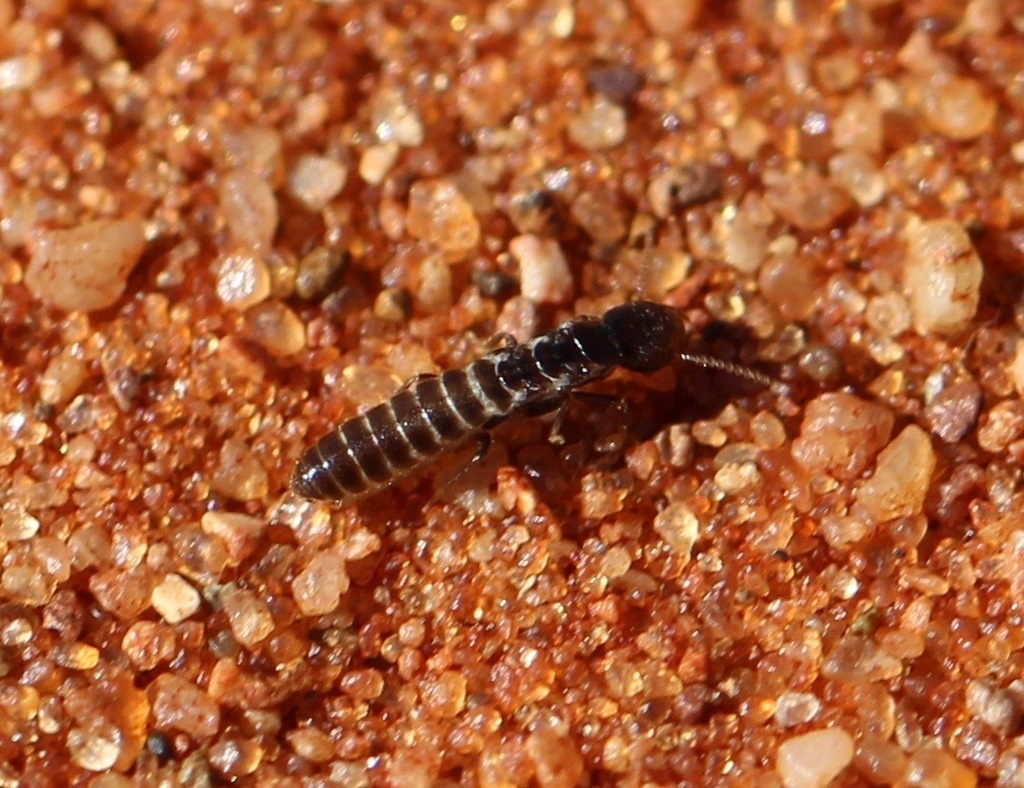
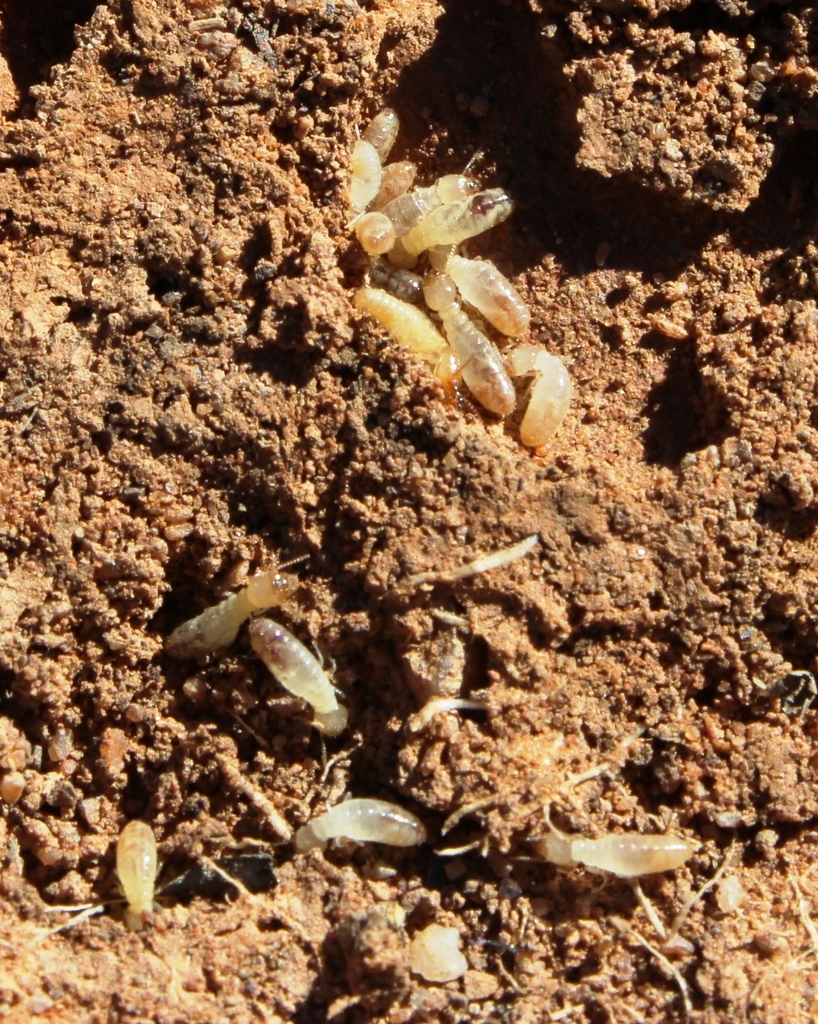
Photographs 10 photos · 1 species
Freely licensed photos; click to enlarge. This preview shows 6 photos; to browse by species, open “All photos”. Photos are hotlinked from iNaturalist / Wikimedia Commons; the rights stay with the photographers.
About the family
The subfamily Psammotermitinae was established by Holmgren in 1911, and was elevated to family rank (Psammotermitidae) by a 2024 phylogenetic study(21). The type genus is Psammotermes Desneux, 1902; the family name is formed from the Greek psammos (sand) and termes, referring to its habit of dwelling in sandy soil. This checklist includes 2 genera and 18 species.
This family contains only two living genera, and the two genera contrast sharply in their ecological habits. Both lack a true worker caste (nest labor is performed by pseudergates). The soldiers are of the mandibulate type, with a sclerotized head capsule that is oval to slightly narrowed anteriorly; the frons bears a fontanelle, from which a longitudinal groove, either distinct or faint, extends toward the postclypeus; the tibial spur formula of the soldier's fore, mid and hind legs is 3:2:2. In the alates the pronotum is flat, the tarsi are four-segmented, the fontanelle is situated in the middle of the head, ocelli are present, and the antennae have 15-22 segments. Psammotermes is a typical desert termite, widely distributed from southern to West Africa, northeastern and northern Africa, through the Arabian Peninsula and Iran to northwestern India, and also occurring in Madagascar; it excavates its own nest chambers and tunnels in sandy soil, also occupies abandoned nests of other termites, and has extremely broad feeding habits, taking dry grass, leaf litter, animal dung and even wind-blown accumulations of organic debris. Prorhinotermes is an island-coastal type, widely distributed across the Indian Ocean islands, South Asia, Southeast Asia, southern China and Taiwan, northern Australia and the western Pacific islands, and also occurring in Central America and the Caribbean; its colonies are thought to disperse with ocean currents on driftwood, and it mostly inhabits damp, decaying wood near the intertidal zone, such as mangrove habitats (22). A few Psammotermes species damage crops and earth structures in arid regions. For example, Psammotermes hypostoma damages wooden structures and crops in North Africa and the Middle East (23), and Prorhinotermes simplex damages wooden buildings in Florida, United States (24).
This section is the standing account the site maintains for this rank and is updated on this page as the classification is revised; the checklist index is in the Checklist.
Literature notes
Edited notes based on the original literature, not transcriptions. The source markers in each paragraph point to archived records in .sources; full citations are listed below.
Establishment of Psammotermitidae (2024)
According to Hellemans et al. (2024), Psammotermitidae (Psammotermitidae stat. nov.) was elevated from the subfamily Psammotermitinae of the former Rhinotermitidae to family rank and also incorporates the former subfamily Prorhinotermitinae; the only extant genera are Psammotermes Desneux, 1902 and Prorhinotermes Silvestri, 1909.
Psammotermes is a desert dweller, distributed in Africa (including Madagascar), the Sahara-Arabian region and the Oriental region; Prorhinotermes is mostly insular in distribution, and its wide spread is thought possibly to be connected with ocean currents carrying colonies in driftwood.
References
Genera (2)
- Prorhinotermes 原鼻白蚁属 12 species
- Psammotermes 沙白蚁属 6 species
Parent level: Checklist index · Data & downloads