Family Termitogetonidae · 寡脉白蚁科
Filter the taxa recorded under this family by name and locality; for the whole site use the full-text search.
Distribution map
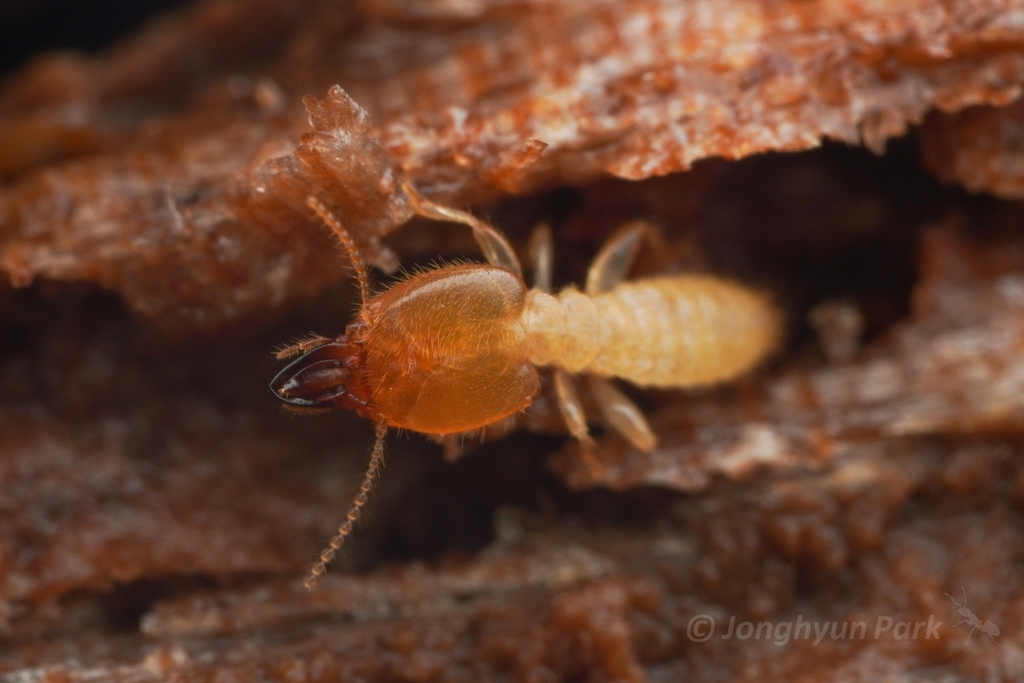
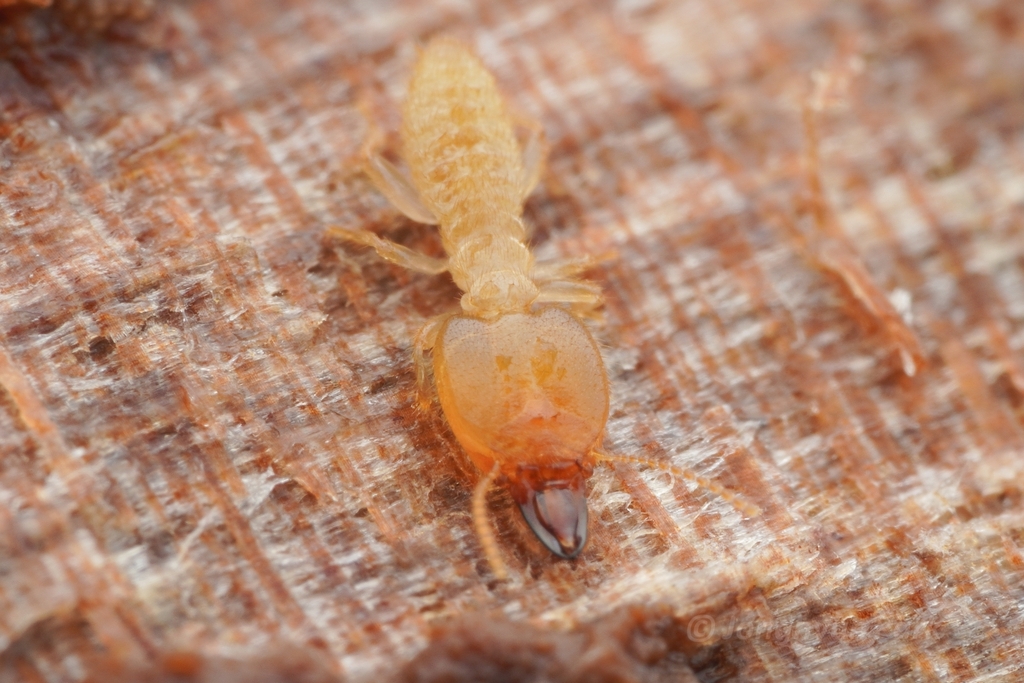
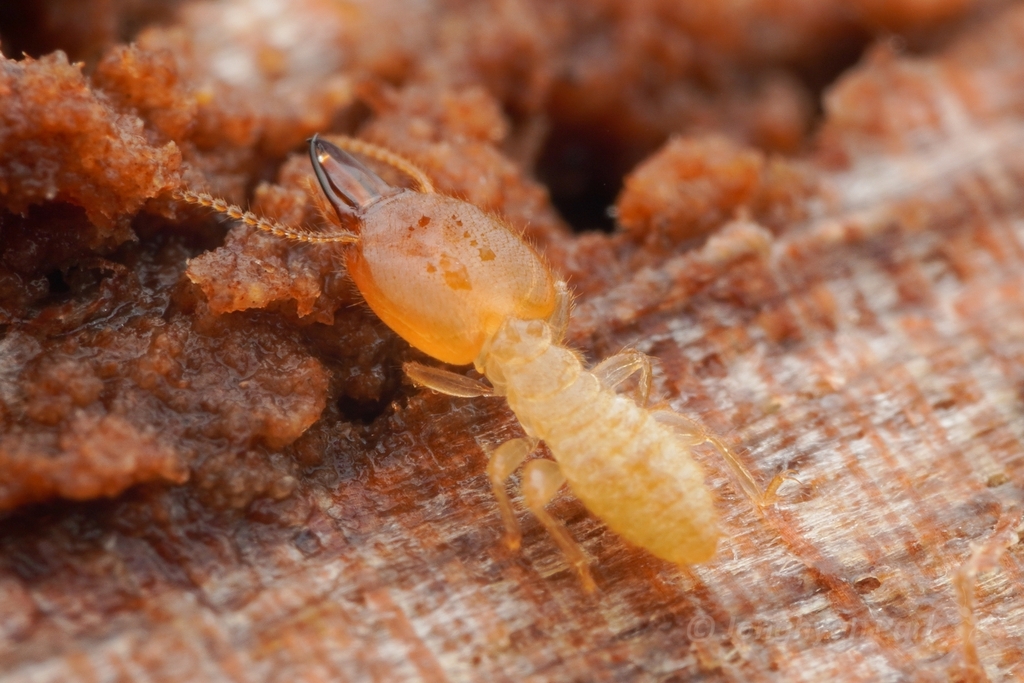
Photographs 6 photos · 2 species
Freely licensed photos; click to enlarge. This preview shows 6 photos; to browse by species, open “All photos”. Photos are hotlinked from iNaturalist / Wikimedia Commons; the rights stay with the photographers.

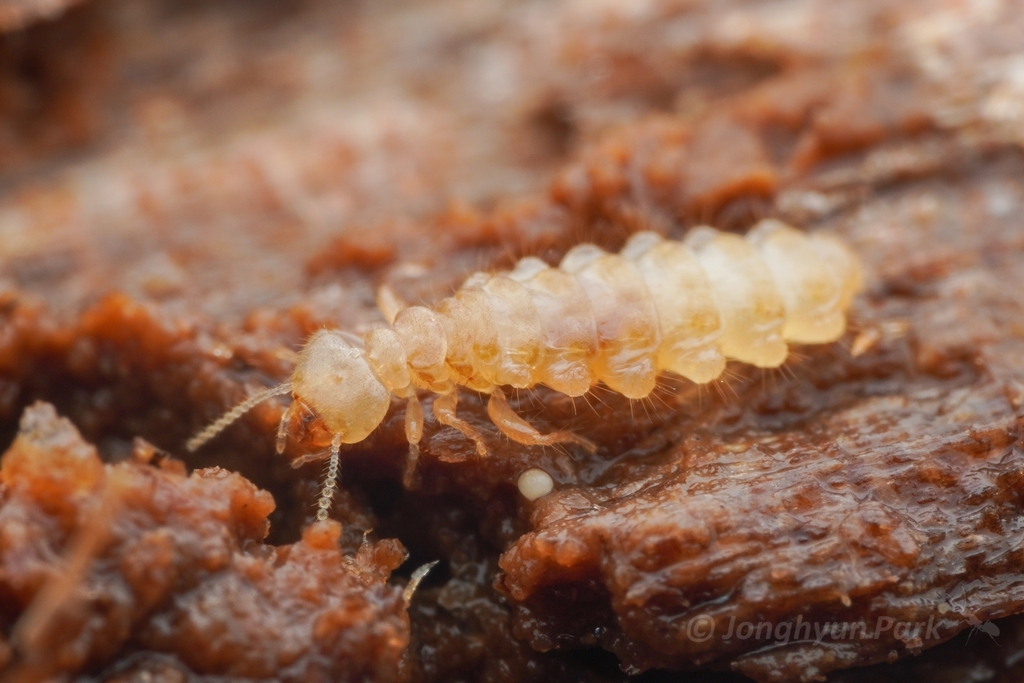
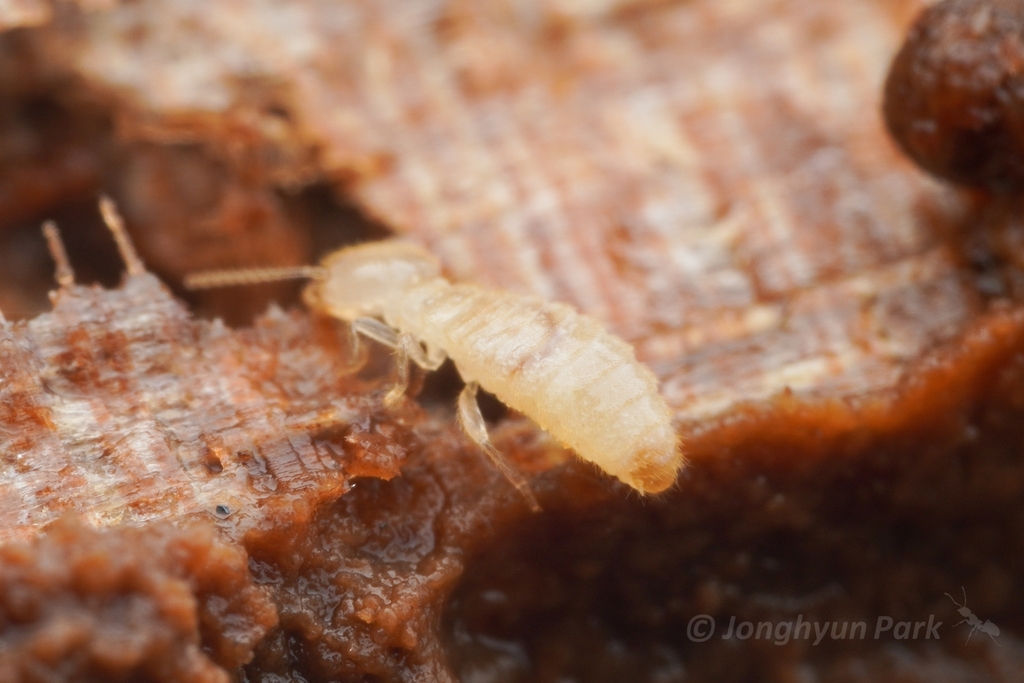
About the family
The subfamily Termitogetoninae was established by Holmgren in 1910 (1910a:286) (14); in 2024, a genomic phylogenetic study elevated it from subfamily to family rank (Termitogetonidae) (21). The family Termitogetonidae is monotypic, containing only the genus Termitogeton Desneux, 1904. The family name is based on the stem Termitogeton, formed from termes and the Greek geiton (neighbor), meaning "one close to the genus Termes". This checklist records 1 genera and 2 species.
In distribution, this is a small Oriental-realm family, occurring in Southeast Asia (Indonesia, Malaysia) and Sri Lanka, inhabiting dead or decayed wood in tropical rainforests. The family has no true workers; labor is performed by pseudergates. The soldiers possess a frontal gland capable of secreting defensive and alarm substances containing monoterpenes and other components (29); the sex ratio is close to 1:1 in all castes, except that females are somewhat more numerous among soldiers (30). The developmental pathway comprises 2 larval instars, 4 pseudergate instars (30), and 1 nymphal instar before reaching the adult; the wing buds appear at the second instar, regress in subsequent molts, and reappear at the nymphal stage, and a mature colony consists of only about a thousand individuals. The body is dorsoventrally flattened in all castes, an adaptation to living beneath bark. The alates have a nearly triangular head, small compound eyes with ocelli present, 15-segmented antennae, and a body densely covered with setae; the pronotum is narrower than the head and its anterior margin is produced into a lobe in the middle; the wings are densely covered with fine hairs, and the forewing scale does not overlap the hindwing scale. In the pseudergate, the left mandible bears an apical tooth and 3 marginal teeth, the second marginal tooth being longer than the apical tooth and the first marginal tooth; the tibial spur formula of all legs is 2:2:2. The soldier has a triangular head with a strongly undulating posterior margin that is produced in the middle, slender mandibles without marginal teeth (only a row of fine denticles at the base), 13–15-segmented antennae, and enlarged hind coxae.
This section is the standing account the site maintains for this rank and is updated on this page as the classification is revised; the checklist index is in the Checklist.
Literature notes
Edited notes based on the original literature, not transcriptions. The source markers in each paragraph point to archived records in .sources; full citations are listed below.
Establishment of Termitogetonidae (2024)
According to Hellemans et al. (2024), Termitogetonidae (Termitogetonidae stat. nov.) was elevated from the subfamily Termitogetoninae of the former Rhinotermitidae to family rank; it is a monotypic family containing only the genus Termitogeton Desneux, 1904, with two extant species distributed in the Oriental region and Oceania and living as wood feeders.
In this family the alates are densely hairy, with a nearly triangular head whose posterior margin is wavy; the soldier head is heart-shaped and densely hairy, with elongate mandibles that lack marginal teeth; in every caste the body is dorsoventrally flattened.
References
Genus (1)
- Termitogeton 寡脉白蚁属 2 species
Parent level: Checklist index · Data & downloads