Genus Termitogeton · 寡脉白蚁属
Filter the taxa recorded under this genus by name and locality; for the whole site use the full-text search.
Distribution map
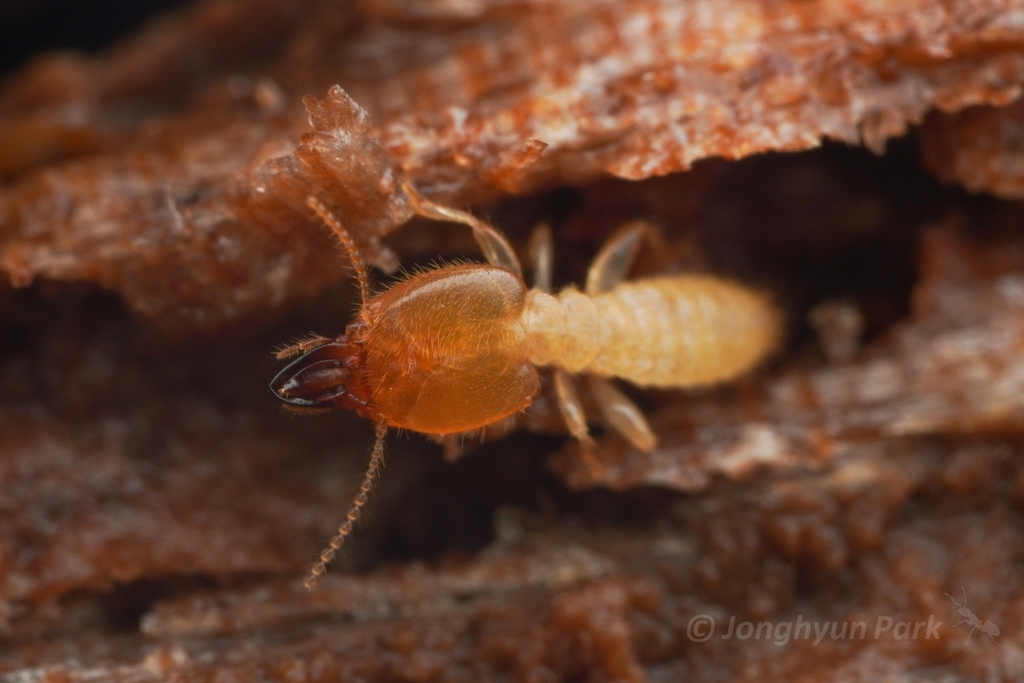
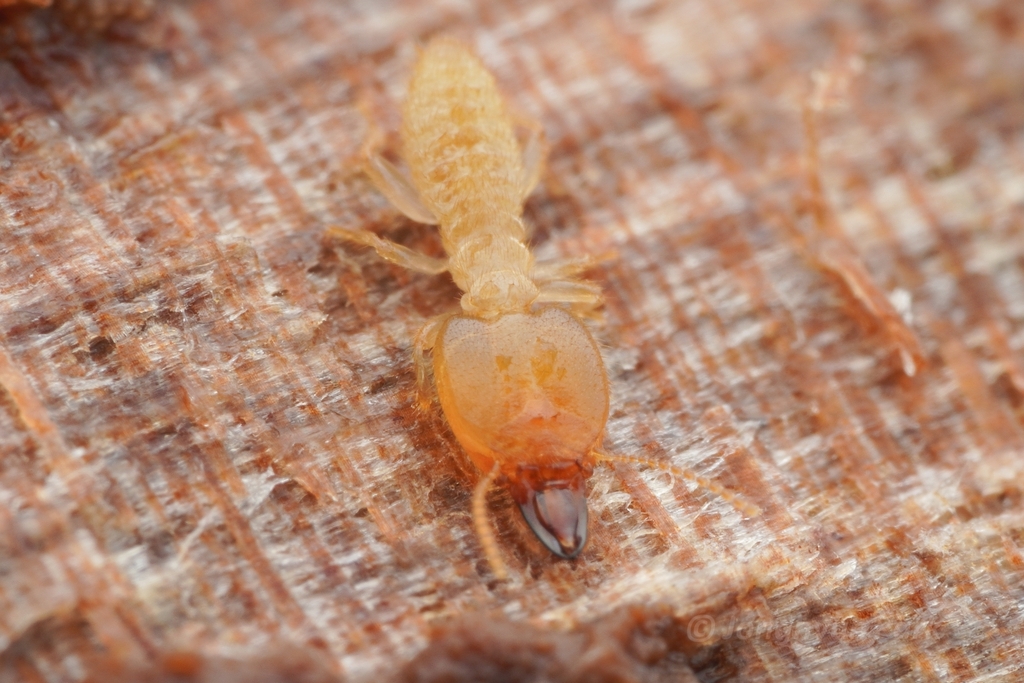
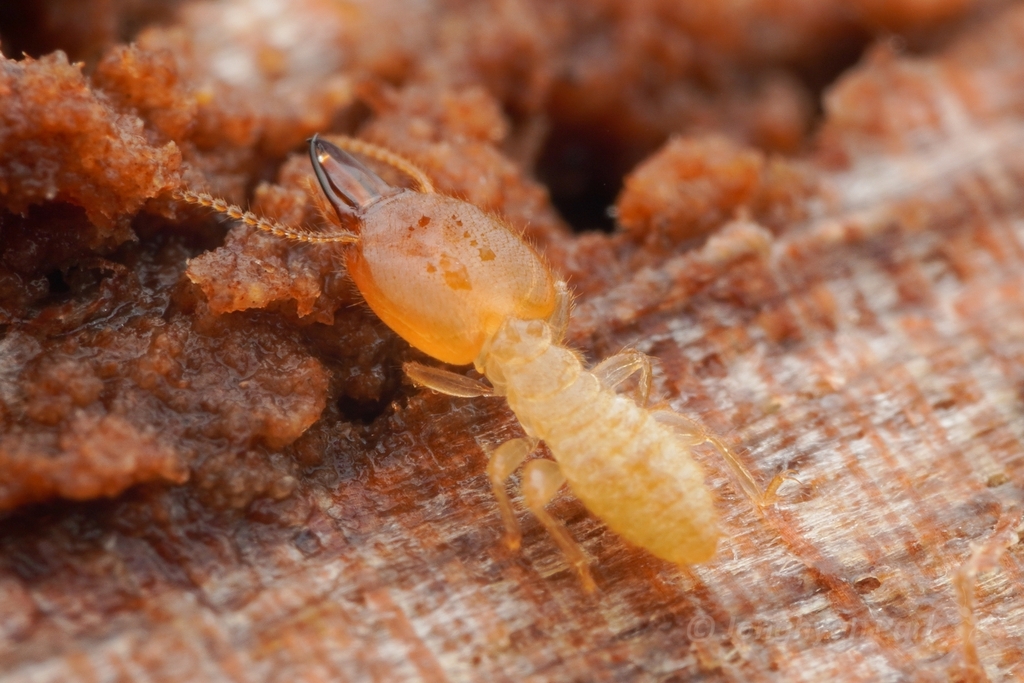
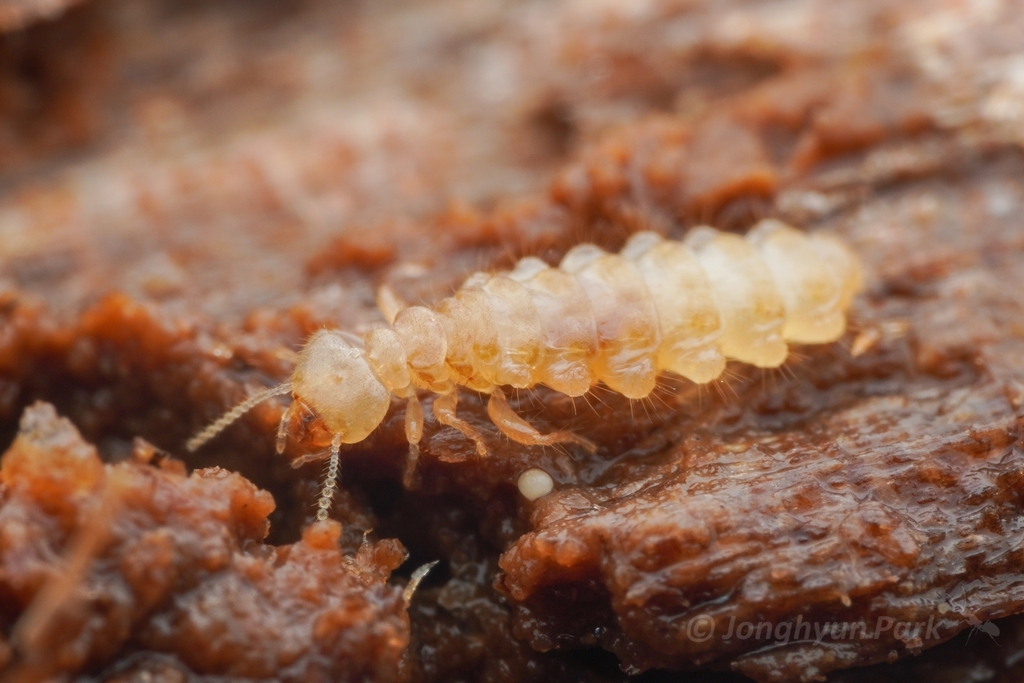
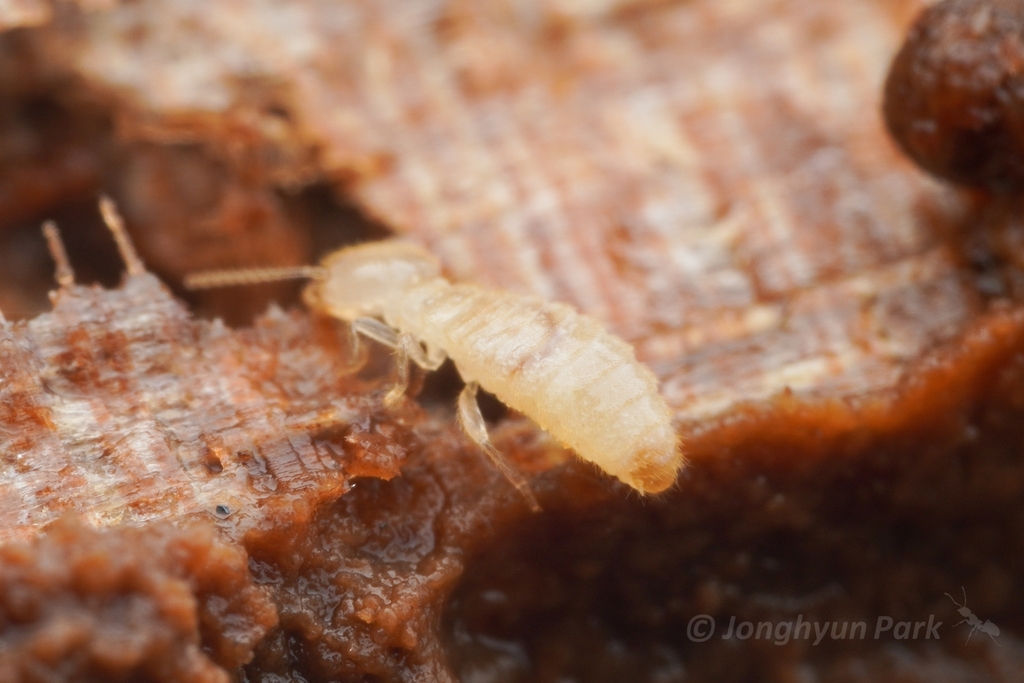
Photographs 6 photos · 2 species
Freely licensed photos; click to enlarge. This preview shows 6 photos; to browse by species, open “All photos”. Photos are hotlinked from iNaturalist / Wikimedia Commons; the rights stay with the photographers.

About the genus
This genus belongs to the family Termitogetonidae 寡脉白蚁科; the site records 2 species.
Type species: Termitogeton planus.
This page includes a distribution map for the genus (GBIF records aggregated on a 1° grid); open a species entry to see its type locality, distribution, and references.
Etymology
From Greek termit- (termite) + geitōn (neighbor), 'termite's neighbor'.
The etymologies in this section are analytical breakdowns; the roots follow Brown (1956).
Morphology
The descriptions below are an adaptation of the original genus-level accounts; terms follow the meaning of the source, and the original is not transcribed verbatim.
Diagnostic characters
Alates densely hairy, the posterior part of the head larger than the anterior, the fontanelle extremely narrow and situated at the middle of the head, compound eyes small, antennae 10–15-segmented, pronotum very small, about half the width of the head, wings lacking a media and a radius; soldiers densely hairy, the head characteristically heart-shaped and dorsoventrally flattened, antennae 13–15-segmented, labrum nearly triangular, mandibles elongate and without marginal teeth, pronotum half the width of the head.
Alate
Body densely hairy throughout; posterior part of the head larger than the anterior; fontanelle extremely narrow, situated at the middle of the head; compound eyes small; antennae 10–15-segmented; pronotum very small, about half the width of the head; wings without a media and a radius. Species level (T. planus): body very small, covered with small hairs; head narrow in front and wide behind, heart-shaped; compound eyes large; ocelli situated in front of the compound eyes; antennae usually 9–15-segmented; pronotum about half the width of the head, with a small projection in the middle of the anterior margin.
Soldier
Body densely hairy throughout; head characteristically heart-shaped, dorsoventrally flattened; antennae usually 13–15-segmented; labrum nearly triangular; mandibles elongate, without marginal teeth; pronotum half the width of the head. Species level (T. planus): labrum elongate with a pointed apex, narrow at the base, widest in the apical 1/3; antennae 11–15-segmented; pronotum half the width of the head, projecting forward in the middle of the anterior margin; mandibles short, without marginal teeth, slightly curved apically.
Sources: Roisin, Y.; Bourguignon, T. 2011. Revision of the termite family Rhinotermitidae (Isoptera) in New Guinea. ZooKeys 148: 55–103. https://doi.org/10.3897/zookeys.148.1826, Genus Termitogeton: Diagnosis; species account of T. planus This text is an adaptation, not a verbatim transcription of the original.
Species (2)
Parent level: Checklist index · Termitogetonidae 寡脉白蚁科 · Data & downloads