Genus Heterotermes · 异白蚁属
Filter the taxa recorded under this genus by name and locality; for the whole site use the full-text search.
Distribution map
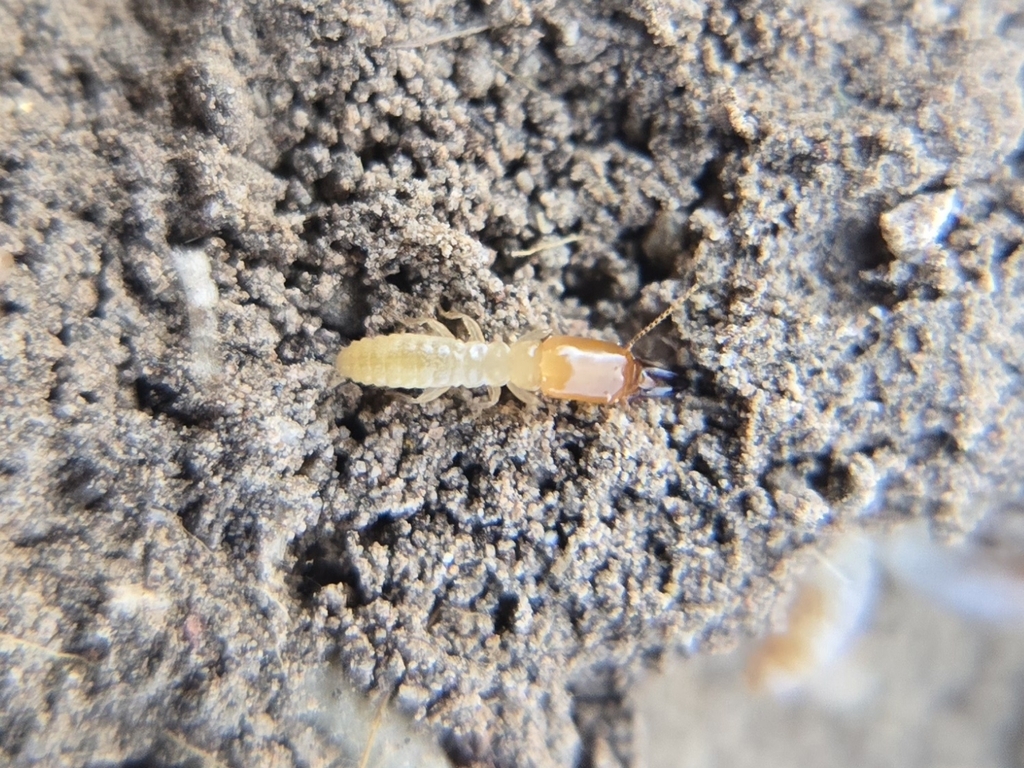
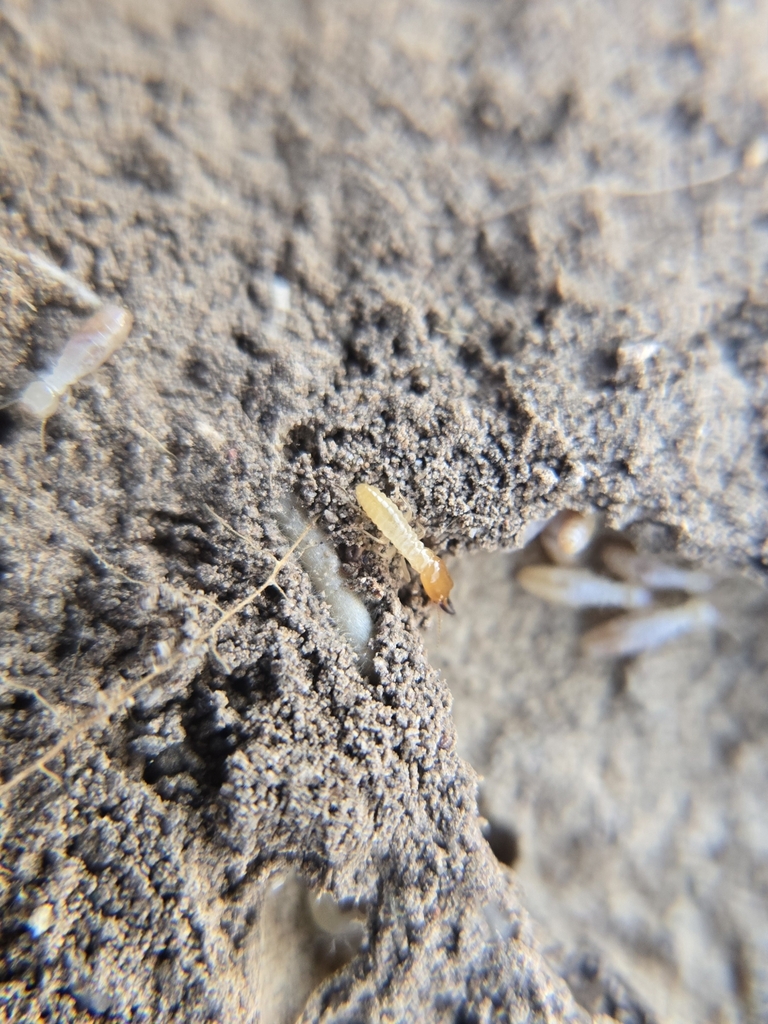
Photographs 30 photos · 3 species
Freely licensed photos; click to enlarge. This preview shows 6 photos; to browse by species, open “All photos”. Photos are hotlinked from iNaturalist / Wikimedia Commons; the rights stay with the photographers.
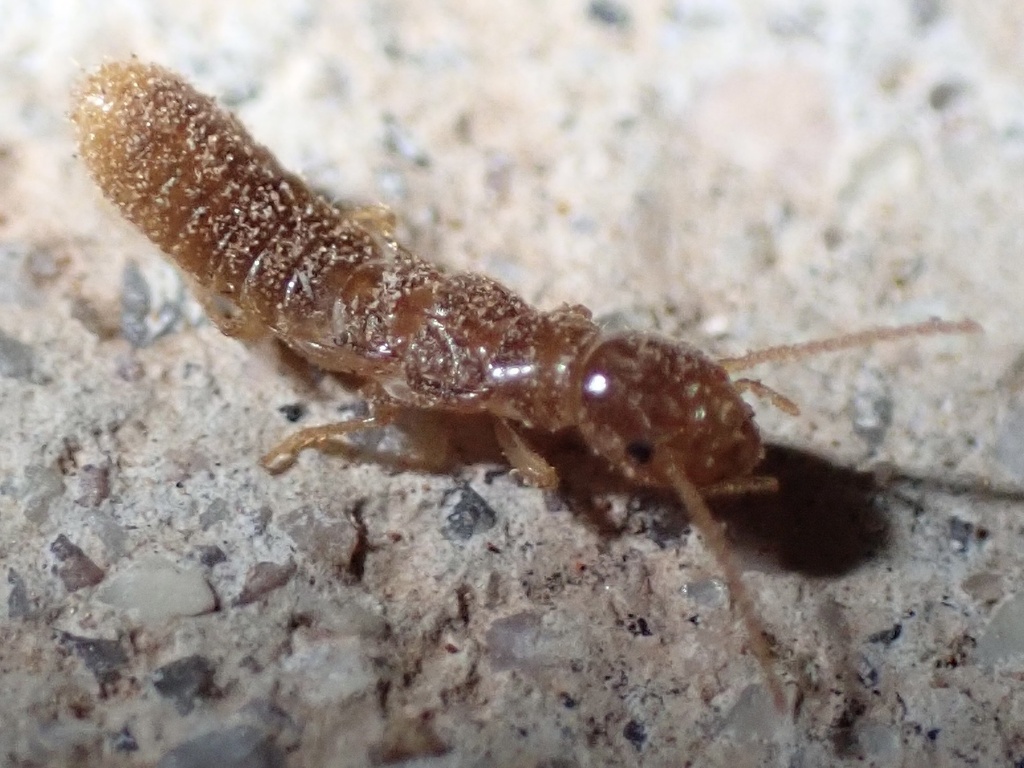
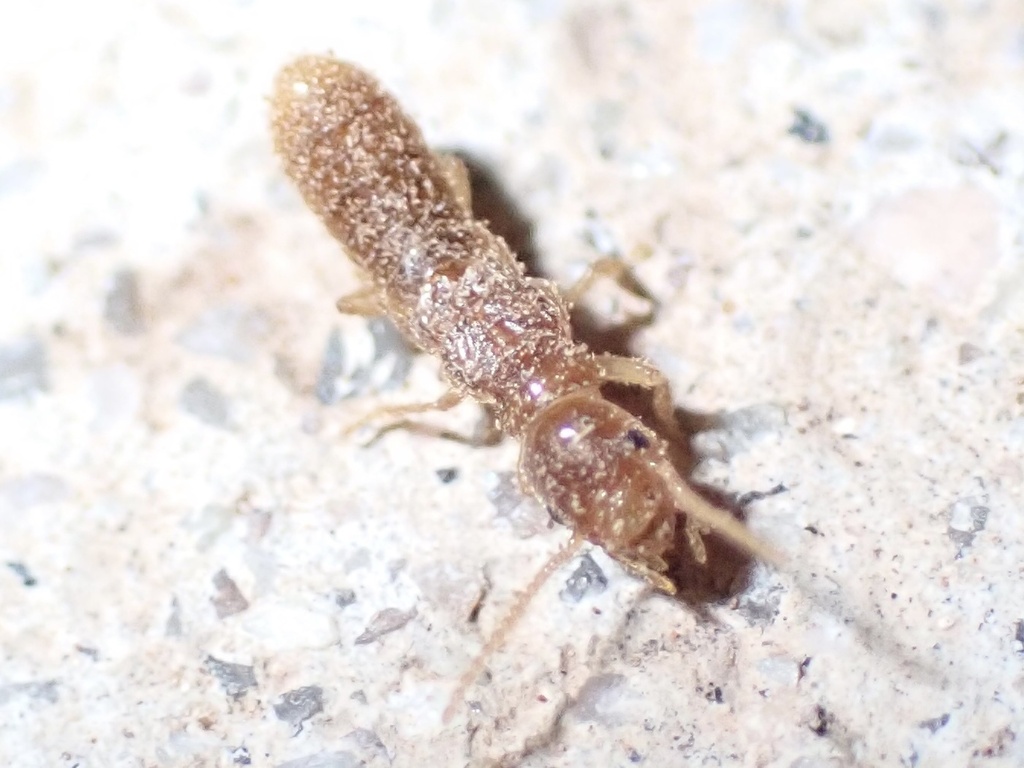
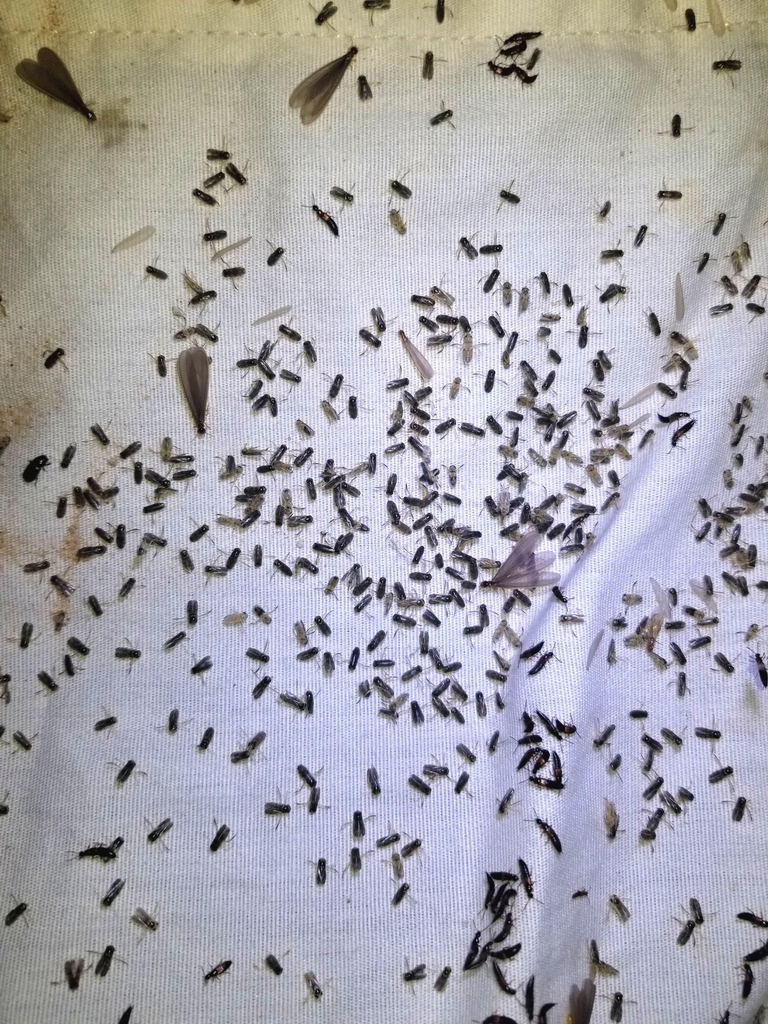
About the genus
This genus belongs to the family Heterotermitidae 异白蚁科; the site records 31 species.
Type species: Heterotermes platycephalus.
This page includes a distribution map for the genus (GBIF records aggregated on a 1° grid); open a species entry to see its type locality, distribution, and references.
Etymology
From Greek heteros (different) + Latin termes.
The etymologies in this section are analytical breakdowns; the roots follow Brown (1956).
Morphology
The descriptions below are an adaptation of the original genus-level accounts; terms follow the meaning of the source, and the original is not transcribed verbatim.
Diagnostic characters
The genus is distinguished from other members of the Rhinotermitinae by the following combination: in the soldier the head is long and narrow, rectangular, the mandibles sabre-shaped with slightly curved apices, the left mandible with one tooth and several serrations at the base and the right mandible without teeth or serrations at the base; in the alate the head is almost oval, the anterior part narrower than the posterior, the ocelli situated at the front of the head, before the compound eyes, the antennae usually 15–19 segments, and the pronotum elongate and narrower than the head.
Alate
Head almost oval, the anterior part narrower than the posterior; fontanelle small, situated in the middle of the head; compound eyes small and flat; ocelli situated at the front of the head, before the eyes; antennae usually 15–19 segments; pronotum elongate and narrower than the head. Species level (H. paradoxus): head slightly elongate, bearing several hundred hairs; pronotum elongate and of medium width; antennae usually 18 segments (occasionally 17); compound eyes flat, with small ocelli in front of the eyes.
Soldier
Head long and narrow, rectangular; fontanelle small, circular, situated anteriorly; labrum short to medium, about half the length of the mandibles; mandibles sabre-shaped with slightly curved apices; left mandible with one tooth and several serrations at the base; right mandible without teeth or serrations at the base; antennae 13–18 segments. Species level (H. vagus): soldier small, the head elongate with a distinct swelling anteriorly and densely covered with short hairs; labrum elongate with a sharp apex; antennae usually 13 segments; pronotum short and narrow, bearing about 50 hairs; postmentum slightly narrow and hairless; mandibular apices slightly curved.
Sources: Roisin, Y.; Bourguignon, T. 2011. Revision of the termite family Rhinotermitidae (Isoptera) in New Guinea. ZooKeys 148: 55–103. https://doi.org/10.3897/zookeys.148.1826, Genus Heterotermes: Diagnosis; species accounts of H. vagus and H. paradoxus This text is an adaptation, not a verbatim transcription of the original.
Literature notes
Edited notes based on the original literature, not transcriptions. The source markers in each paragraph point to archived records in .sources; full citations are listed below.
16S phylogeny in the West Indies and family placement
According to the abstract, Szalanski et al. (2004) studied Heterotermes in the West Indies and obtained five West Indian lineages on a maximum-parsimony tree of the 16S rRNA fragment, with morphology and geographical distribution supporting these clades; the genus was then placed in the Rhinotermitidae in the broad sense, and this site now places it in the Heterotermitidae established in 2024.
According to the abstract, the study sampled 63 localities; the Florida Heterotermes sp. is known to be non-native, and populations on Barbados, Grand Cayman, Grand Turk, Martinique and St. Barthelemy may include, or consist entirely of, non-native populations, suggesting that the termites of some islands were introduced by humans; Heterotermes cardini occurs in the Bahamas and Cuba, Heterotermes convexinotatus in Antigua, Barbados, Curaçao, the Dominican Republic, Martinique, Puerto Rico, St. Kitts, St. Maarten, Venezuela and the Virgin Islands, and Heterotermes tenuis in the Lesser Antilles except Barbados and Martinique, in Ecuador and in Suriname.
References
- Szalanski, A. L.; Scheffrahn, R. H.; Austin, J. W.; Křeček, J.; Su, N.-Y. 2004. Molecular phylogeny and biogeography of Heterotermes (Isoptera: Rhinotermitidae) in the West Indies. Annals of the Entomological Society of America 97: 556–566.
- Hellemans, S.; Rocha, M. M.; Wang, M.; et al. 2024. Genomic data provide insights into the classification of extant termites. Nature Communications 15.
Species (31)
- Heterotermes aethiopicus Sjöstedt, 1911 埃塞俄比亚异白蚁
- Heterotermes assu Constantino, 2000 大异白蚁
- Heterotermes aureus Snyder, 1920 金黄异白蚁
- Heterotermes balwanti Mathur & Chhotani, 1969 巴尔万特异白蚁
- Heterotermes brevicatena Watson & Miller, 1989 短链异白蚁
- Heterotermes cardini Snyder, 1924 卡丁异白蚁
- Heterotermes ceylonicus Holmgren, 1911 锡兰异白蚁
- Heterotermes convexinotatus Snyder, 1924 凸背异白蚁
- Heterotermes crinitus Emerson, 1924 密毛异白蚁
- Heterotermes ferox Froggatt, 1898 好斗异白蚁
- Heterotermes gertrudae Roonwal, 1953 格特鲁德异白蚁
- Heterotermes indicola Wasmann, 1902 印度异白蚁
- Heterotermes intermedius Hill, 1932 中间异白蚁
- Heterotermes lauralinearum Carrijo, 2020 劳拉利纳异白蚁
- Heterotermes longicatena Watson & Miller, 1989 长链异白蚁
- Heterotermes longiceps Snyder, 1924 长头异白蚁
- Heterotermes maculatus Light, 1933 斑点异白蚁
- Heterotermes malabaricus Snyder, 1933 马拉巴尔异白蚁
- Heterotermes occiduus Hill, 1927 西部异白蚁
- Heterotermes omanae Chhotani, 1988 阿曼异白蚁
- Heterotermes pamatatensis Kemner, 1934 帕玛塔塔异白蚁
- Heterotermes paradoxus Froggatt, 1898 奇异异白蚁
- Heterotermes perfidus Silvestri, 1936 危险异白蚁
- Heterotermes philippinensis Light, 1921 菲律宾异白蚁
- Heterotermes platycephalus Froggatt, 1897 宽头异白蚁 ★ Type species
- Heterotermes sulcatus Mathews, 1977 具沟异白蚁
- Heterotermes tenuior Haviland, 1898 细长异白蚁
- Heterotermes tenuis Hagen, 1858 细瘦异白蚁
- Heterotermes vagus Hill, 1927 游荡异白蚁
- Heterotermes validus Hill, 1915 健壮异白蚁
- Heterotermes wittmeri Chhotani & Bose, 1982 威特默异白蚁
Parent level: Checklist index · Heterotermitidae 异白蚁科 · Data & downloads