Family Heterotermitidae · 异白蚁科
Filter the taxa recorded under this family by name and locality; for the whole site use the full-text search.
Distribution map
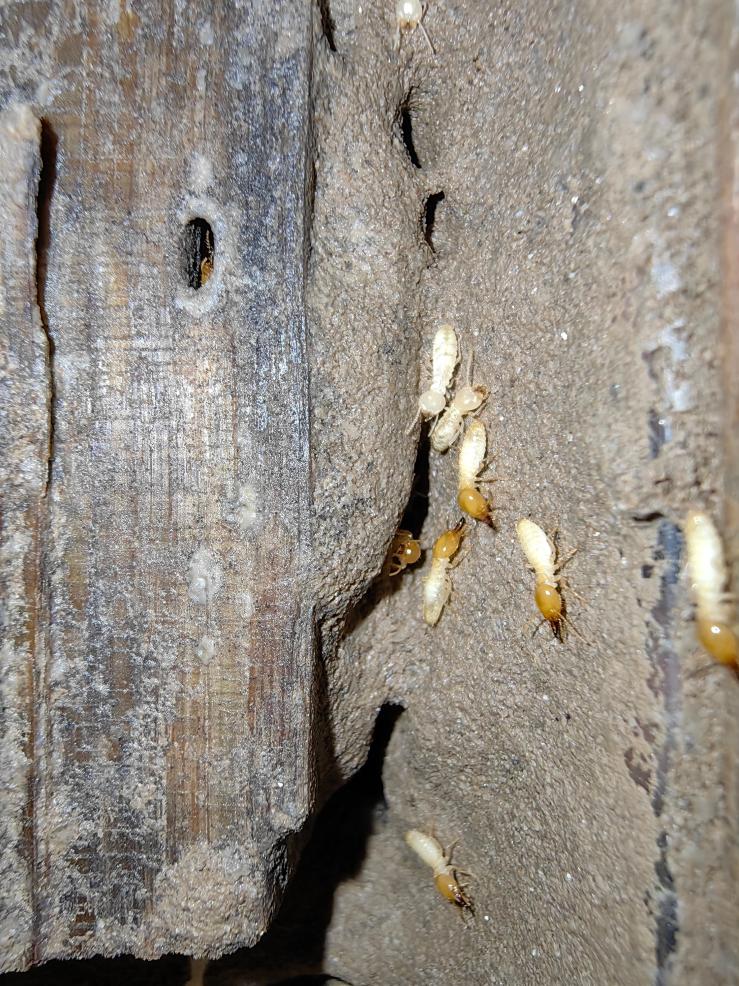
Photographs 601 photos · 23 species
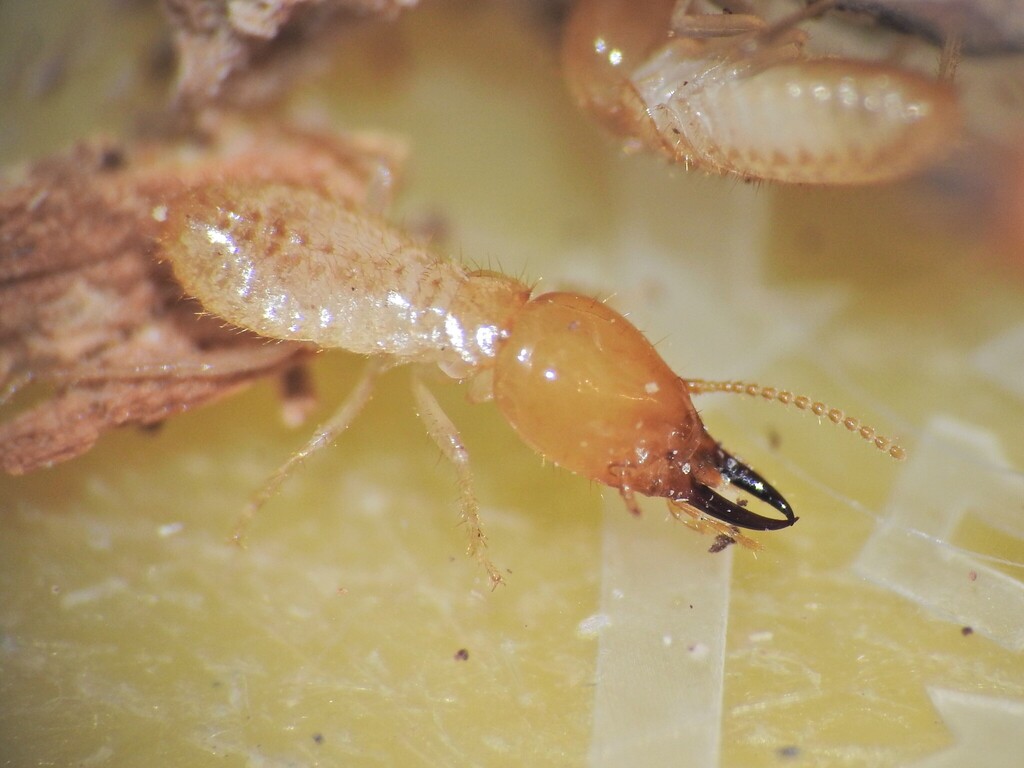
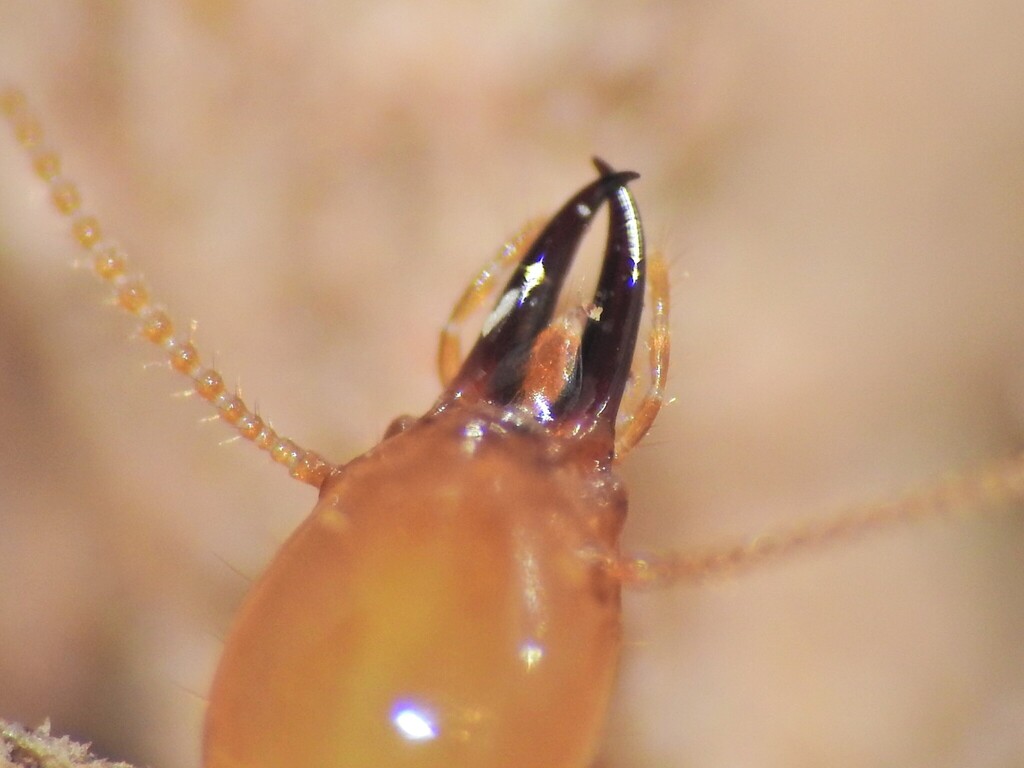
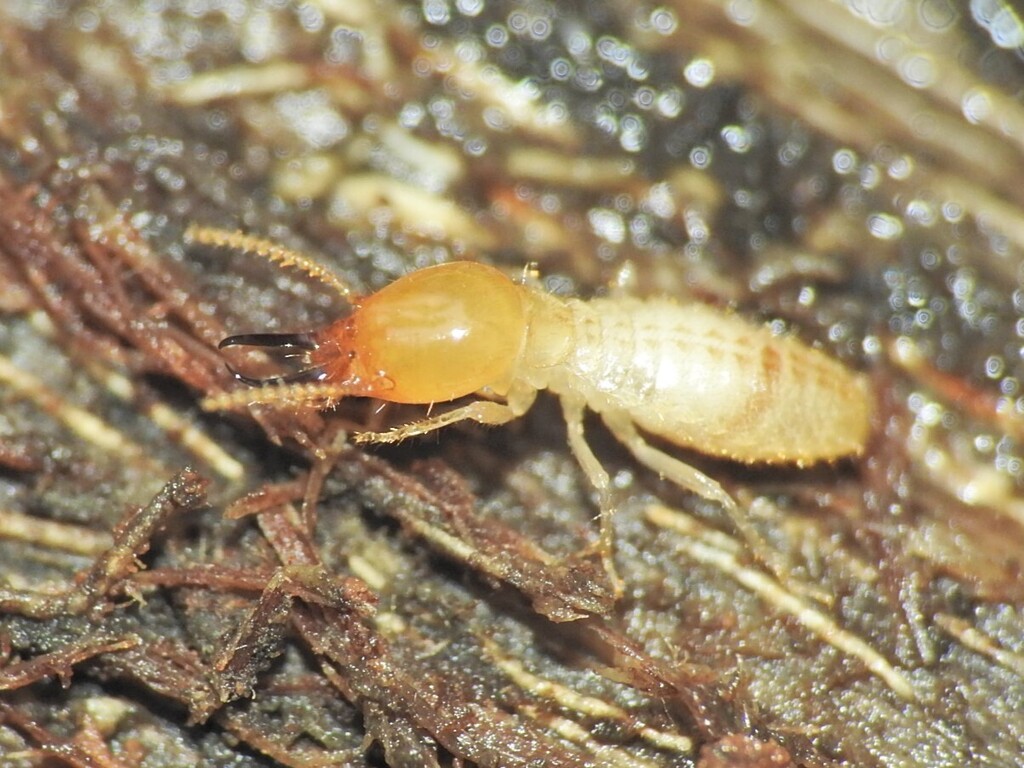
Freely licensed photos; click to enlarge. This preview shows 6 photos; to browse by species, open “All photos”. Photos are hotlinked from iNaturalist / Wikimedia Commons; the rights stay with the photographers.
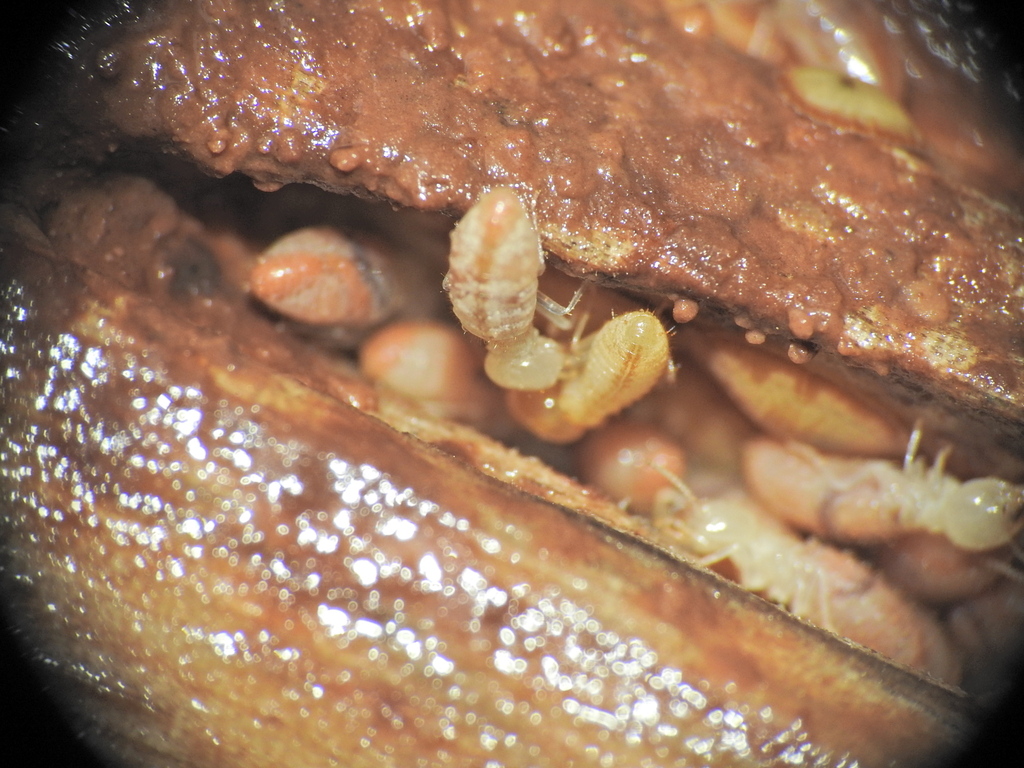
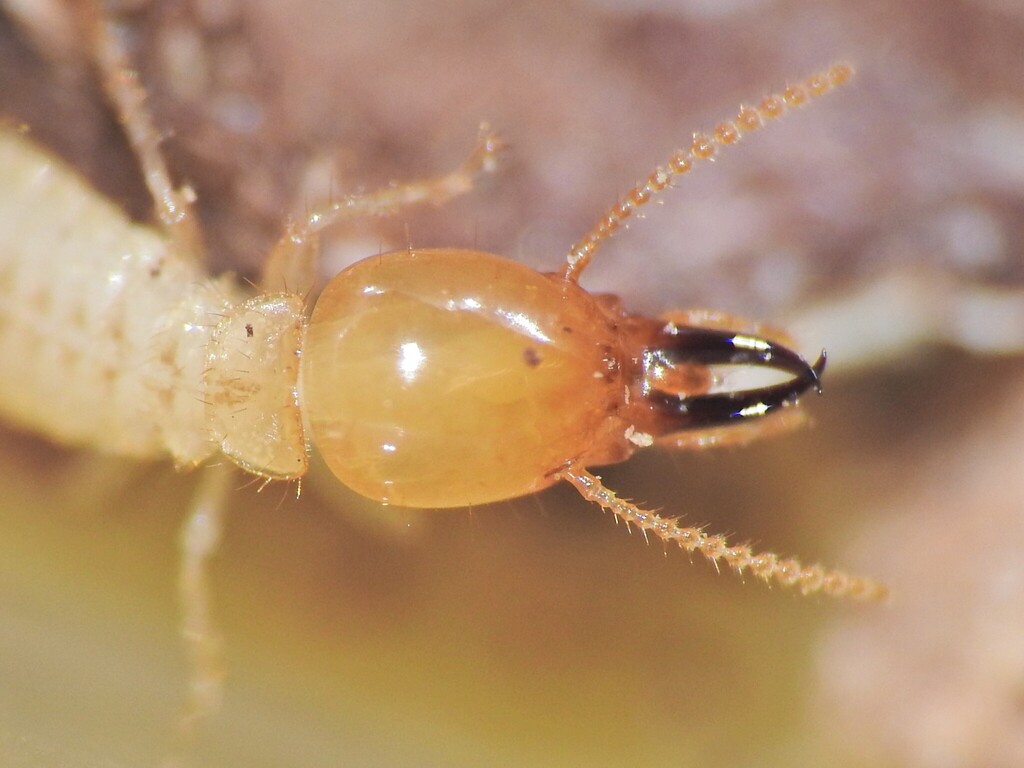
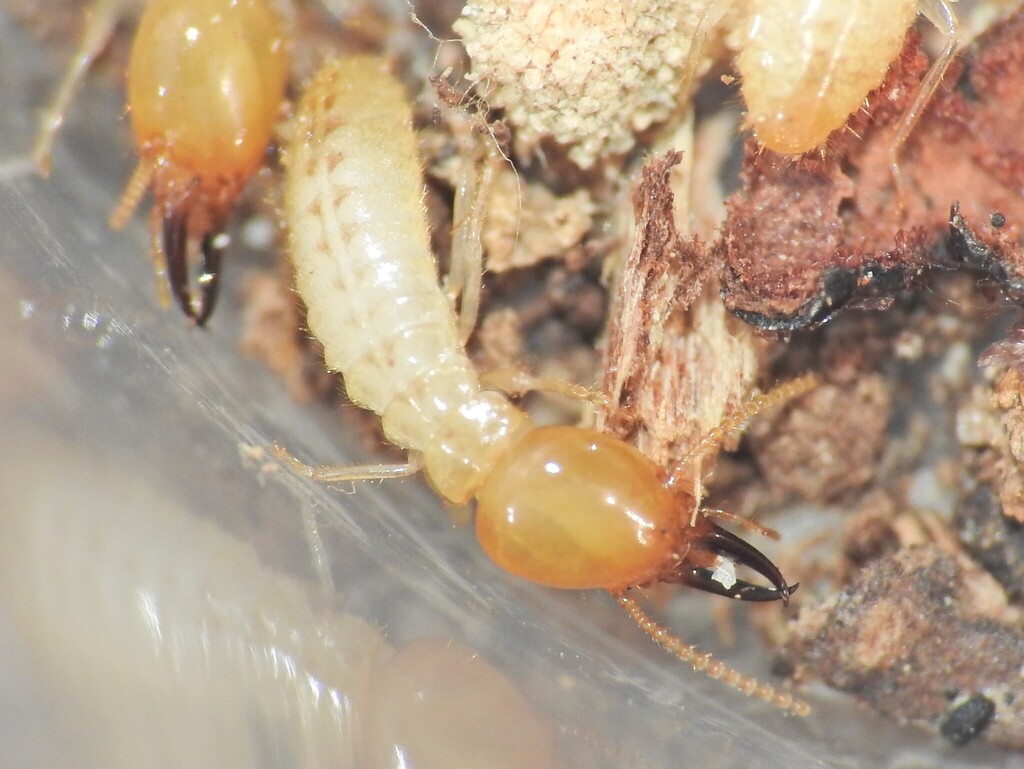
About the family
The subfamily Heterotermitinae was established by Froggatt in 1897 and was long placed in the Rhinotermitidae; in 2024, a phylogenetic study elevated it to family rank (Heterotermitidae) (21), incorporating the genera Coptotermes and Reticulitermes, and it now contains 3 genera. The type genus is Heterotermes Froggatt, 1897, and the family name is formed from the Greek heteros (different) and termes. This checklist records 3 genera and 229 species.
This family is widely distributed from the pantropics to the northern temperate zone, and the three genera show markedly different distribution patterns: Coptotermes is pantropical, with its center of diversity in the Oriental realm and Australia, and also occurs in tropical Africa, the Neotropics, and the Indo-Pacific islands; Heterotermes occurs mainly in the Neotropical realm, and also in Australia, South Asia, the Middle East to northeastern Africa, and the islands of the western Indian Ocean; Reticulitermes is confined to the temperate Northern Hemisphere, with China as its center of diversity (over a hundred species endemic to China), and is also widely distributed in Japan, the Korean Peninsula, Taiwan, India, Mediterranean Europe, and North America. This family and the other Geoisoptera have a stable chromosome number of 2n=42, possess a true worker caste, and form huge colonies; in most species the mature colonies are ecologically highly dependent on soil, nesting in the soil or in carton nests built of wood fragments, saliva, and feces, with the workers constructing tunnels and mud sheeting to forage for wood outside, so that the nest is separated from the food source, although they can often still nest and survive within wood. In Coptotermes the soldier head is oval with a large, forward-facing fontanelle (31), from which a milky fluid is exuded when disturbed; in Heterotermes and Reticulitermes the soldier head is nearly rectangular with a small, inconspicuous fontanelle. The diagnostic characters shared by the soldiers of the three genera are the long, knife-shaped mandibles without distinct marginal teeth on the inner margin (only fine serrations at the base), a fontanelle ringed by setae, and more than 3 apical spurs on the foretibia. In the workers and alates the anterior margin of the postclypeus is flat or slightly concave; the alates possess a fontanelle and ocelli; the pronotum is flat and narrower than the head; the tarsi are 4-segmented; there is no arolium between the claws; and the worker hindgut lacks a mixed segment.
This family is the most economically important group of termites in the world: Coptotermes formosanus (the Formosan subterranean termite) and C. gestroi are together regarded as the two most destructive structural termites in the world, jointly accounting for more than half of the annual global economic losses caused by termites. The former has been listed by the ISSG among the "100 of the World's Worst Invasive Alien Species" (32), while the latter causes 80%–90% of the insect damage to man-made structures in Singapore and Malaysia. C. curvignathus is a dangerous pest of rubber, coconut, and oil-palm plantations in Southeast Asia, and is also a quarantine target for import into China (33). C. acinaciformis and C. frenchi have been introduced from Australia into New Zealand; C. curvignathus has been introduced from Southeast Asia into China, the Philippines, and South Africa; C. gestroi, native to Southeast Asia, has spread to dozens of tropical countries and regions; C. sjostedti has been introduced from West Africa into Guadeloupe (France); C. truncatus has been introduced from Madagascar into the Seychelles; and the North American R. flavipes has been introduced from eastern North America into Europe (France, Germany, Austria), Chile, Uruguay, the Bahamas, and Guatemala through trade. In the Neotropical realm, Heterotermes tenuis damages sugarcane and eucalyptus seedlings in Brazil (34).
This section is the standing account the site maintains for this rank and is updated on this page as the classification is revised; the checklist index is in the Checklist.
Literature notes
Edited notes based on the original literature, not transcriptions. The source markers in each paragraph point to archived records in .sources; full citations are listed below.
Establishment of Heterotermitidae (2024)
According to Hellemans et al. (2024), Heterotermitidae (Heterotermitidae stat. nov.) was elevated from the subfamily Heterotermitinae of the former Rhinotermitidae to family rank, comprising three genera, Coptotermes, Heterotermes and Reticulitermes, with Heterotermes Froggatt, 1897 as type genus; Coptotermitinae was treated as a synonym.
Heterotermitidae are the 'subterranean termites' commonly referred to in the literature, distributed across most temperate and tropical regions and including several important pests of buildings and timber; in Coptotermes the soldier head is oval, with a large fontanelle directed forward from which a milky secretion can exude.
References
Genera (3)
- Coptotermes 乳白蚁属 58 species, 2 subspecies
- Heterotermes 异白蚁属 31 species
- Reticulitermes 散白蚁属 140 species, 6 subspecies
Parent level: Checklist index · Data & downloads