Genus Kalotermes · 木白蚁属
Filter the taxa recorded under this genus by name and locality; for the whole site use the full-text search.
Distribution map
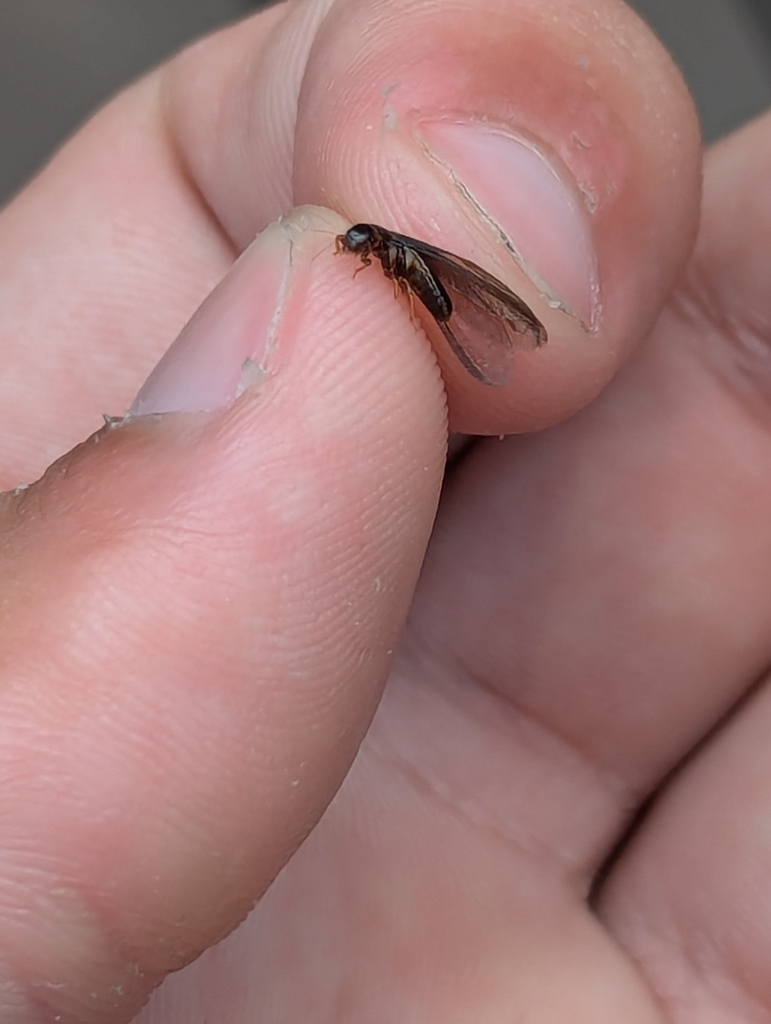
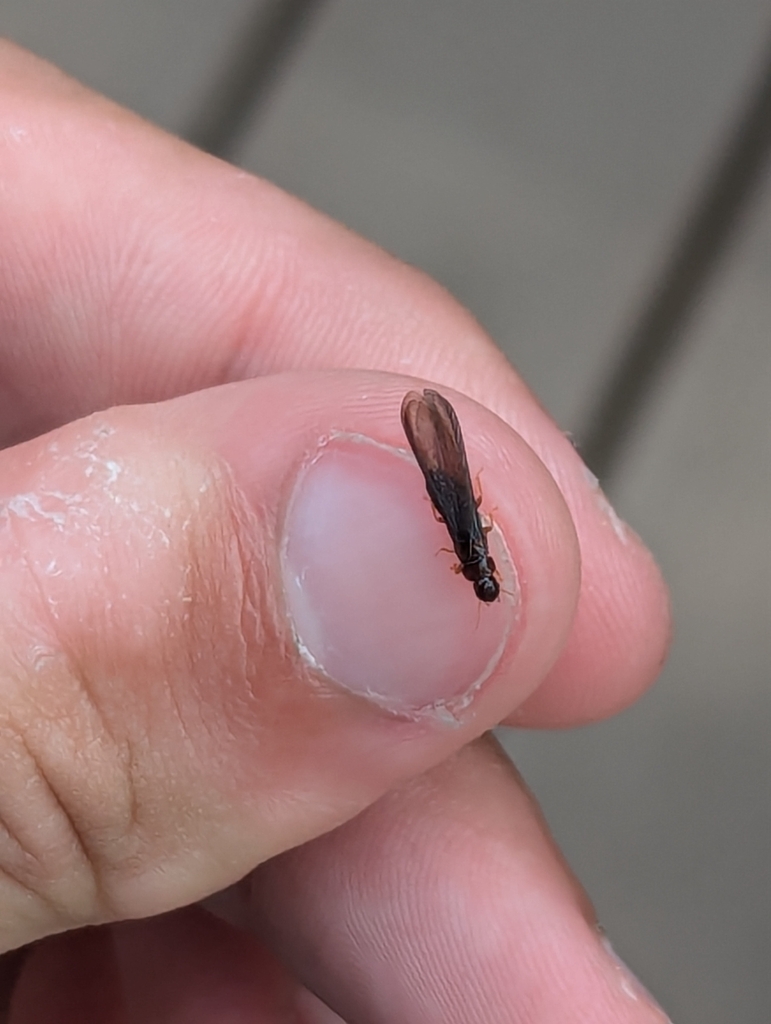
Photographs 199 photos · 7 species
Freely licensed photos; click to enlarge. This preview shows 6 photos; to browse by species, open “All photos”. Photos are hotlinked from iNaturalist / Wikimedia Commons; the rights stay with the photographers.
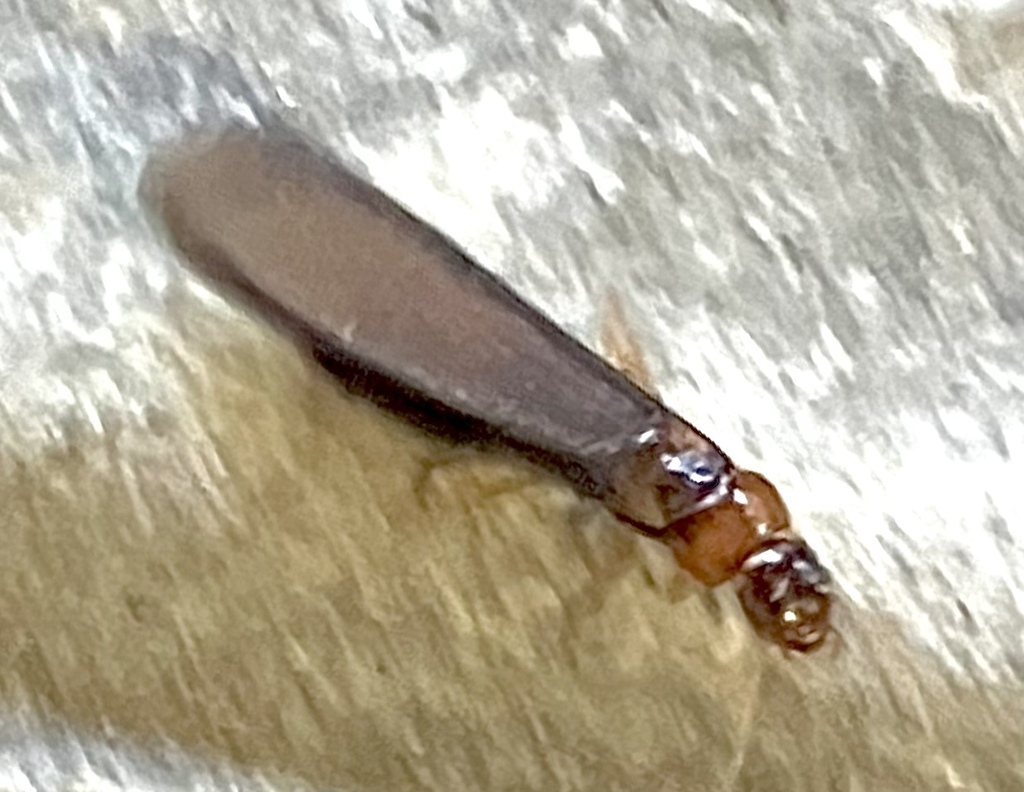
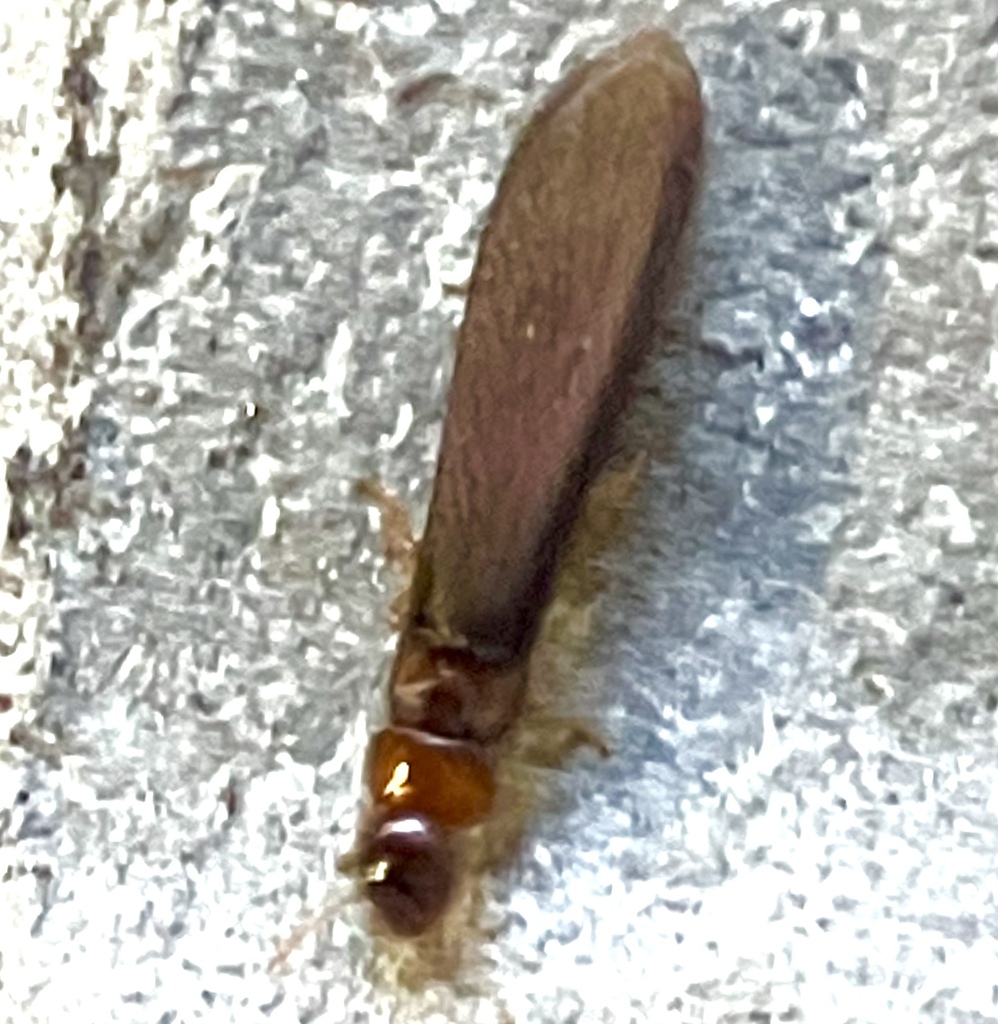
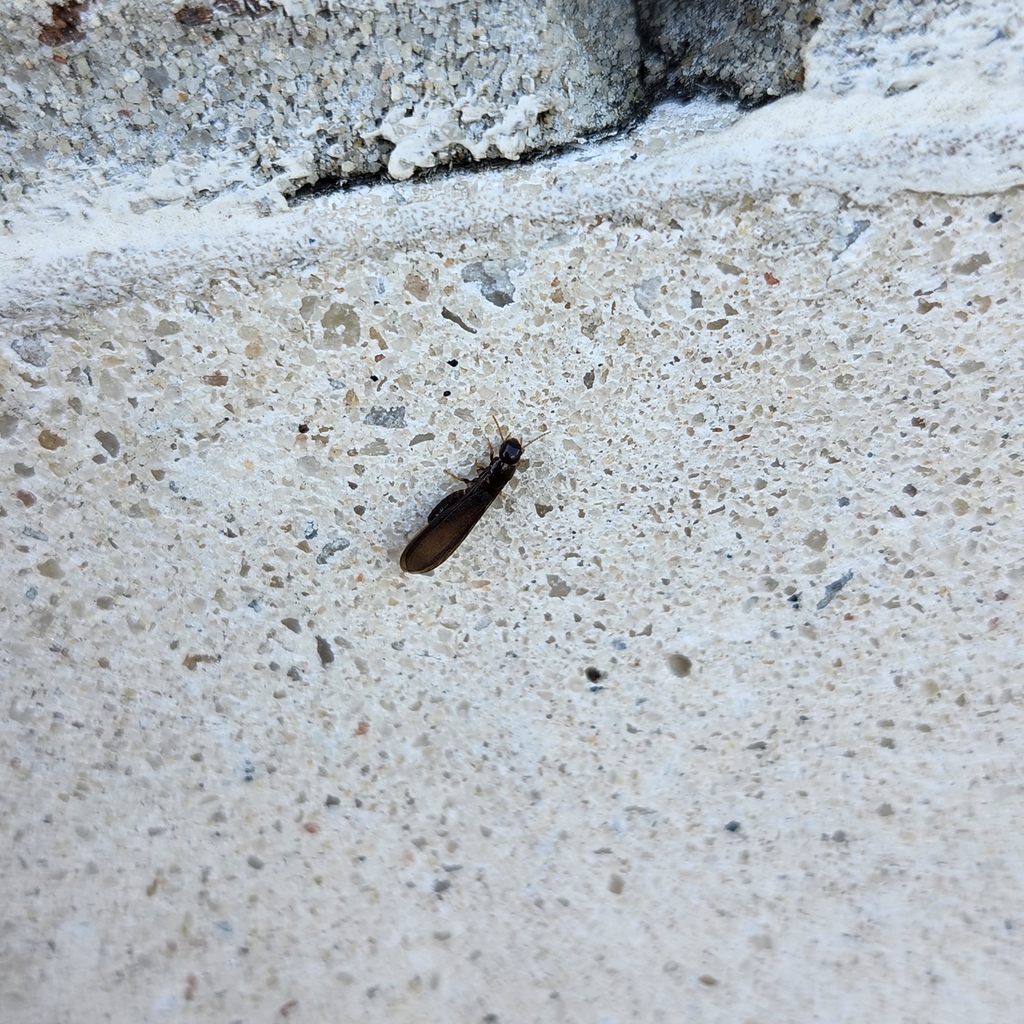
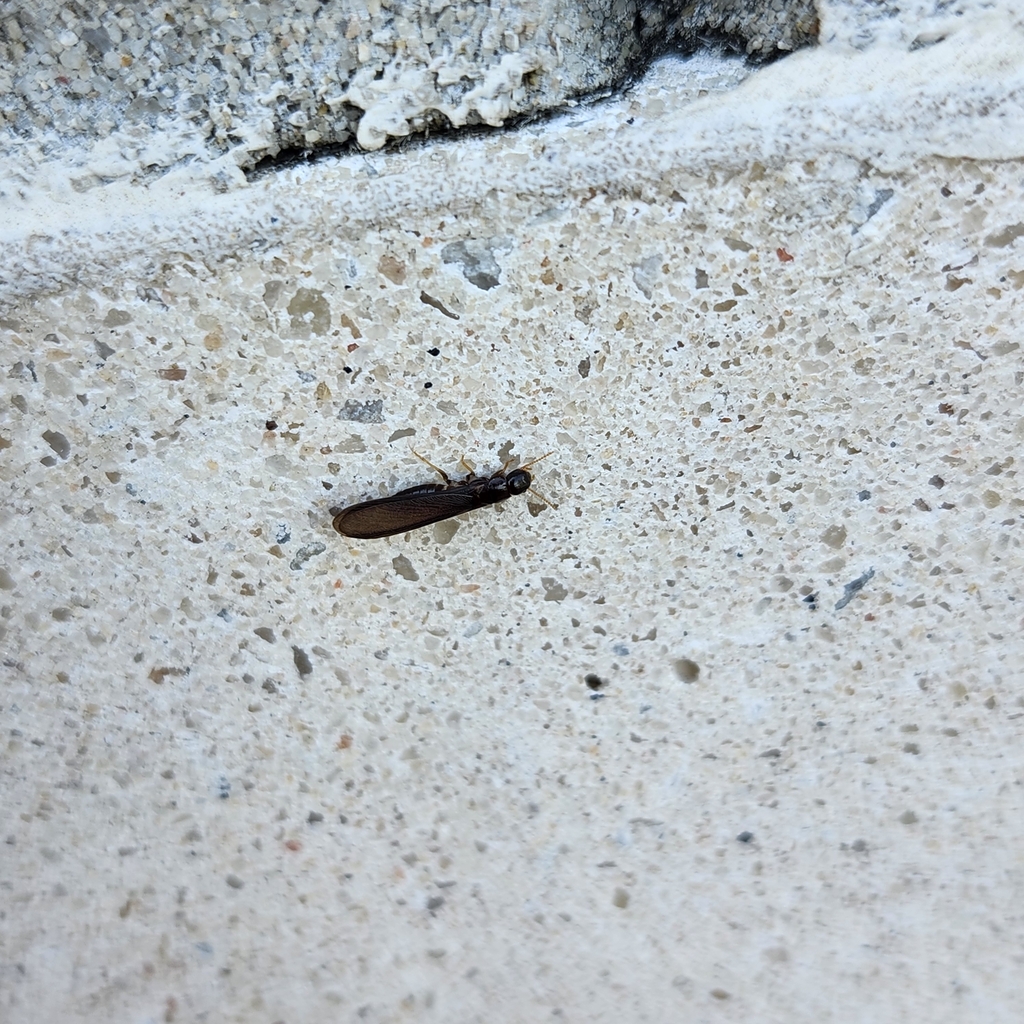
About the genus
This genus belongs to the family Kalotermitidae 木白蚁科; the site records 21 species, 2 subspecies.
Type species: Kalotermes flavicollis.
This page includes a distribution map for the genus (GBIF records aggregated on a 1° grid); open a species entry to see its type locality, distribution, and references.
Etymology
From Greek kalos (beautiful) + Latin termes.
The etymologies in this section are analytical breakdowns; the roots follow Brown (1956).
Fauna Sinica account
The account below is a reorganized and rewritten adaptation of the genus-level description in Fauna Sinica, Insecta Vol. 17, Isoptera (2000) (generic description in the original book's section on Kalotermes, reorganised and rewritten); the source keys and measurement tables are not reproduced here.
Morphology
Key characters
Soldier head large, rectangular, the two sides rather flat; mandibles stout, longer than half the head length, the inner margin with many teeth of unequal size; antennae with thirteen to eighteen segments, the third swollen; tibial spur formula 3:3:3.
Soldier
Soldier head large, rectangular, the two sides rather flat, the dorsal margin straight in lateral view. Frons slightly projecting, sloping towards the clypeus. Mandibles stout and somewhat elongate, longer than half the head length, the inner margin bearing many teeth of unequal size. Antennae with thirteen to eighteen segments, the third distinctly enlarged. Pale eye spots visible behind the antennal sockets. Postmentum somewhat elongate, the waist at the middle or slightly behind it, the widest part with the two sides nearly parallel in the anterior two-thirds, slightly concave in the middle. Pronotum broad and flat, the median notch of the anterior margin wide and shallow, the two sides nearly parallel, the middle of the posterior margin slightly concave. Femora thick, legs short, with three tibial spurs, formula 3:3:3.
Alate
Alate head slightly convex, the lateral margins parallel, the posterior margin broadly arcuate, outline nearly quadrilateral. Postclypeus extremely short, not divided into two lobes. The posterior margin of the first marginal tooth of the left mandible is fused with the second marginal tooth and longer than the anterior margin of the third marginal tooth. Antennae with sixteen to nineteen segments, ocelli slightly separated from the compound eyes. Pronotum broad and flat, the notch of the anterior margin broadly arcuate, the two sides slightly parallel and symmetrical, the posterior margin broad, the median notch shallow and wide. The anterior margin of the forewing scale projecting, longer than or equal to the pronotum and much larger than the hindwing scale. Rs divided into several branches. The media of the forewing not sclerotised, arising within the wing scale of Cu and running between Rs and Cu. Legs very short, tibial spur formula 3:3:3, with an arolium, cerci indistinct.
Distribution
Oriental Region; species of this genus are recorded from every province and autonomous region of southern China.
Summary
Kalotermes soldiers have a large rectangular head with flat sides, and stout mandibles longer than half the head whose inner margins carry several unequal teeth. Antennae number thirteen to eighteen segments with an enlarged third, and a pale eye spot lies behind the antennal fossa. The pronotum is broad and flat with a wide shallow notch. Alates have a nearly quadrangular head, sixteen to nineteen antennal segments, a very short undivided postclypeus, and projecting forewing scales longer than the pronotum.
Sources cited: Huang Fusheng, Zhu Shimo, Ping Zhengming, Wang Zhiguo, Li Can and Xu Chungui, 2000. Fauna Sinica, Insecta Vol. 17, Isoptera. Beijing: Science Press. This text is a reorganized adaptation, not a verbatim transcription.
Literature notes
Edited notes based on the original literature, not transcriptions. The source markers in each paragraph point to archived records in .sources; full citations are listed below.
Early history of the genus name
According to Cheng Dongbao and Yang Zhaofen's Termitology (2014), the first genus of Isoptera to be named was Termes, named by Linnaeus in 1758; Kalotermes was named by Hagen in 1853 and is one of the earliest-named batch of termite genera. The same passage also mentions that Hodotermes and Rhinotermes were likewise named by Hagen in 1853, while the genera Dongbaiyan and Zhoubaiyan (Chinese-language genus names; the source gives no Latin equivalents) were named in 1858.
Coprolite fossils from New Zealand
According to the abstract of Kaulfuß et al. (2010), before the Early Miocene stolotermitid forewing was described the only fossil termite evidence from New Zealand was silicified faecal pellets assignable to a species of Kalotermes (not covered by this list); pellets preserve no wing venation or other diagnostic characters, so their identification is less precise than that of body fossils.
References
Species (21 species, 2 subspecies)
- Kalotermes aemulus Sewell & Gay, 1978 竞争木白蚁
- Kalotermes approximatus Snyder, 1920 邻近木白蚁
- Kalotermes atratus Hill, 1933 黑色木白蚁
- Kalotermes banksiae Hill, 1942 山龙眼木白蚁
- Kalotermes brouni Froggatt, 1897 布龙木白蚁
- Kalotermes capicola Coaton, 1949 开普敦木白蚁
- Kalotermes cognatus Gay, 1976 共生木白蚁
- Kalotermes convexus Walker, 1853 凸木白蚁
- Kalotermes dispar Grassé, 1938 不同木白蚁
- Kalotermes flavicollis Fabricius, 1793 黄颈木白蚁 ★ Type species
- Kalotermes gracilignathus Emerson, 1924 细颚木白蚁
- Kalotermes hilli Emerson, 1949 希尔木白蚁
- Kalotermes isaloensis Cachan, 1949 伊萨卢木白蚁
- Kalotermes italicus Ghesini & Marini, 2013 意大利木白蚁
- Kalotermes jepsoni Kemner, 1932 杰普森木白蚁
- Kalotermes monticola Sjöstedt, 1925 山栖木白蚁
- Kalotermes pallidinotum Hill, 1942 白背木白蚁
- Kalotermes phoeniciae Ghesini & Marini, 2015 腓尼基木白蚁
- Kalotermes rufinotum Hill, 1925 红背木白蚁
- Kalotermes serrulatus Gay, 1977 细锯齿木白蚁
- Kalotermes umtatae Coaton, 1949 乌姆塔塔木白蚁
- Kalotermes monticola brachycephala Sjöstedt, 1926 短头亚种
- Kalotermes monticola monticola Sjöstedt, 1925 指名亚种
Parent level: Checklist index · Kalotermitidae 木白蚁科 · Data & downloads