Genus Schedorhinotermes · 长鼻白蚁属
Filter the taxa recorded under this genus by name and locality; for the whole site use the full-text search.
Distribution map
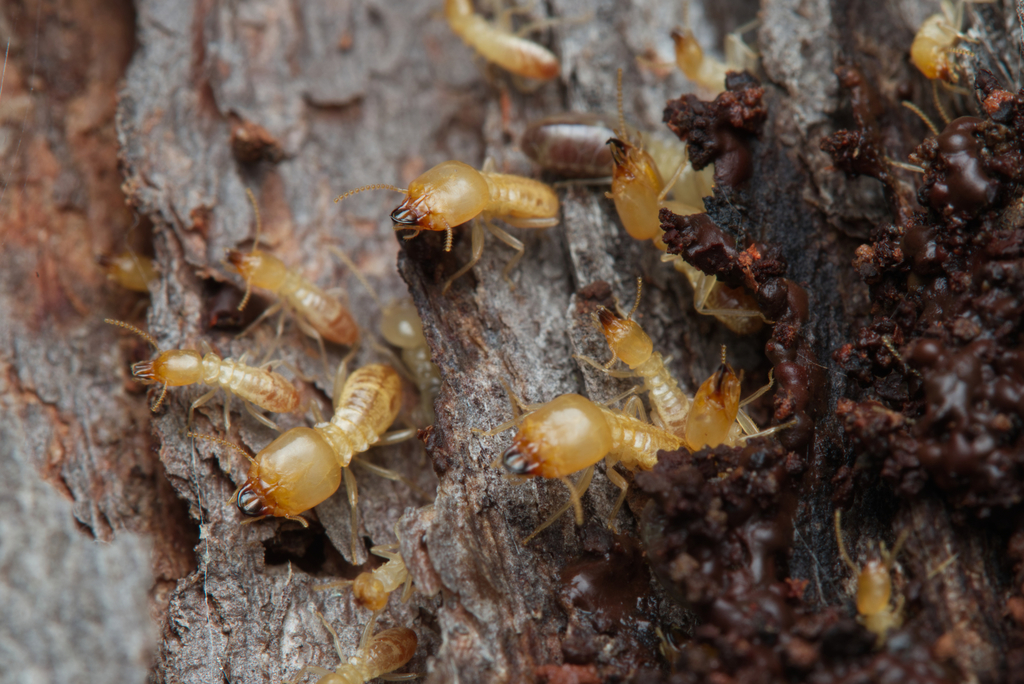
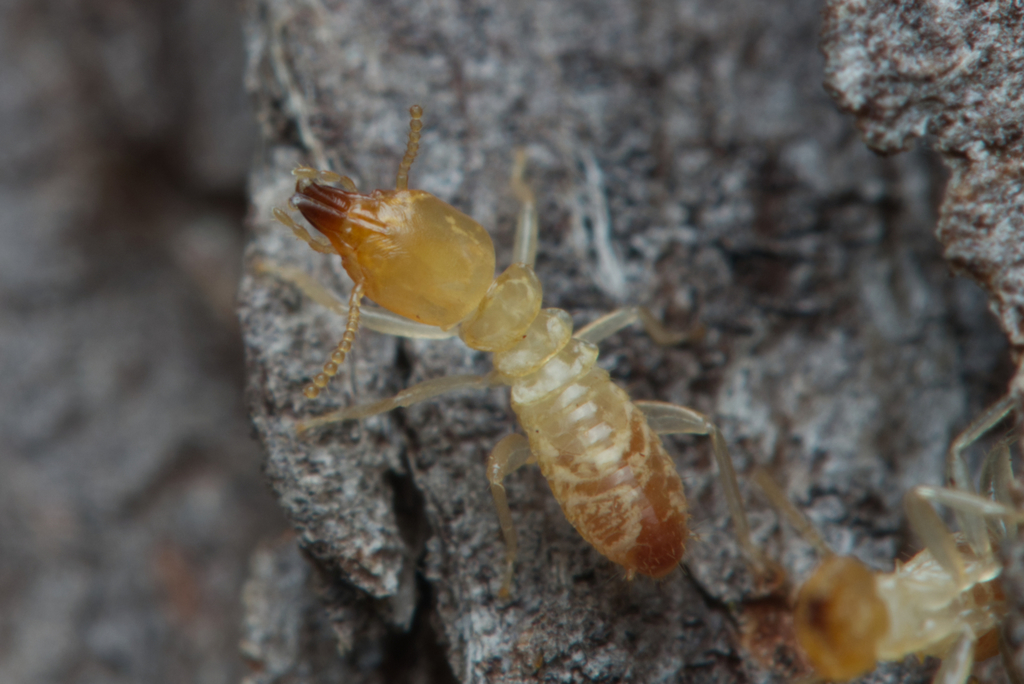
Photographs 61 photos · 4 species
Freely licensed photos; click to enlarge. This preview shows 6 photos; to browse by species, open “All photos”. Photos are hotlinked from iNaturalist / Wikimedia Commons; the rights stay with the photographers.
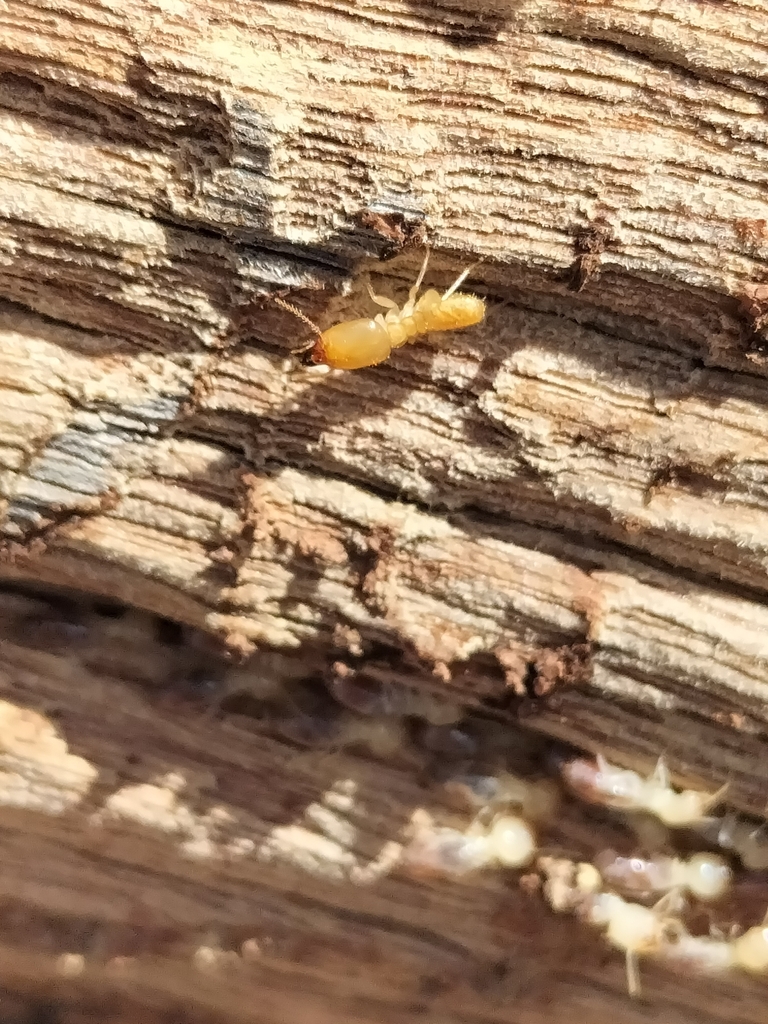
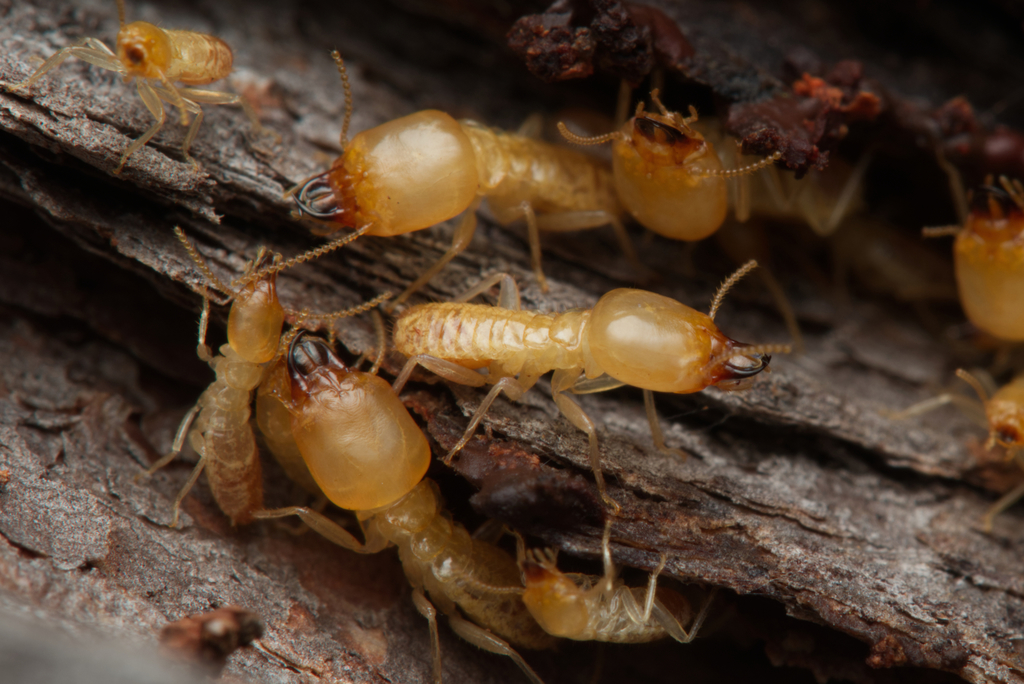
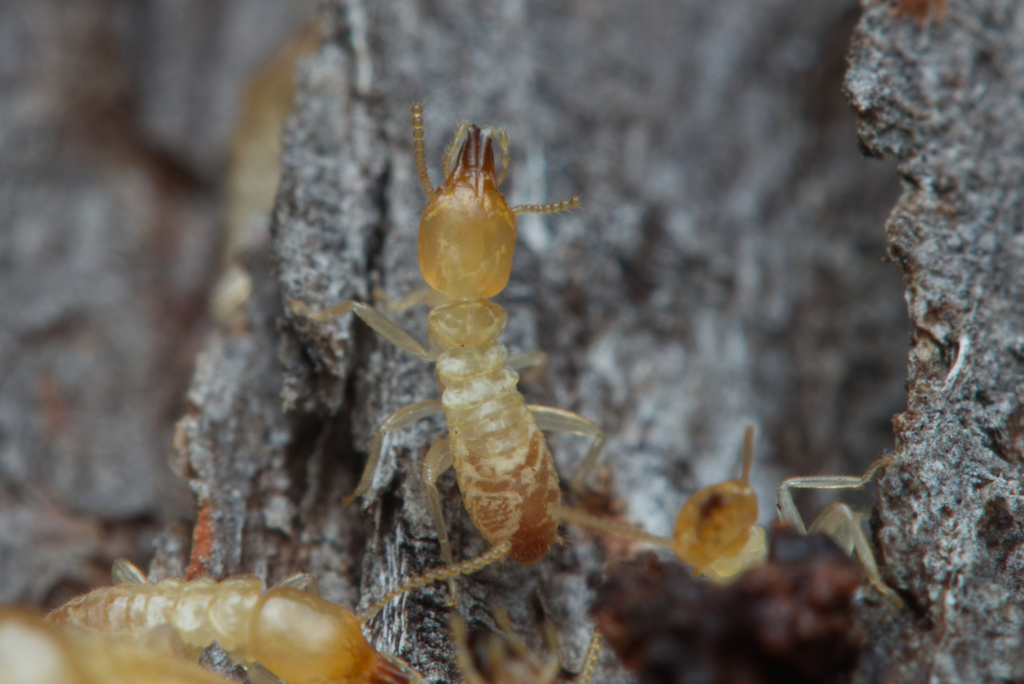
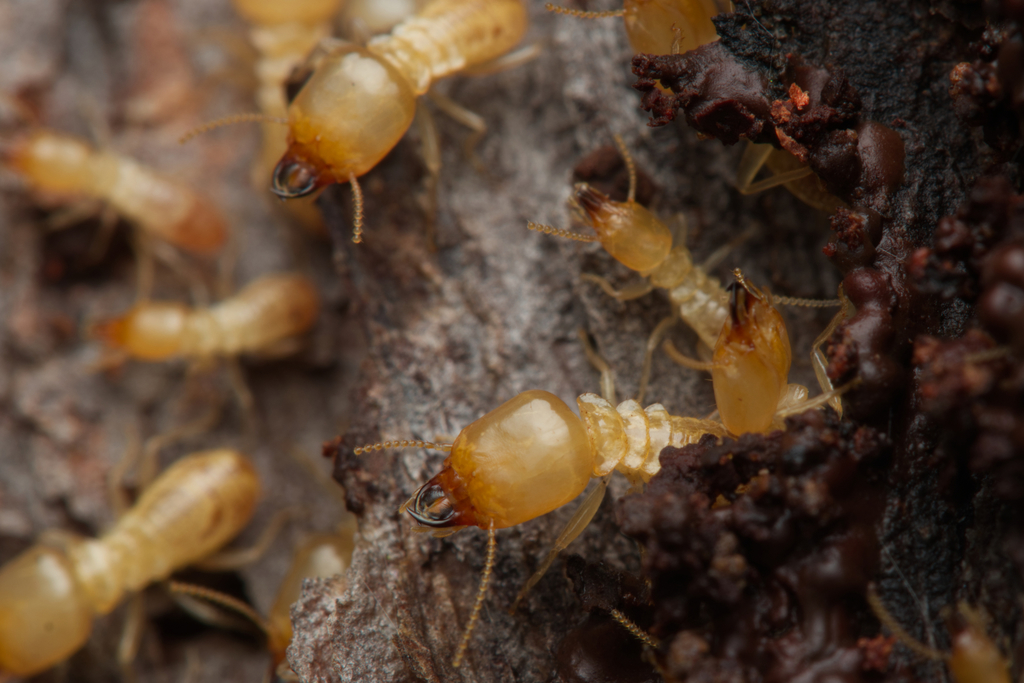
About the genus
This genus belongs to the family Rhinotermitidae 鼻白蚁科; the site records 35 species.
Type species: Schedorhinotermes intermedius.
This page includes a distribution map for the genus (GBIF records aggregated on a 1° grid); open a species entry to see its type locality, distribution, and references.
Etymology
From Greek schedon (near) + rhis (nose) + Latin termes.
The etymologies in this section are analytical breakdowns; the roots follow Brown (1956).
Fauna Sinica account
The account below is a reorganized and rewritten adaptation of the genus-level description in Fauna Sinica, Insecta Vol. 17, Isoptera (2000) (the genus-level account of Schedorhinotermes in the original book, reorganised and rewritten); the source keys and measurement tables are not reproduced here.
Morphology
Key characters
Soldier dimorphic: the head of the major soldier is short and broad, nearly square, that of the minor soldier slightly narrow and long; fontanelle circular, its opening situated between the antennal sockets, the longitudinal groove in front of the pore reaching the tip of the labrum; antennae of the major soldier 16–17-segmented, of the minor 13–16-segmented. In an individual Australian species (S. seclusus) the soldier is trimorphic.
Soldier
Soldier in two forms, major and minor. The major soldier has a short, broad, nearly square head; the fontanelle pore is circular, its opening between the antennal sockets, and the longitudinal groove in front of the pore reaches the tip of the labrum. Mandibles strong, either thick or flattened and broad, the anterior part curved inwards, with two large teeth on the inner margin of the left mandible and two teeth on the inner margin of the right mandible. Labrum rather short and broad, the sides of its middle slightly convex outwards so that it appears hexagonal, the anterior margin slightly concave at the middle, the tip with a transparent area, the anterior margin bearing a row of brush-like short hairs; antennae 16–17-segmented. The minor soldier has a slightly narrow and long head; the mandibles are slender and straighter, only slightly curved at the apex, with two marginal teeth on the inner margin of the left mandible and one on the right; the labrum is narrower and longer, its sides constricted waist-like at the middle, the transparent area at the tip slightly concave at the centre, the notch flanked by two rounded lobes; antennae 13–16-segmented. The Australian species S. seclusus is an exception, its soldiers being further divided into a medium form, so that they are trimorphic (major, medium and minor) (first reported by Miller 1987).
Alate
Alate head capsule nearly circular, its fontanelle situated slightly in front of the midline of the vertex. Left mandible with three marginal teeth, the second distinctly shorter than the first and the third; right mandible with two marginal teeth, with an additional submarginal tooth in front of the first. Labrum broadly rounded, postclypeus convex with its apex projecting forwards. Antennae 20–22-segmented, the third segment longer than the second. The anterior margin of the pronotum projects slightly at the middle, the anterior part of the lateral margins is broad and the posterior part gradually narrows, so that together with the posterior margin they enclose a semicircle. Wings short and broad, the forewing scale larger, its media arising independently from the outer side of the basal suture, whereas the media of the hindwing arises from the radial sector and runs close to the cubitus, the cross-veins between them uniting into a network.
Biology and economic significance
Schedorhinotermes mainly damages living trees and fallen dead logs, and also attacks hard upright wooden utility poles as well as wooden members near the ground in buildings. Nests are generally built inside trees or in hollows in the middle of the trunk.
Distribution
Oriental region; six species known from China, mostly distributed in the Xishuangbanna and Simao areas of Yunnan, also recorded from Guangxi.
Summary
Schedorhinotermes has dimorphic soldiers. Majors have a short, broad, almost square head with a round fontanelle opening between the antennal fossae, a groove running to the labral tip, stout mandibles with two large teeth on the left and two on the right, and sixteen or seventeen antennal segments. Minors are slender, with straighter mandibles bearing two and one teeth and thirteen to sixteen antennal segments. The species damage living trees, logs, poles and timber near the ground. An Australian species, S. seclusus, is exceptional in having trimorphic soldiers (major, intermediate and minor; first reported by Miller 1987).
Taxonomic note: Schedorhinotermes maximus, mentioned in the original book, was removed by Krishna in 1970 on Emerson's advice and established in the separate genus Macrorhinotermes.
Sources cited: Huang Fusheng, Zhu Shimo, Ping Zhengming, Wang Zhiguo, Li Can and Xu Chungui, 2000. Fauna Sinica, Insecta Vol. 17, Isoptera. Beijing: Science Press. This text is a reorganized adaptation, not a verbatim transcription.
Species (35)
- Schedorhinotermes actuosus Hill, 1933 活跃长鼻白蚁
- Schedorhinotermes bidentatus Oshima, 1920 双齿长鼻白蚁
- Schedorhinotermes brachyceps Kemner, 1931 短头长鼻白蚁
- Schedorhinotermes breinli Hill, 1921 布赖内尔长鼻白蚁
- Schedorhinotermes brevialatus Haviland, 1898 短翅长鼻白蚁
- Schedorhinotermes butteli Holmgren, 1914 巴特尔长鼻白蚁
- Schedorhinotermes derosus Hill, 1933 流浪长鼻白蚁
- Schedorhinotermes eleanorae Roonwal & Bose, 1970 埃莉诺长鼻白蚁
- Schedorhinotermes fortignathus Xia & He, 1980 强颚长鼻白蚁
- Schedorhinotermes ganlanbaensis Xia & He, 1980 橄榄坝长鼻白蚁
- Schedorhinotermes holmgreni Emerson, 1949 霍姆格伦长鼻白蚁
- Schedorhinotermes insolitus Xia & He, 1980 异盟长鼻白蚁
- Schedorhinotermes intermedius Brauer, 1865 中间长鼻白蚁 ★ Type species
- Schedorhinotermes lamanianus Sjöstedt, 1911 拉曼长鼻白蚁
- Schedorhinotermes leopoldi Kemner, 1933 利奥波德长鼻白蚁
- Schedorhinotermes longirostris Brauer, 1866 长喙长鼻白蚁
- Schedorhinotermes magnus Tsai & Chen, 1963 大长鼻白蚁
- Schedorhinotermes makassarensis Kemner, 1934 望加锡长鼻白蚁
- Schedorhinotermes makilingensis Acda, 2007 马吉岭长鼻白蚁
- Schedorhinotermes malaccensis Holmgren, 1913 马六甲长鼻白蚁
- Schedorhinotermes maximus Holmgren, 1913 最大长鼻白蚁
- Schedorhinotermes medioobscurus Holmgren, 1914 中暗长鼻白蚁
- Schedorhinotermes nancowriensis Maiti & Chakraborty, 1994 楠考里长鼻白蚁
- Schedorhinotermes putorius Sjöstedt, 1896 臭鼬长鼻白蚁
- Schedorhinotermes pyricephalus Xia & He, 1980 梨头长鼻白蚁
- Schedorhinotermes rectangularis Ahmad, 1965 直角长鼻白蚁
- Schedorhinotermes reticulatus Froggatt, 1897 网状长鼻白蚁
- Schedorhinotermes robustior Silvestri, 1909 强壮长鼻白蚁
- Schedorhinotermes sanctaecrucis Snyder, 1925 圣克鲁斯长鼻白蚁
- Schedorhinotermes seclusus Hill, 1933 隐遁长鼻白蚁
- Schedorhinotermes solomonensis Snyder, 1925 所罗门长鼻白蚁
- Schedorhinotermes tenuis Oshima, 1923 细瘦长鼻白蚁
- Schedorhinotermes tiwarii Roonwal & Thakur, 1963 蒂瓦里长鼻白蚁
- Schedorhinotermes translucens Haviland, 1898 透明长鼻白蚁
- Schedorhinotermes umbraticus Hill, 1927 隐蔽长鼻白蚁
Parent level: Checklist index · Rhinotermitidae 鼻白蚁科 · Data & downloads