Coptotermes gestroi 格斯特乳白蚁
- Type locality
- Myanmar: Bhamo
- Distribution
- Southeast Asia (Indonesia, Malaysia, native to the Philippines), Bangladesh, Bhutan, Cambodia, Timor-Leste, Myanmar, Nepal, Oman, Pakistan, Singapore, Sri Lanka, Thailand, Vietnam; widespread in the tropics, introduced to Antigua and Barbuda, Australia, Bahamas, Barbados, Brazil, Cayman Islands, China, Comoros, Cuba, Egypt, Grenada, Guam (United States), Haiti, Hawaii (United States), India, Jamaica, Madagascar, Mauritius, Mexico, Micronesia, Montserrat, New Caledonia (France), Northern Mariana Islands, Paraguay, French Polynesia, Puerto Rico, Réunion (France), Saint Kitts and Nevis and Anguilla, Saint Lucia, Taiwan, Turks and Caicos Islands, United Arab Emirates, United States, British Virgin Islands
List: English (genus page) · 中文 · Español
Summary
Coptotermes gestroi is a species and the type species of the genus Coptotermes, in the family HETEROTERMITIDAE. The species was described by Wasmann in 1896; the type locality is Myanmar: Bhamo. Distribution: Southeast Asia (Indonesia, Malaysia, native to the Philippines), Bangladesh, Bhutan, Cambodia, Timor-Leste, Myanmar, Nepal, Oman, Pakistan, Singapore, Sri Lanka, Thailand, Vietnam; widespread in the tropics, introduced to Antigua and Barbuda, Australia, Bahamas, Barbados, Brazil, Cayman Islands, China, Comoros, Cuba, Egypt, Grenada, Guam (United States), Haiti, Hawaii (United States), India, Jamaica, Madagascar, Mauritius, Mexico, Micronesia, Montserrat, New Caledonia (France), Northern Mariana Islands, Paraguay, French Polynesia, Puerto Rico, Réunion (France), Saint Kitts and Nevis and Anguilla, Saint Lucia, Taiwan, Turks and Caicos Islands, United Arab Emirates, United States, British Virgin Islands. This site records 10 junior synonyms for the species.
Etymology
Genus name Coptotermes: From Greek koptein (to cut) + Latin termes.
Specific epithet gestroi: Named after R. Gestro
Taxonomic position
- Family: HETEROTERMITIDAE — 3 genera, 229 species
- Genus: Coptotermes — 58 species
Distribution
- Distribution records: Southeast Asia (Indonesia, Malaysia, native to the Philippines), Bangladesh, Bhutan, Cambodia, Timor-Leste, Myanmar, Nepal, Oman, Pakistan, Singapore, Sri Lanka, Thailand, Vietnam; widespread in the tropics, introduced to Antigua and Barbuda, Australia, Bahamas, Barbados, Brazil, Cayman Islands, China, Comoros, Cuba, Egypt, Grenada, Guam (United States), Haiti, Hawaii (United States), India, Jamaica, Madagascar, Mauritius, Mexico, Micronesia, Montserrat, New Caledonia (France), Northern Mariana Islands, Paraguay, French Polynesia, Puerto Rico, Réunion (France), Saint Kitts and Nevis and Anguilla, Saint Lucia, Taiwan, Turks and Caicos Islands, United Arab Emirates, United States, British Virgin Islands
The record above follows the wording of the original data; no geocoding or standardized place names have been applied.
Junior synonyms
This site records 10 junior synonyms for the species, listed by their original literature source:
- Arrhinotermes heimi Wasmann, 1902: 104 — type locality: India: Maharashtra: Ahmednagar District: Wallon
- Coptotermes havilandi Holmgren, 1911: 192 — type locality: Thailand: Hinlap
- Coptotermes parvulus Holmgren, 1913: 104 — type locality: India: Gujarat: Anand
- Coptotermes vastator Light, 1929: 422-449 — type locality: Gujarat: Vadtal
- Coptotermes pacificus Light, 1932: 84-86 — type locality: Philippines: Luzon: Manila
- Coptotermes javanicus Kemner, 1934: 59-61 — type locality: Polynesia (French): Marquesas: Hivaoa, Atuona
- Coptotermes monosetosus menglunensis Tsai & Huang in Tsai et al., 1985: 104-105, 114 — type locality: Indonesia: Java: Bogor
- Coptotermes (Oligocrinitermes) cochlearus Xia & He, 1986: 169-170, 180 — type locality: Java: Semarang
- Coptotermes (Oligocrinitermes) obliquus Xia & He, 1986: 172-174, 181, 182 — type locality: China: Yunnan Province: Jinghong County: Menglun Com
- Coptotermes yaxianensis Li, 1986: 225-226 — type locality: China: Yunnan Province: Jinghong
In older literature, regional checklists and database searches, this species may appear under the synonyms above (Arrhinotermes heimi, Coptotermes havilandi, Coptotermes parvulus, Coptotermes vastator, Coptotermes pacificus, Coptotermes javanicus, Coptotermes monosetosus menglunensis, Coptotermes (Oligocrinitermes) cochlearus); this site treats them all under Coptotermes gestroi.
Recorded in Fauna Sinica
The morphological and biological accounts below are taken from Fauna Sinica and related literature; only structure and punctuation have been standardized here.
Abstract (from the source)
The Chinese termite volume lists Coptotermes gestroi from Zhangfeng in Longchuan and the Hongguang farm at Yuanjiang, Yunnan, and from Burma, Thailand, Malaya, Singapore and India, but gives no description of the soldier, the alate or the worker. Recognition therefore depends on the genus, whose soldiers have sabre-shaped mandibles and a frontal gland opening on a short tube, and whose alates show a reticulate wing membrane.
Biology
Distribution and locality
Zhangfeng, Longchuan and Hongguang Farm, Yuanjiang, Yunnan; abroad recorded from Myanmar, Thailand, Malaya, Singapore and India.
Taxonomic notes
Source: Huang Fusheng et al. (2000), Fauna Sinica, Insecta vol. 17, Isoptera, Science Press. (entry no. 84 in the original work) Entries are cited by their number in the original work.
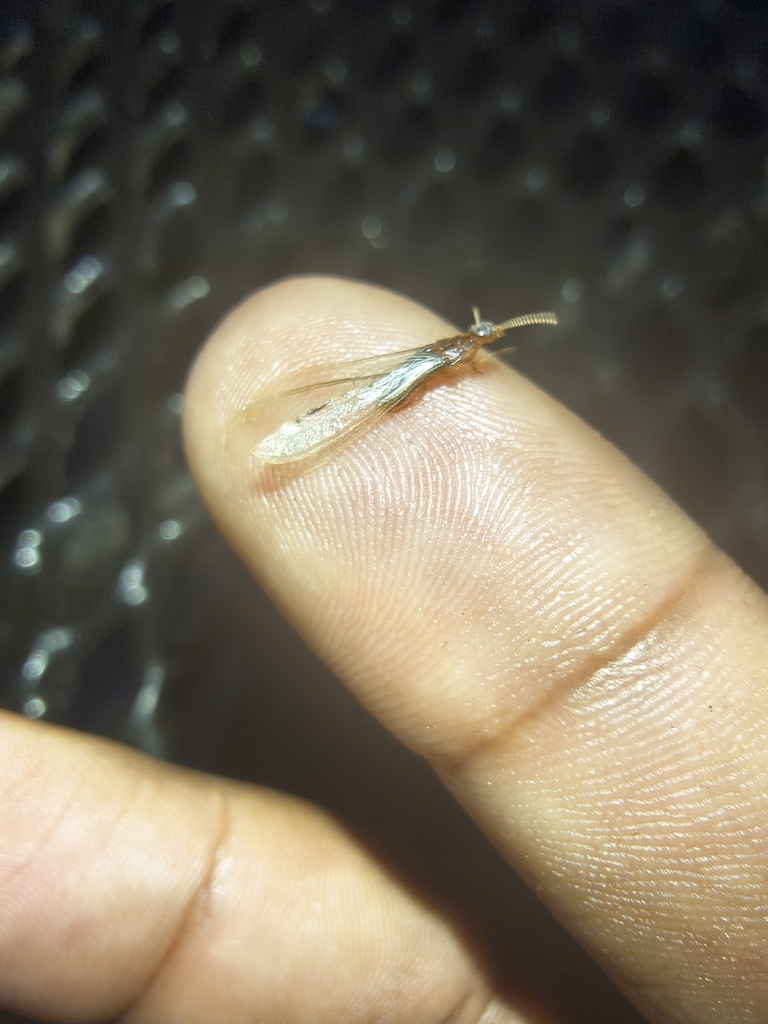
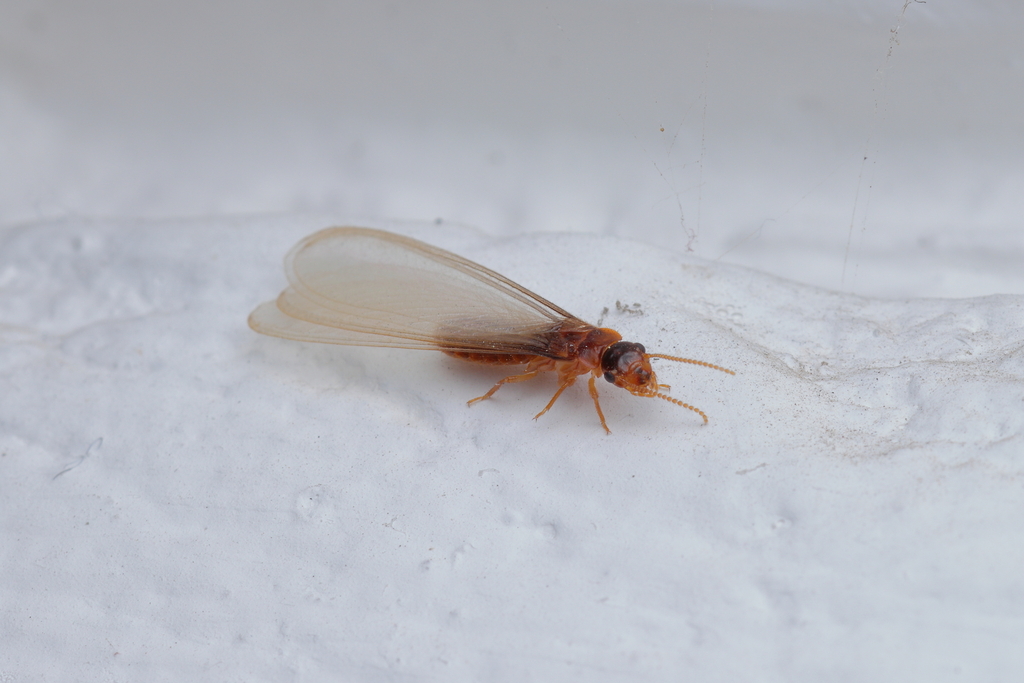
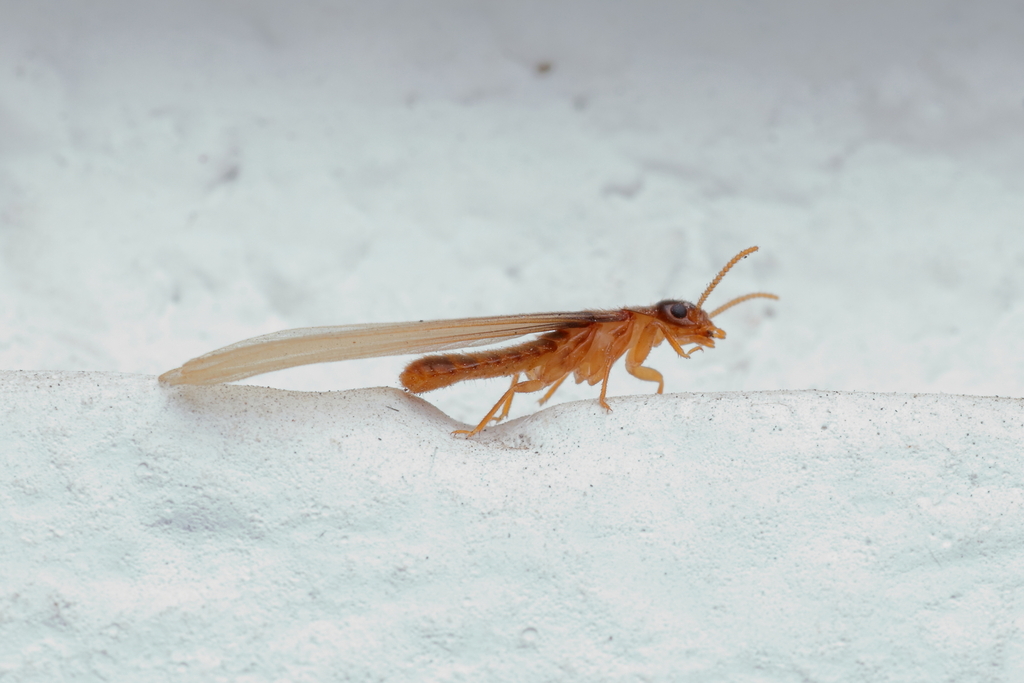
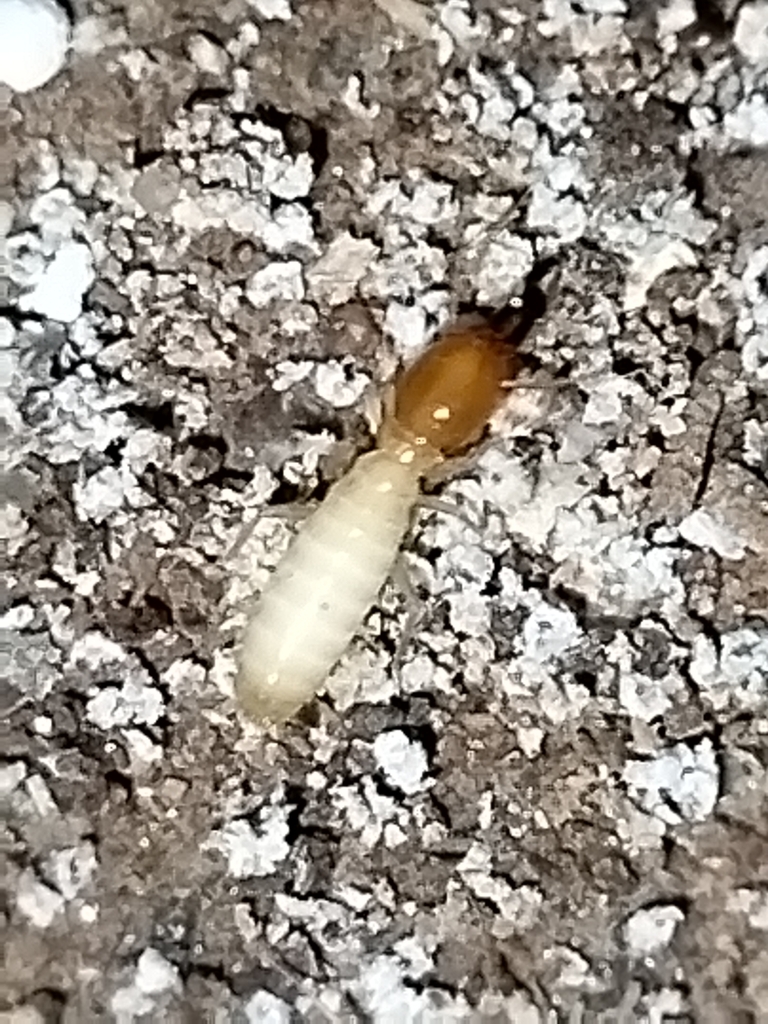
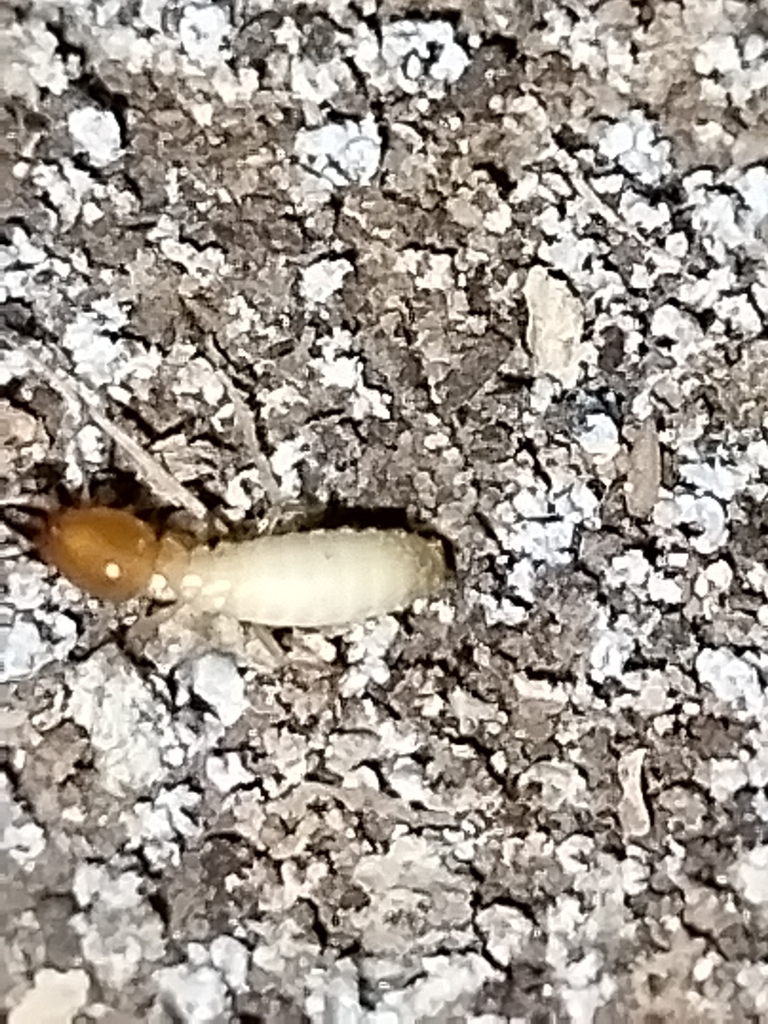
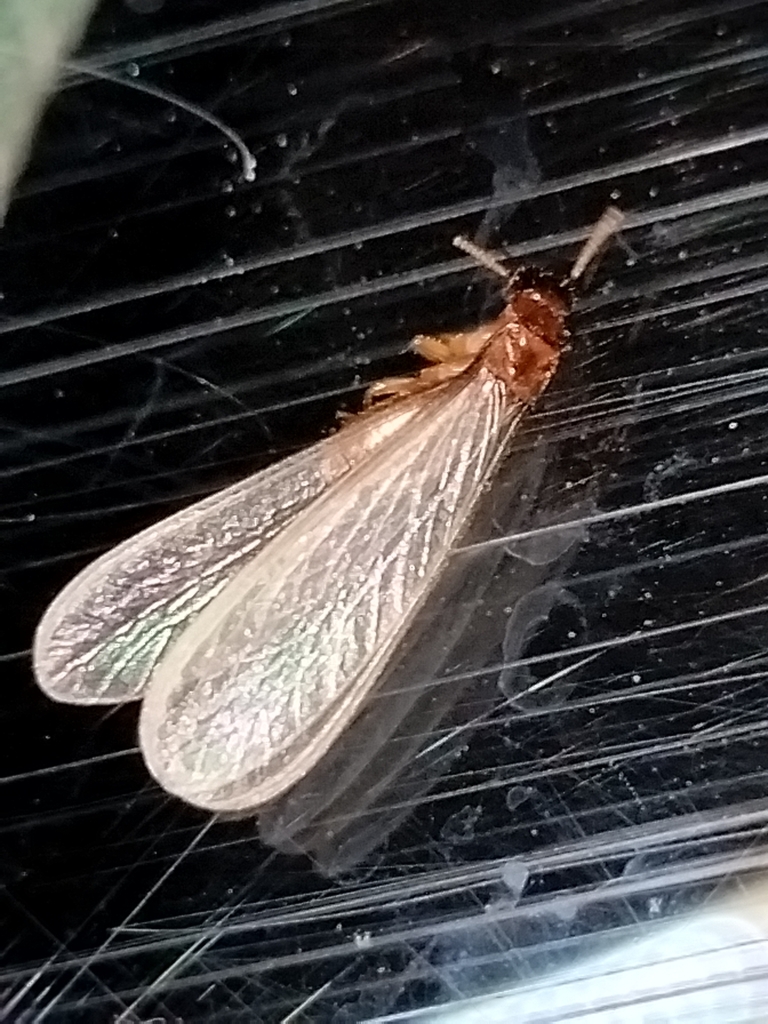
Photos 32 photos
Freely licensed photos, click to enlarge. Hotlinked from iNaturalist / Wikimedia Commons; the rights stay with the photographers — author, licence and source page are shown under each photo. Only the first 6 are shown here; the rest are under “All photos” at the end of the page.
Distribution map
Aggregated from GBIF occurrence records on a 1° grid; only extant taxa of this checklist are used, so fossil records are excluded. Dot size and shade show the number of records inside a cell.
Related papers
Cached papers for this genus (matched automatically, for reference); to search this species with its junior synonyms merged in, use the literature search.
- Phylogeography of Coptotermes gestroi and Coptotermes formosanus (Isoptera: Rhinotermitidae) in Taiwan
Abstract
Abstract The Formosan subterranean termite, Coptotermes formosanus Shiraki (Isoptera: Rhinotermitidae), is primarily reported from subtropical and warm temperate regions, whereas Coptotermes gestroi (Wasmann) is reported from many areas of the tropics. Taiwan is one of a few areas where the distributions of the two species overlap. By analyzing partial mitochondrial sequences of COII, 12S rRNA, and 16S rRNA, we found that most Taiwanese C. formosanus populations were closely related to Japanese and some Chinese populations and that Taiwanese C. gestroi populations were most closely related to those from the Philippines and Hawaii rather than populations from Thailand, Malaysia, Singapore, and Indonesia. The intraspecific variation of C. formosanus was 0.7–0.8% for three genes among seven Taiwanese populations, whereas all Taiwanese C. gestroi populations had identical sequences. The results support that Taiwan may be a center of origin for C. formosanus, but a recent introduction site for C. gestroi.
- Genetic Relationship Between Coptotermes gestroi and Coptotermes vastator (Isoptera: Rhinotermitidae)
Abstract
The phylogenetic relationship of Coptotermes gestroi (Wasmann) and Coptotermes vastator Light (Isoptera: Rhinotermitidae) was determined using DNA sequence comparisons of mitochondrial genes. Partial sequences of the ribosomal RNA small subunit 12S, ribosomal RNA large subunit 16S, and mitochondrial COII were obtained from nine populations of C. gestroi from South East Asia (Malaysia, Singapore, Thailand, and Indonesia) and four populations of C. vastator from the Philippines and Hawaii. In addition, four populations of Coptotermes formosanus Shiraki and Globitermes sulphureus (Haviland) were used as the outgroups. Consensus sequences were obtained and aligned. C. vastator and C. gestroi are synonymous, based on high sequence homology across the 12S, 16S, and COII genes. The interspecific pairwise sequence divergence, based on Kimura 2-parameter model between C. gestroi and C. vastator, varied only up to 0.80%. Morphometric measurements of 16 characteristics revealed numerous overlaps between the examined individuals of both species. Based on the molecular phylogenetics and morphometric data, it is proposed that C. vastator is a junior synonym of C. gestroi.
- Tunneling activity, wood consumption and survivorship of Coptotermes gestroi, Coptotermes curvignathus and Coptotermes kalshoveni (Isoptera: Rhinotermitidae) in the laboratory
Abstract
The tunneling activity, wood consumption and survivorship of three species of subterranean termites, Coptotermes gestroi (Wasmann), C. curvignathus Holmgren and C. kalshoveni Kemner were compared in the laboratory using two methods: petri dish and glass jar methods. The petri dish method consisted of a 15-cm petri dish containing 5% agar and 4 rubber wood blocks placed at positions of 0, 90, 180 and 270°. The second method consisted of a glass jar containing 200 g sand moistened with 40 ml distilled water and a piece each of rubber and pine wood on the top of the sand surface. Termites were released into the dish and jar, and allowed to tunnel freely for 28 days. At the end of the experiment, the tunneling activity was semi-quantitatively ranked, the set-up was dissembled, and termite survivorship and wood consumption rate were determined. Results suggested that C. curvignathus has the most active tunneling activity, followed by C. gestroi. On the other hand, C. kalshoveni has the least tunneling activity, but highest wood consumption rate, possibly showing a higher resource fidelity. The survivorship of the termites was >75% after the 28-day experimental period.
Papers on this species, synonyms included → OpenAlex Google Scholar CNKI
Abstracts come from open metadata; copyright remains with the original authors/publishers. For reference only — please check the original.
Literature notes
Edited notes based on the original literature, not transcriptions. The source markers in each paragraph point to archived records in .sources; full citations are listed below.
Synonymisation of the old Coptotermes name Coptotermes vastator
According to the abstract, Yeap et al. (2007) sequenced the 12S, 16S and COII mitochondrial genes of 9 Coptotermes gestroi populations from Southeast Asia (Malaysia, Singapore, Thailand, Indonesia) and 4 populations of Coptotermes vastator (an old name in Coptotermes) from the Philippines and Hawaii; interspecific sequence divergence between the two was at most 0.80%, and 16 morphological measurements overlapped extensively; on this basis Coptotermes vastator was treated as a junior synonym of Coptotermes gestroi.
References
Other species in Coptotermes (57 species)
- Coptotermes acinaciformis
- Coptotermes amanii
- Coptotermes amboinensis
- Coptotermes bannaensis
- Coptotermes beckeri
- Coptotermes bentongensis
- Coptotermes boetonensis
- Coptotermes brunneus
- Coptotermes ceylonicus
- Coptotermes chaoxianensis
- Coptotermes cooloola
- Coptotermes curvignathus
- Coptotermes cyclocoryphus
- Coptotermes dimorphus
- Coptotermes dobonicus
- Coptotermes dreghorni
- Coptotermes elisae
- Coptotermes emersoni
- Coptotermes formosanus
- Coptotermes frenchi
- Coptotermes fumipennis
- Coptotermes gambrinus
- Coptotermes gaurii
- Coptotermes grandiceps
- Coptotermes grandis
- Coptotermes guangdongensis
- Coptotermes gulangyuensis
- Coptotermes hainanensis
- Coptotermes intermedius
- Coptotermes kalshoveni
- Coptotermes kishori
- Coptotermes lacteus
- Coptotermes longignathus
- Coptotermes longistriatus
- Coptotermes mauricianus
- Coptotermes melanoistriatus
- Coptotermes menadoae
- Coptotermes michaelseni
- Coptotermes minutissimus
- Coptotermes monosetosus
57 species in this genus. See all species on the genus page →
Cite this species
Citation strings are generated from the fields of this page; please keep the DOI and the version number when citing.
GB/T 7714
班奈特格林. Extant Isoptera (termites): a checklist of Latin and Chinese names: Coptotermes gestroi 格斯特乳白蚁[EB/OL]. Version 2026.10.30. https://termite-extant-isoptera.org/en/species/coptotermes-gestroi/. DOI: 10.5281/zenodo.23646836.
BibTeX
@misc{isoptera_coptotermes_gestroi_2026,
  author       = {班奈特格林},
  title        = {Coptotermes gestroi: a checklist of extant Isoptera (termites)},
  year         = {2026},
  version      = {2026.10.30},
  howpublished = {https://termite-extant-isoptera.org/en/species/coptotermes-gestroi/},
  note         = {HETEROTERMITIDAE; version 2026.10.30; DOI: 10.5281/zenodo.23646836},
  doi          = {10.5281/zenodo.23646836}
}
RIS
TY  - ELEC
TI  - Coptotermes gestroi: a checklist of extant Isoptera (termites)
AU  - 班奈特格林
PY  - 2026
UR  - https://termite-extant-isoptera.org/en/species/coptotermes-gestroi/
DO  - 10.5281/zenodo.23646836
ER  -