Genus Amitermes · 弓白蚁属
Filter the taxa recorded under this genus by name and locality; for the whole site use the full-text search.
Distribution map
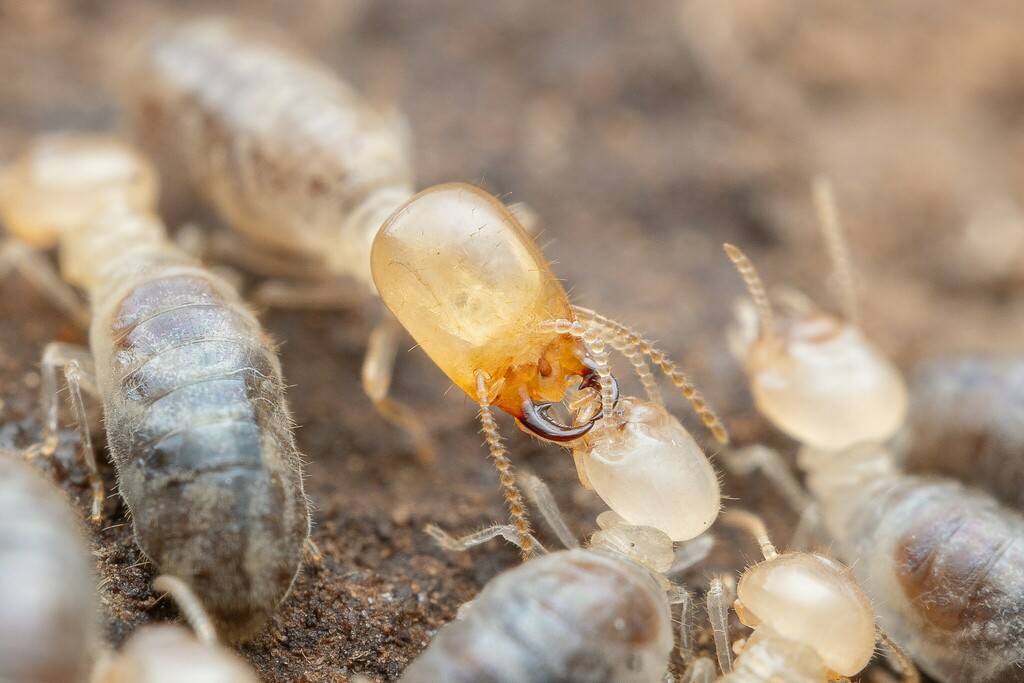
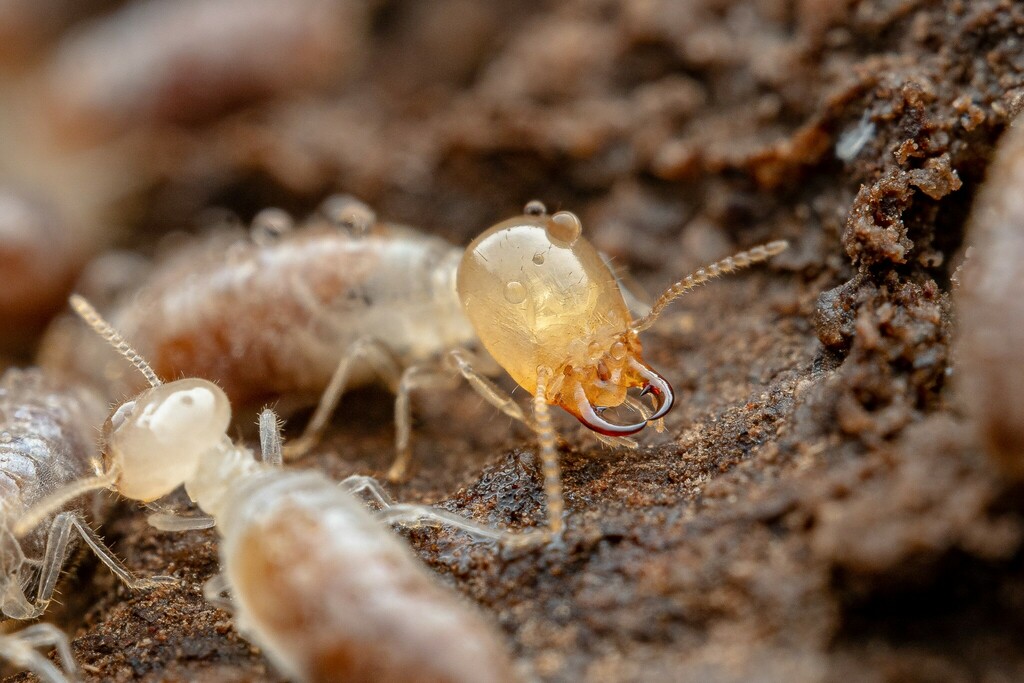
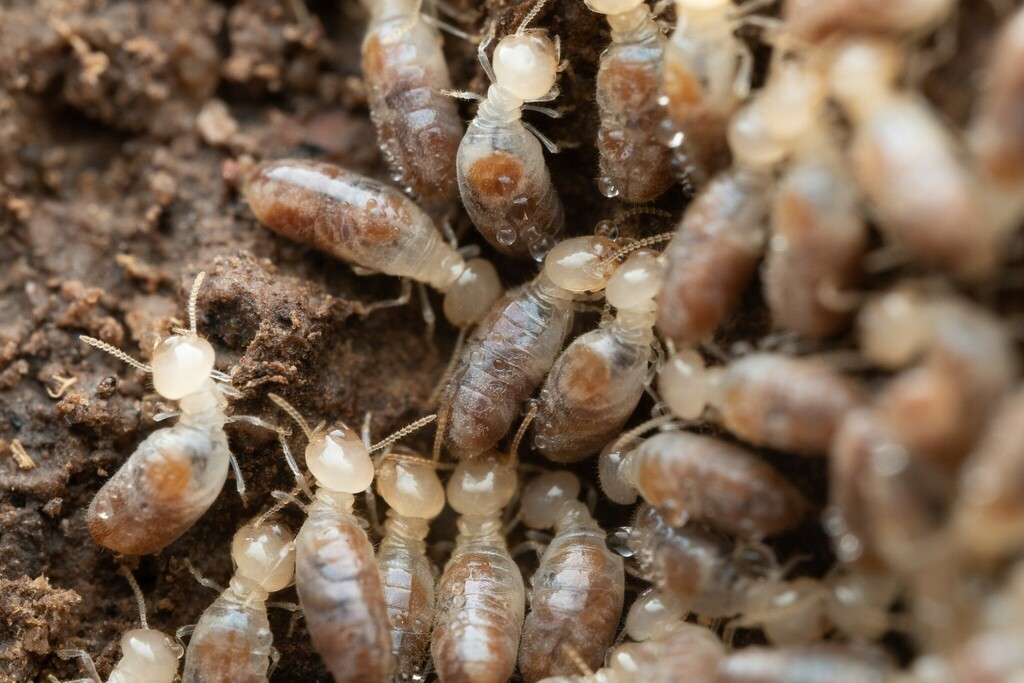
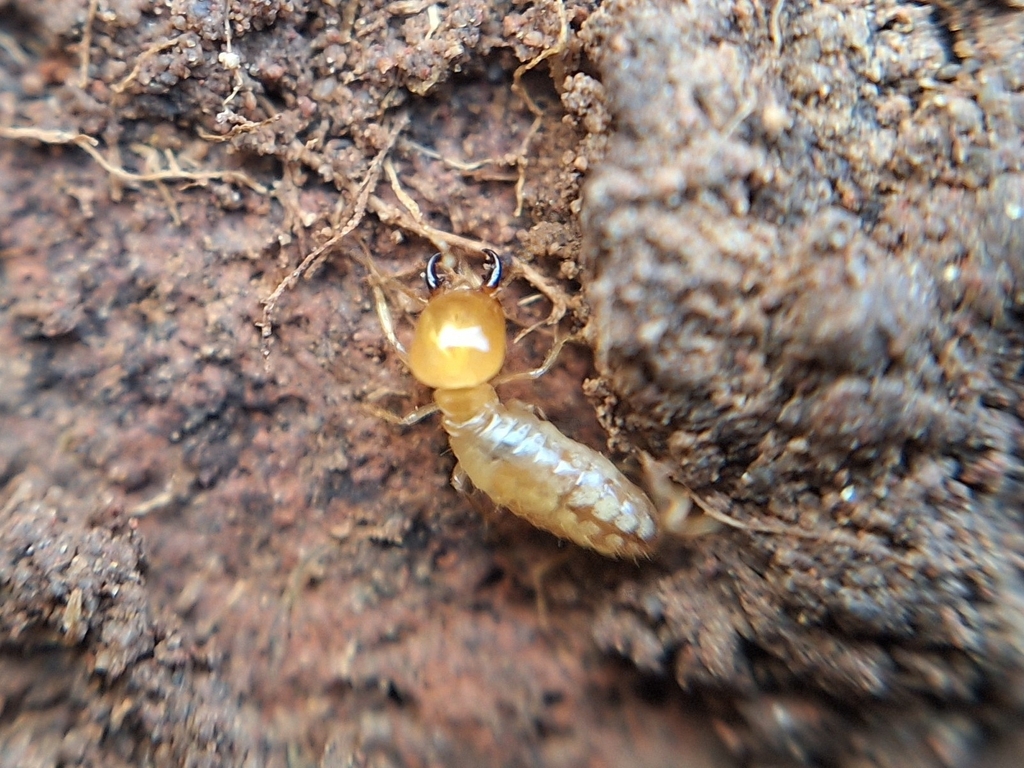
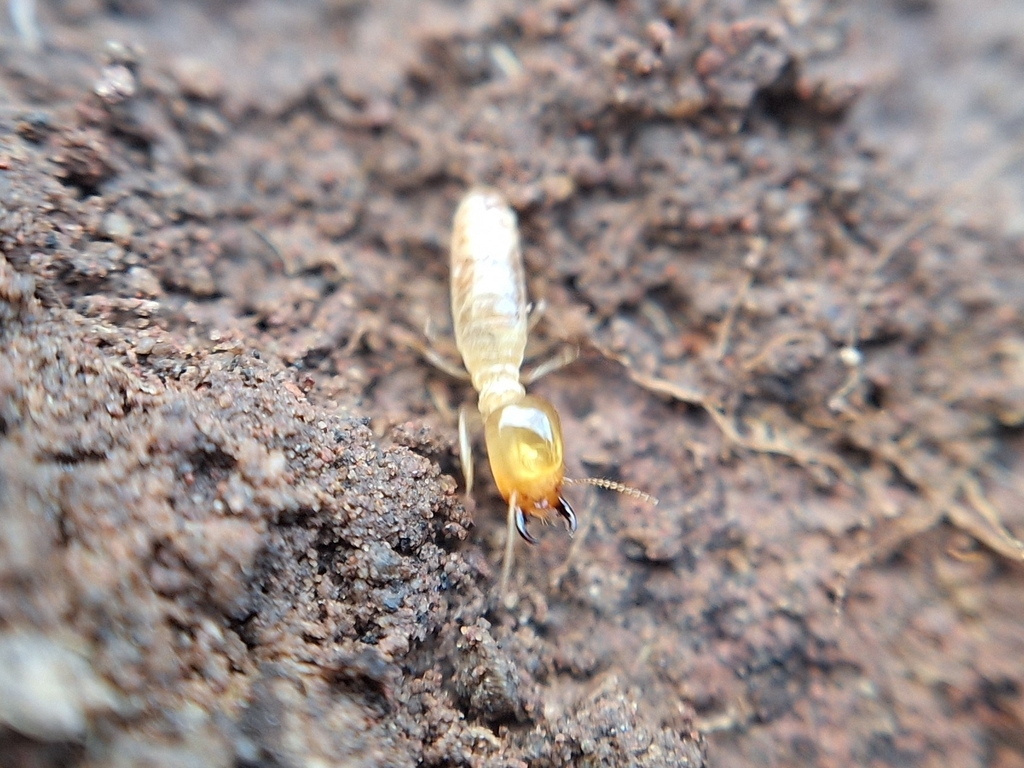
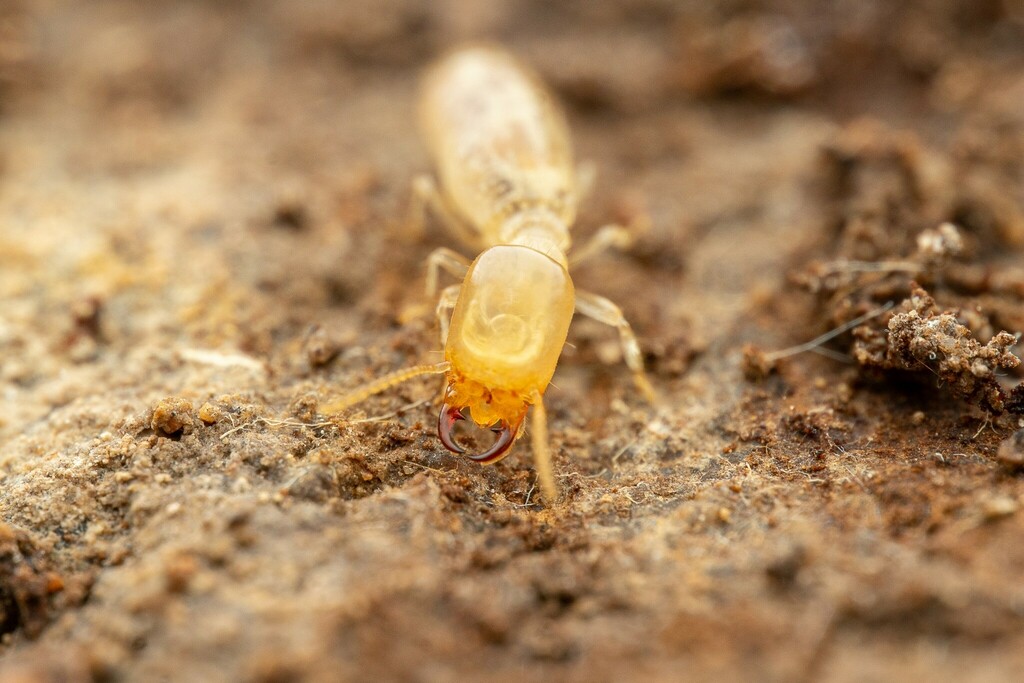
Photographs 229 photos · 7 species
Freely licensed photos; click to enlarge. This preview shows 6 photos; to browse by species, open “All photos”. Photos are hotlinked from iNaturalist / Wikimedia Commons; the rights stay with the photographers.
About the genus
This genus belongs to the family Termitidae 白蚁科, in the subfamily Amitermitinae 弓白蚁亚科; the site records 113 species.
Type species: Amitermes amifer.
This page includes a distribution map for the genus (GBIF records aggregated on a 1° grid); open a species entry to see its type locality, distribution, and references.
Etymology
Etymology uncertain; -termes from Latin termes.
The etymologies in this section are analytical breakdowns; the roots follow Brown (1956).
Morphology
The descriptions below are an adaptation of the original genus-level accounts; terms follow the meaning of the source, and the original is not transcribed verbatim.
Soldier
Mandibles curved, usually shorter than head length; mandible bases arising near the anterolateral corners of the head, inner margin smooth.
Sources: De Luna, M., Scheffrahn, R. H., García-Barrios, R. & Cuéllar-Rodríguez, C. 2023. Termites (Blattodea: Isoptera) of Canada, continental USA, and Mexico: an identification key to families and genera, checklist of species, and new records for Mexico. Acta Zoológica Mexicana (nueva serie) 39: 1–30. doi:10.21829/azm.2023.3912484, couplets 23 & 25, pp. 10–11 This text is an adaptation, not a verbatim transcription of the original.
Literature notes
Edited notes based on the original literature, not transcriptions. The source markers in each paragraph point to archived records in .sources; full citations are listed below.
Two soldier-mandible groups and associated organisms
According to the 1989 diagnosis quoted by Scheffrahn (2022), soldiers of Nearctic and Neotropical Amitermes fall into two groups by mandibular dentition: in one the marginal teeth project perpendicularly from the surface of the inner mandibular edge and have a distinct anterior face, as in Amitermes wheeleri, Amitermes excellens, Amitermes amifer and Amitermes foreli; in the other the teeth are directed posteriorly and lack a well-defined anterior face, as in Amitermes emersoni.
According to the abstract, Kirby (1932) examined the gut protozoa of five Californian and one Panamanian species of Amitermes and described Trichomonas lighti (found in all six hosts but not in every individual), Chilomastix minuta and Embadomonas termitis (both in Amitermes beaumonti), Endamoeba beaumonti (in five hosts) and Nyctotherus silvestrianus (in three Californian species); these protozoa are much less abundant than the flagellates of termites in the three wood-feeding families.
According to the abstract, Haverty and Nutting (1975) compared wood selection among four groups of subterranean termites in the Arizona desert using 69 randomly located circular quadrats and found that three species of Amitermes concentrated on catclaw acacia and blue palo-verde, whereas Heterotermes aureus preferred dead wood of desert hackberry and cholla.
According to the abstract, Kanzaki et al. (2010) isolated the new nematode Pseudaphelenchus vindai in 2008 on Barro Colorado Island, Panama, from three subterranean termites, Amitermes beaumonti, Microcerotermes exiguus and Obtusitermes panamae; analysis of its SSU rDNA sequence placed it in a well-supported clade with the only congener, Pseudaphelenchus yukiae, at the base of the family Aphelenchoididae.
References
- Scheffrahn, R. H. (2022). Amitermes californicus Banks, 1920 (Isoptera, Termitidae, Termitinae) resurrected after ninety years of synonymy and A. floridensis Scheffrahn, 1989 synonymized into A. wheeleri (Desneux, 1906). Zootaxa, 5128(4), 581–588.
- Kirby, H. (1932). Protozoa in termites of the genus Amitermes. Parasitology.
- Haverty, M. I. & Nutting, W. L. (1975). Natural wood preferences of desert termites. Annals of the Entomological Society of America, 68(3).
- Kanzaki, N., Giblin-Davis, R. M., Herre, E. A., Scheffrahn, R. H. & Center, B. J. (2010). Pseudaphelenchus vindai n. sp. (Tylenchomorpha: Aphelenchoididae) associated with termites in Barro Colorado Island, Panama. Nematology.
Species (113)
- Amitermes abruptus Gay, 1968 陡额弓白蚁
- Amitermes accinctus Gay, 1968 锋颚弓白蚁
- Amitermes acinacifer Sands, 1959 短刀弓白蚁
- Amitermes aduncus Gay, 1968 钩颚弓白蚁
- Amitermes agrilus Gay, 1968 野外弓白蚁
- Amitermes amicki Scheffrahn, 1999 阿米克弓白蚁
- Amitermes amifer Silvestri, 1901 弓颚弓白蚁 ★ Type species
- Amitermes aporema Constantino, 1993 阿波雷马弓白蚁
- Amitermes arboreus Roisin, 1990 树栖弓白蚁
- Amitermes arcuatus Gay, 1968 弧颚弓白蚁
- Amitermes baluchistanicus Akhtar, 1974 俾路支弓白蚁
- Amitermes bandeirai Rocha & Cancello, 2020 班代拉弓白蚁
- Amitermes basidens Sjöstedt, 1899 基齿弓白蚁
- Amitermes beaumonti Banks, 1918 博蒙特弓白蚁
- Amitermes belli Desneux, 1906 贝尔弓白蚁
- Amitermes boreus Gay, 1968 北方弓白蚁
- Amitermes braunsi Fuller, 1922 布劳恩斯弓白蚁
- Amitermes calabyi Gay, 1968 卡拉比弓白蚁
- Amitermes californicus Banks, 1920 加州弓白蚁
- Amitermes capito Hill, 1935 大头弓白蚁
- Amitermes coachellae Light, 1930 科切拉弓白蚁
- Amitermes colonus Hill, 1942 小山弓白蚁
- Amitermes conformis Gay, 1968 相似弓白蚁
- Amitermes corpulentus Al-Alawy, Abdul-Rassoul & Al-Azawi, 1990 肥胖弓白蚁
- Amitermes cryptodon Light, 1930 隐齿弓白蚁
- Amitermes darwini Hill, 1922 达尔文弓白蚁
- Amitermes dentatus Haviland, 1898 具齿弓白蚁
- Amitermes dentosus Hill, 1935 多齿弓白蚁
- Amitermes deplanatus Gay, 1968 变平弓白蚁
- Amitermes desertorum Desneux, 1902 遗弃弓白蚁
- Amitermes emersoni Light, 1930 埃默森弓白蚁
- Amitermes ensifer Light, 1930 剑颚弓白蚁
- Amitermes eucalypti Hill, 1922 尤卡尔普特弓白蚁
- Amitermes evuncifer Silvestri, 1912 完胜弓白蚁
- Amitermes excellens Silvestri, 1923 优秀弓白蚁
- Amitermes exilis Hill, 1935 纤细弓白蚁
- Amitermes falcatus Gay, 1968 镰颚弓白蚁
- Amitermes firmus Gay, 1968 坚颚弓白蚁
- Amitermes foreli Wasmann, 1902 福雷尔弓白蚁
- Amitermes gallagheri Chhotani, 1988 加拉格尔弓白蚁
- Amitermes germanus Hill, 1915 芽弓白蚁
- Amitermes gestroanus Sjöstedt, 1912 客栖弓白蚁
- Amitermes gracilis Gay, 1968 细瘦弓白蚁
- Amitermes guineensis Sands, 1992 几内亚弓白蚁
- Amitermes hartmeyeri Silvestri, 1909 哈特迈耶弓白蚁
- Amitermes hastatus Haviland, 1898 长矛弓白蚁
- Amitermes herbertensis Mjöberg, 1920 赫伯特弓白蚁
- Amitermes heteraspis Silvestri, 1906 火罐弓白蚁
- Amitermes heterognathus Silvestri, 1909 异颚弓白蚁
- Amitermes importunus Sands, 1959 粗鲁弓白蚁
- Amitermes innoxius Gay, 1968 无害弓白蚁
- Amitermes inops Gay, 1968 无助弓白蚁
- Amitermes insolitus Gay, 1968 异常弓白蚁
- Amitermes inspissatus Gay, 1968 粗颚弓白蚁
- Amitermes iranicus Ghayourfar, 1999 伊朗弓白蚁
- Amitermes kavarattiensis Sengupta, Rajmohana & Amina, 2022 卡瓦拉蒂弓白蚁
- Amitermes kharrazii Ghayourfar, 1999 哈尔拉兹弓白蚁
- Amitermes lanceolatus Gay, 1968 具矛弓白蚁
- Amitermes latidens Mjöberg, 1920 宽齿弓白蚁
- Amitermes lativentris Mjöberg, 1920 宽腹弓白蚁
- Amitermes laurensis Mjöberg, 1920 劳拉弓白蚁
- Amitermes leptognathus Gay, 1968 细颚弓白蚁
- Amitermes lilloi Rocha & Cancello, 2020 利略弓白蚁
- Amitermes loennbergianus Sjöstedt, 1911 伦伯格弓白蚁
- Amitermes lunae Scheffrahn & Huchet, 2010 卢纳弓白蚁
- Amitermes meridionalis Froggatt, 1898 南方弓白蚁
- Amitermes messinae Fuller, 1922 墨西拿弓白蚁
- Amitermes minimus Light, 1932 最小弓白蚁
- Amitermes mitchelli Sands, 1992 米切尔弓白蚁
- Amitermes modicus Hill, 1942 中等弓白蚁
- Amitermes neogermanus Hill, 1922 新芽弓白蚁
- Amitermes obeuntis Silvestri, 1909 相会弓白蚁
- Amitermes obtusidens Mjöberg, 1920 钝齿弓白蚁
- Amitermes pallidiceps Gay, 1969 灰头弓白蚁
- Amitermes pallidus Light, 1932 苍白弓白蚁
- Amitermes pandus Gay, 1968 弯曲弓白蚁
- Amitermes papuanus Roisin, 1990 巴布亚弓白蚁
- Amitermes paradentatus Ahmad, 1955 似具齿弓白蚁
- Amitermes parallelus Gay, 1968 平行弓白蚁
- Amitermes paravilis Ravan & Akhtar, 1999 似讨厌弓白蚁
- Amitermes parvidens Gay, 1968 小齿弓白蚁
- Amitermes parvulus Light, 1932 幼小弓白蚁
- Amitermes parvus Hill, 1922 微小弓白蚁
- Amitermes paucinervius Silvestri, 1908 寡脉弓白蚁
- Amitermes pavidus Hill, 1942 胆小弓白蚁
- Amitermes perarmatus Silvestri, 1909 全武弓白蚁
- Amitermes perelegans Hill, 1935 真帅弓白蚁
- Amitermes perryi Gay, 1968 佩里弓白蚁
- Amitermes procerus Gay, 1968 长颚弓白蚁
- Amitermes quadratus Gay, 1968 方头弓白蚁
- Amitermes ravus Hill, 1942 茶色弓白蚁
- Amitermes rotundus Gay, 1968 圆腹弓白蚁
- Amitermes sciangallorum Ghidini, 1941 夏安盖洛姆弓白蚁
- Amitermes scopulus Mjöberg, 1920 峭壁弓白蚁
- Amitermes seminotus Silvestri, 1908 知半弓白蚁
- Amitermes silvestrianus Light, 1930 西尔韦斯特里弓白蚁
- Amitermes snyderi Light, 1930 斯奈德弓白蚁
- Amitermes socotrensis Harris, 1954 索科特拉弓白蚁
- Amitermes somaliensis Sjöstedt, 1927 索马里弓白蚁
- Amitermes spinifer Silvestri, 1914 具刺弓白蚁
- Amitermes stephensoni Harris, 1957 斯蒂芬森弓白蚁
- Amitermes subtilis Gay, 1968 微型弓白蚁
- Amitermes truncatidens Sands, 1959 畸齿弓白蚁
- Amitermes uncinatus Gay, 1968 钩刺弓白蚁
- Amitermes unidentatus Wasmann, 1897 单齿弓白蚁
- Amitermes vicinus Gay, 1968 近邻弓白蚁
- Amitermes vilis Hagen, 1858 讨厌弓白蚁
- Amitermes viriosus Gay, 1968 强壮弓白蚁
- Amitermes vitiosus Hill, 1935 凶残弓白蚁
- Amitermes westraliensis Hill, 1929 西澳弓白蚁
- Amitermes wheeleri Desneux, 1906 惠勒弓白蚁
- Amitermes xylophagus Hill, 1935 食木弓白蚁
- Amitermes yasujensis Ghayourfar, 2005 亚苏季弓白蚁
Parent level: Checklist index · Amitermitinae 弓白蚁亚科 · Data & downloads