Subfamily Amitermitinae · 弓白蚁亚科
Filter the taxa recorded under this subfamily by name and locality; for the whole site use the full-text search.
Distribution map
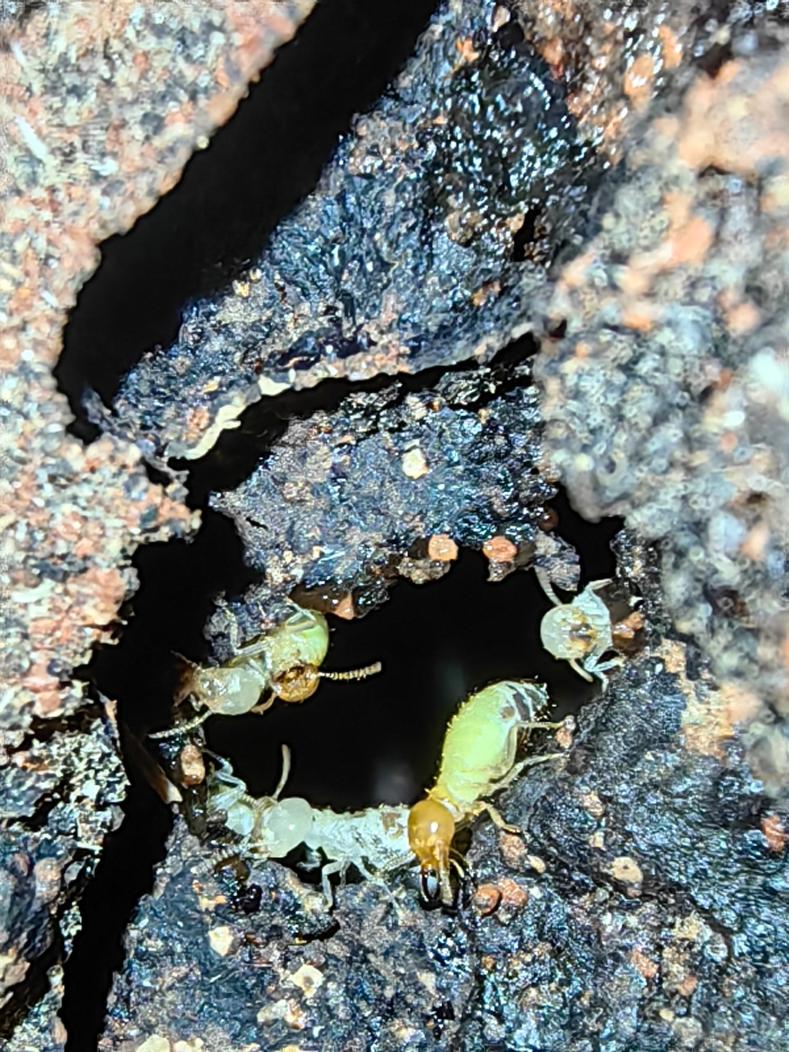
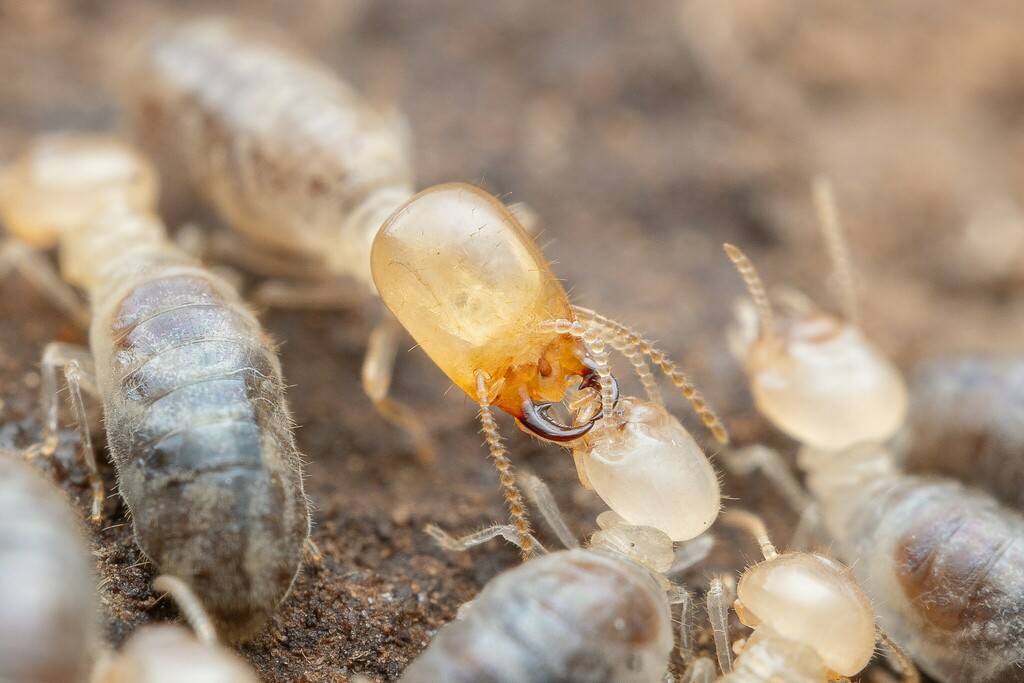
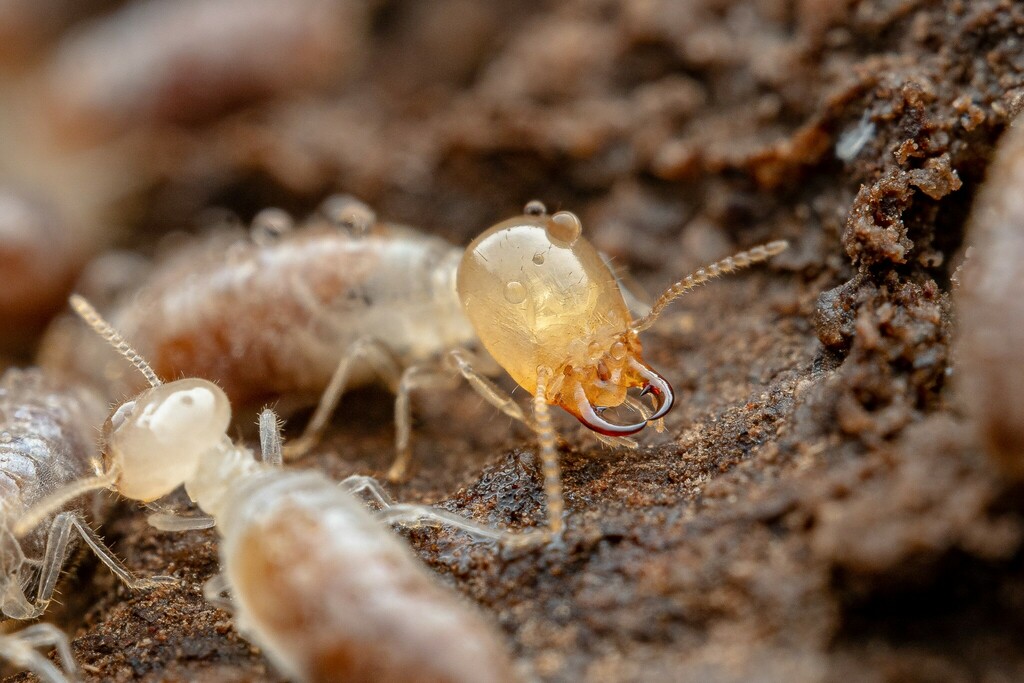
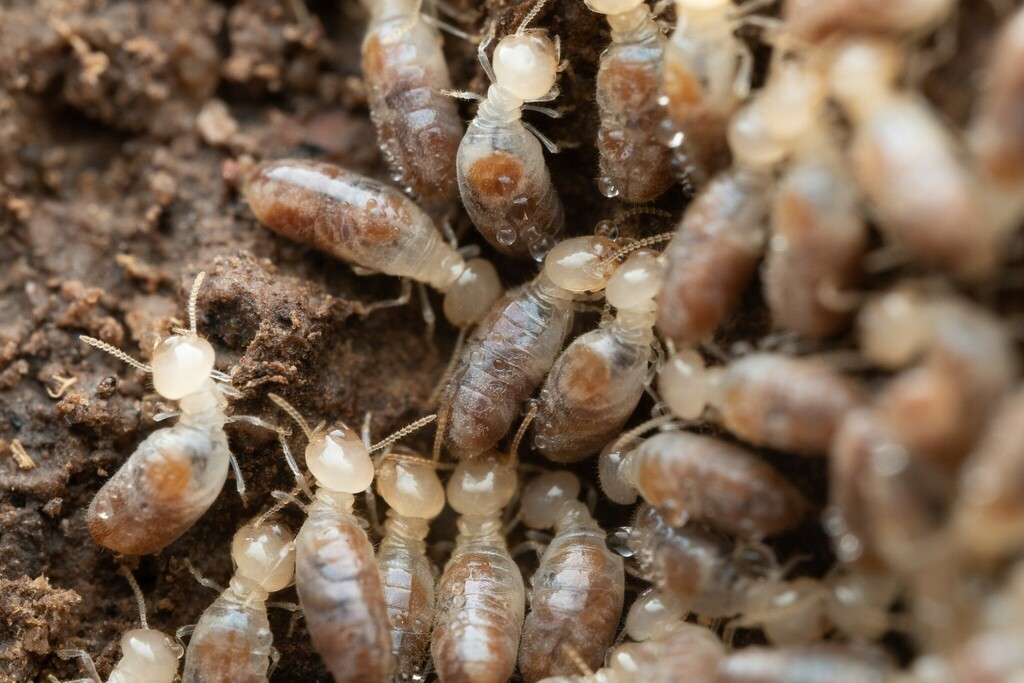
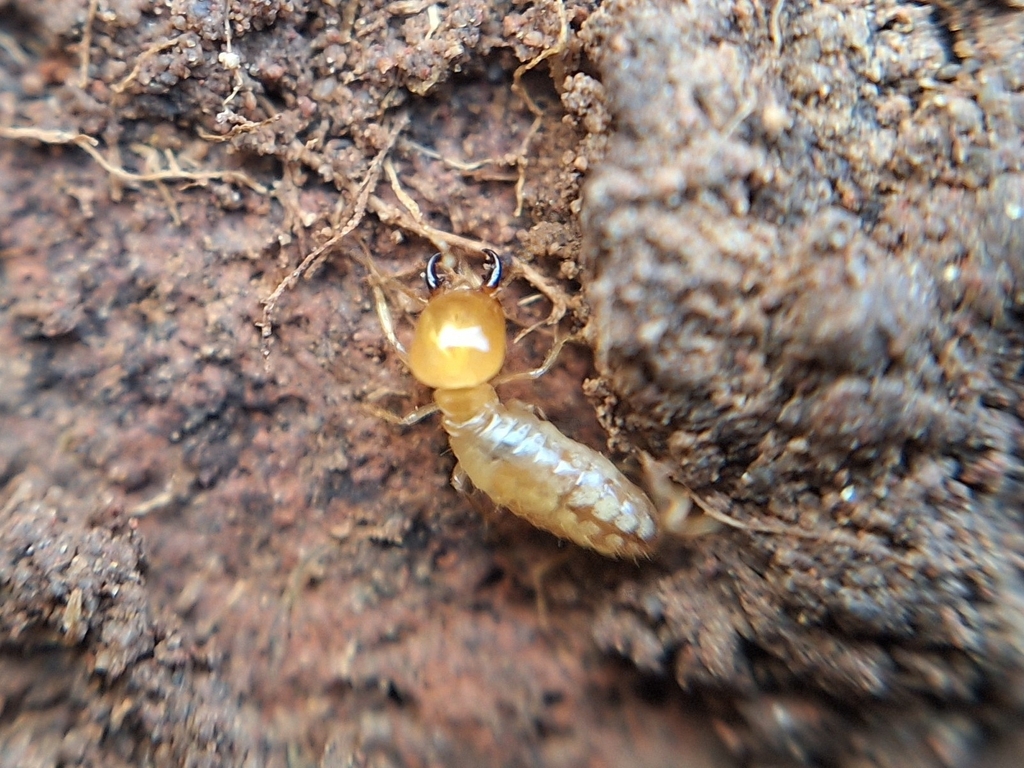
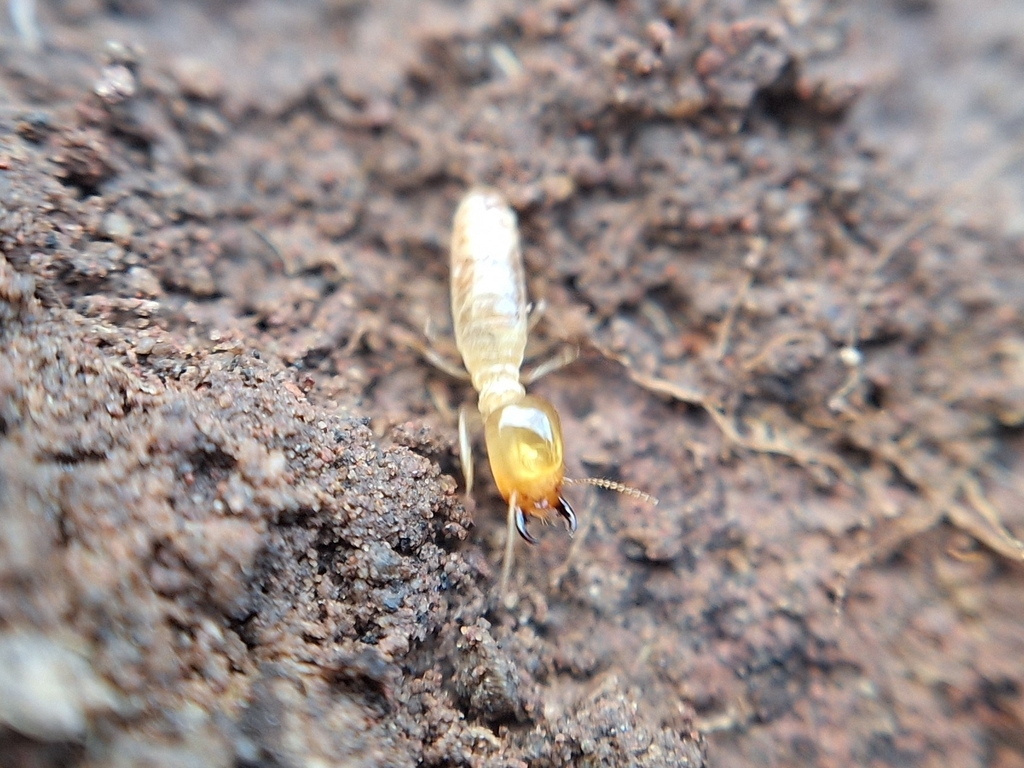
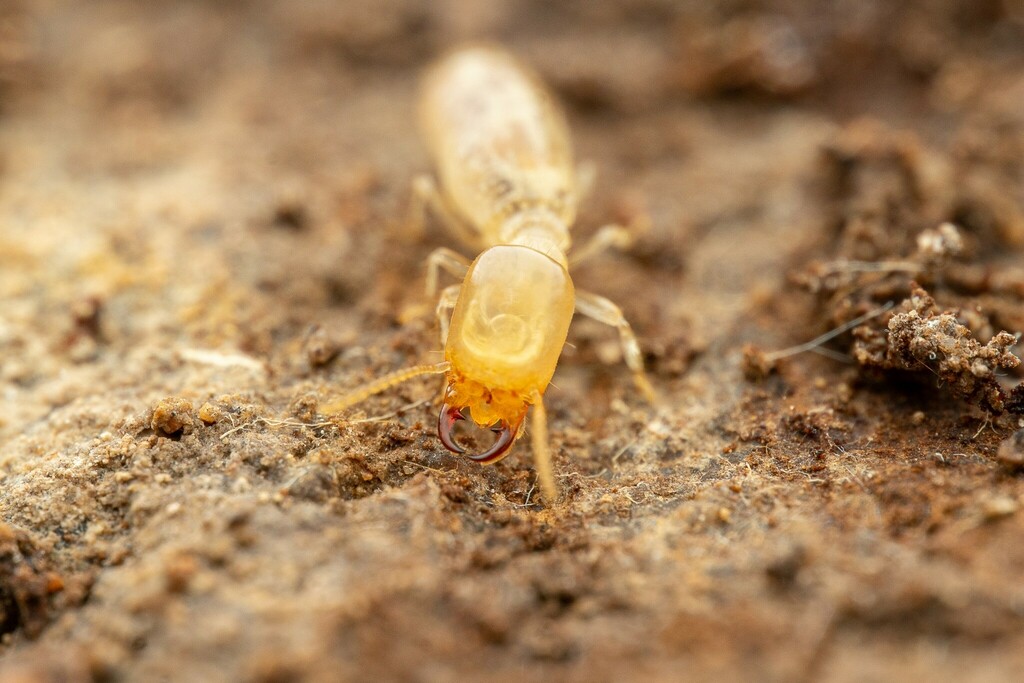
Photographs 313 photos · 11 species
Freely licensed photos; click to enlarge. This preview shows 6 photos; to browse by species, open “All photos”. Photos are hotlinked from iNaturalist / Wikimedia Commons; the rights stay with the photographers.
About the subfamily
The subfamily Amitermitinae was established by Kemner in 1934 (page 110 of the original work), with the type genus Amitermes Silvestri, 1901, from which the subfamily name is taken. Amitermes is probably derived from the Latin hami- "hook" plus termes, referring to the bow-like curved mandibles of the soldiers. This checklist records 14 genera and 194 species.
This subfamily is distributed mainly in Australia and the Afrotropical realm, and extends to the Neotropical realm, the Middle East, South Asia, and the southern United States. Its diet covers a variety of substrates, including rotten wood, dry grass, and the soil–wood interface. The soldier head is mostly pear-shaped and lacks a frontal projection, and the mandibles vary enormously among genera, exhibiting biting-crushing, piercing, slashing, and even symmetrical snapping types, making this one of the groups with the richest differentiation of mandibular defensive types in the family; among them, the genus Invasitermes lacks a soldier caste. In the worker, the apical tooth of the left mandible is generally shorter than the marginal tooth, except in Ahamitermes, Invasitermes, and Orthognathotermes; the worker ileum (P1) ranges from tubular to globularly swollen and does not form a ventral loop, and the Malpighian tubules are united two by two at a common basal nodule, except in Prohamitermes. Soldiers generally lack a frontal projection, except in Eremotermes and Dentispicotermes, whose soldiers possess one. As typified by the type genus Amitermes, the soldier fontanelle opens at the front of the head and the frontal gland is well developed; the antennae have 13–15 segments (mostly 15), and the inner margin of the mandible usually bears a single tooth. Nests are chiefly subterranean galleries, but some species build earthen mounds or dwell in old mounds. Economically, some species of this subfamily damage grasslands and crops: the North American desert termite Gnathamitermes tubiformans consumes large quantities of grasses and litter in arid grasslands (36); the Australian genus Drepanotermes is an important consumer of pasture grasses and litter (37); the Indian genus Eremotermes damages potatoes (38); and Globitermes sulphureus damages structural timber and coconut and oil palm plantations in Malaysia (39).
Economically, this subfamily has well-documented records of crop damage in West Africa: Amitermes evuncifer (occurring in West, Central, and East Africa) is one of the main crop termites named by farmers in Benin, is the most common damaging species in the complex community in sugarcane plantations in Ghana (40), is a major pest termite in Togo, and is also found in cacao plantations in Côte d'Ivoire and in rainfed rice fields in Benin.
This section is the standing account the site maintains for this rank and is updated on this page as the classification is revised; the checklist index is in the Checklist.
Literature notes
Edited notes based on the original literature, not transcriptions. The source markers in each paragraph point to archived records in .sources; full citations are listed below.
Restoration of Amitermitinae (2024)
According to Hellemans et al. (2024), Amitermitinae (Amitermitinae stat. nov.) was restored from the former Termitinae and comprises 14 genera: Ahamitermes, Amitermes, Dentispicotermes, Drepanotermes, Eremotermes, Globitermes, Gnathamitermes, Hoplotermes, Incolitermes, Invasitermes, Orthognathotermes, Prohamitermes, Pseudhamitermes and Synhamitermes, with Amitermes Silvestri, 1901 as type genus.
Amitermitinae is widespread in the tropical and subtropical biogeographic regions, feeding on mounds, soil, wood and grass, as well as on the soil-wood interface; the soldier head is generally pear-shaped and lacks a frontal projection, the exceptions being Eremotermes and Dentispicotermes.
When Sands revised the soldierless termites of Africa in 1972, he treated Amitermitinae as a synonym of Termitinae; the treatment of 2024 restored its subfamily status, so 'Amitermitinae' in older literature cannot be understood directly in its present circumscription.
References
Genera (14)
- Ahamitermes 无钩白蚁属 3 species
- Amitermes 弓白蚁属 113 species
- Dentispicotermes 齿尖白蚁属 6 species
- Drepanotermes 镰白蚁属 24 species
- Eremotermes 漠白蚁属 10 species
- Globitermes 球白蚁属 7 species, 2 subspecies
- Gnathamitermes 颚钩白蚁属 4 species
- Hoplotermes 武白蚁属 1 species
- Incolitermes 子民白蚁属 1 species
- Invasitermes 闯白蚁属 2 species
- Orthognathotermes 直颚白蚁属 15 species
- Prohamitermes 前钩白蚁属 2 species, 2 subspecies
- Pseudhamitermes 伪钩白蚁属 2 species
- Synhamitermes 同钩白蚁属 4 species
Parent level: Checklist index · Termitidae 白蚁科 · Data & downloads