Family Termitidae · 白蚁科
Filter the taxa recorded under this family by name and locality; for the whole site use the full-text search.
Distribution map
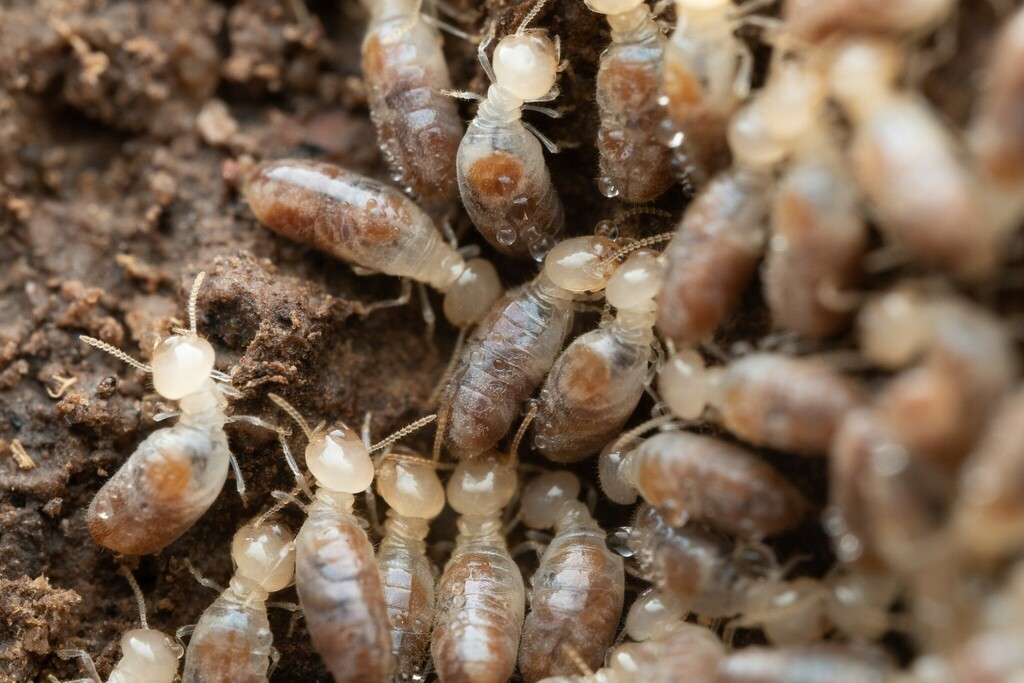
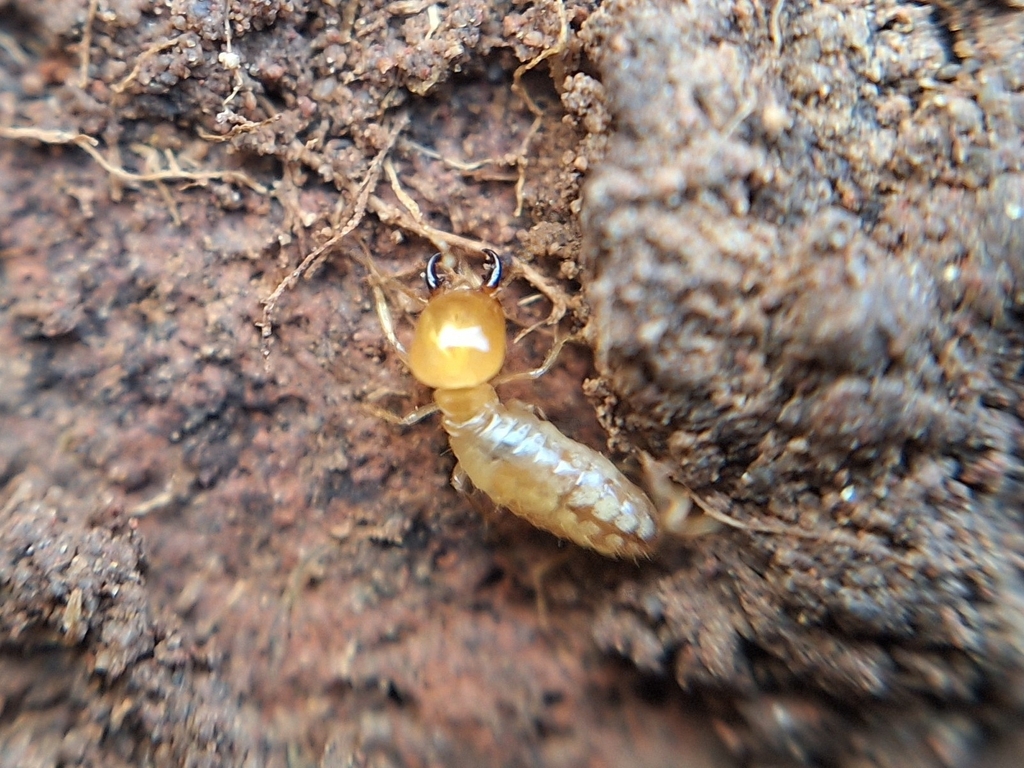
Photographs 1918 photos · 106 species
Freely licensed photos; click to enlarge. This preview shows 6 photos; to browse by species, open “All photos”. Photos are hotlinked from iNaturalist / Wikimedia Commons; the rights stay with the photographers.
About the family
The family Termitidae was established by Latreille in 1802, with the type genus Termes Linnaeus, 1758. The family name is formed from the type genus stem Termit- plus the family-level suffix -idae. This checklist records 280 genera and 2144 species.
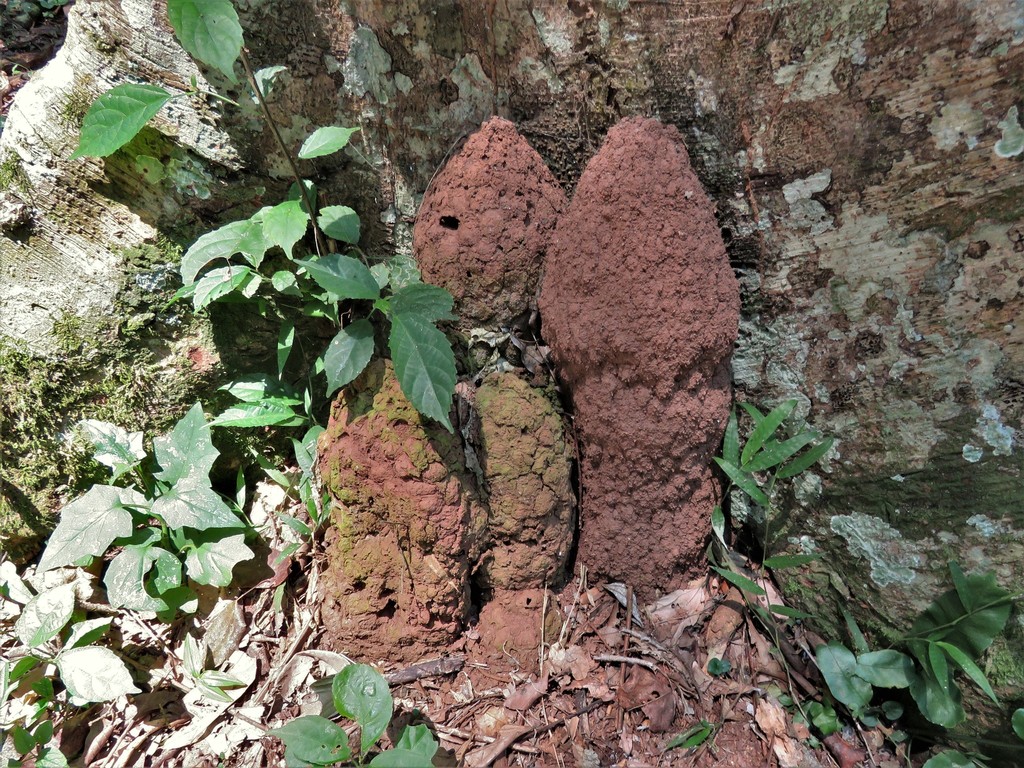
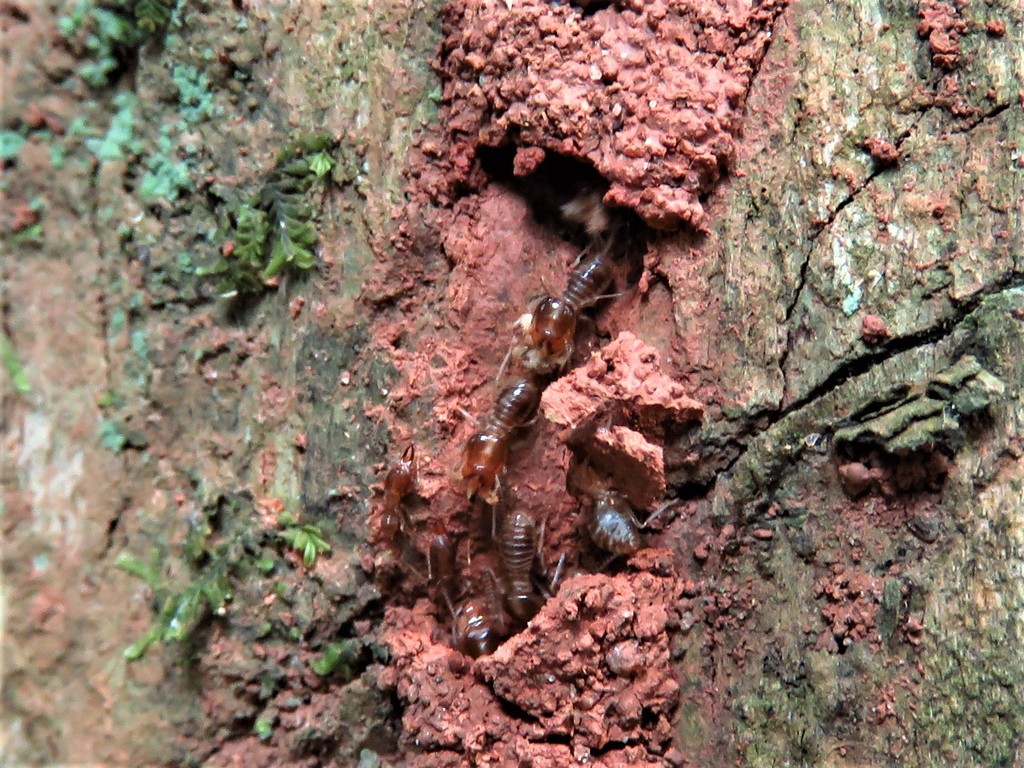
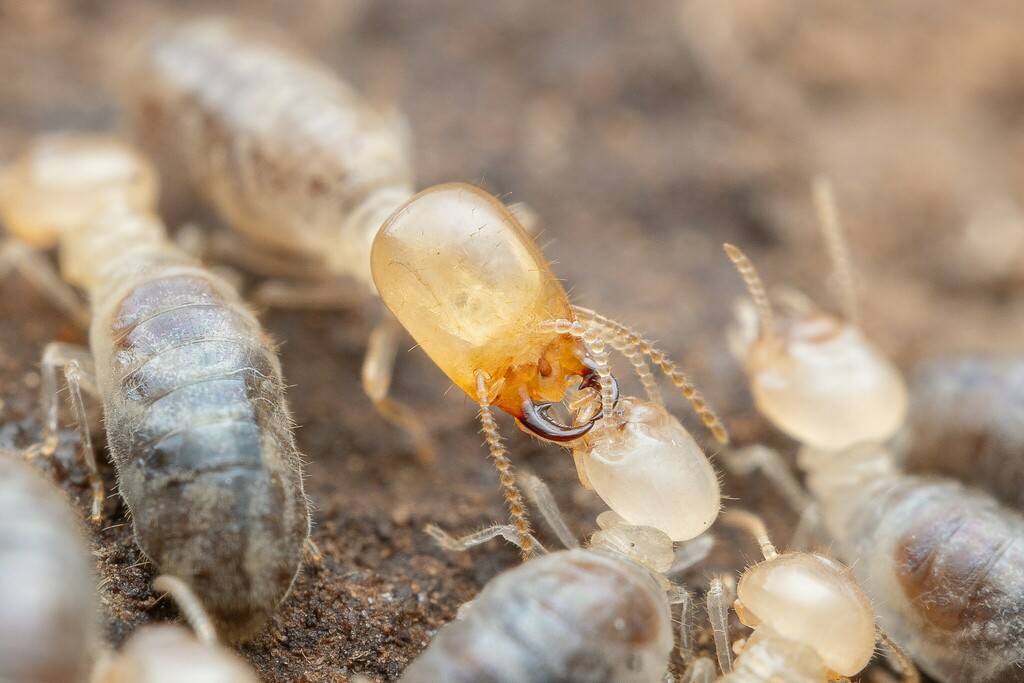
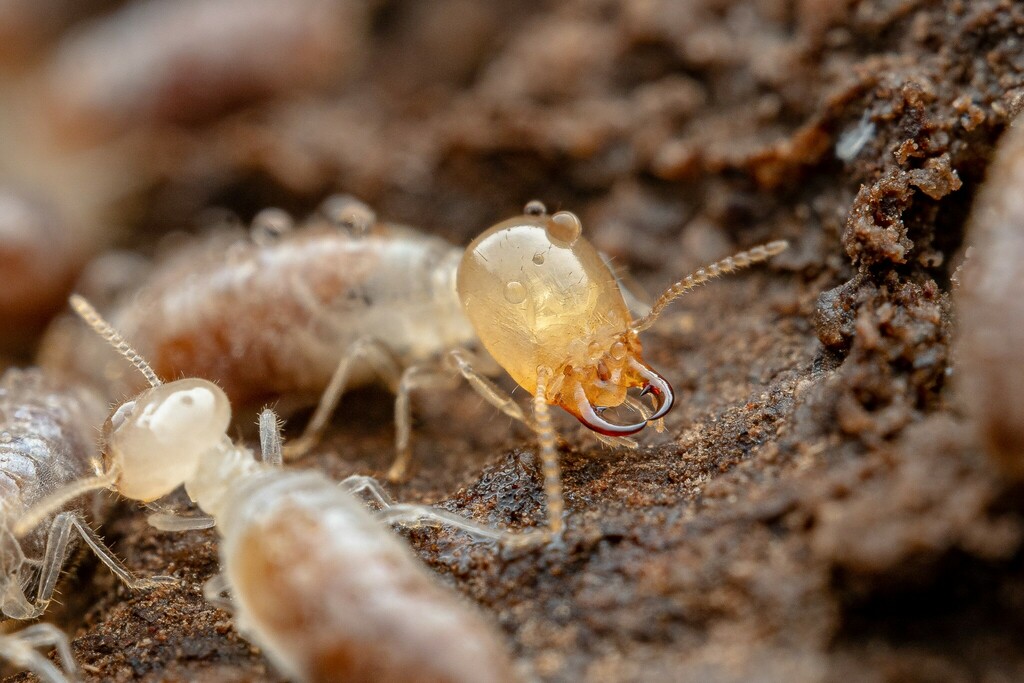
This family has a pantropical distribution, with representatives in all major zoogeographic regions of the tropics and subtropics, and a few species extending into warm-temperate zones. Its feeding habits are the most diverse among termite families, encompassing wood-feeding, grass-feeding, leaf-litter-feeding, humus-feeding and fungus-cultivating types; a few species feed on lichens and algae growing on bark (such as the genus Constrictotermes), while inquilinous species feed on the nest material and feces of their host nest (such as the genus Inquilinitermes); about sixty percent of species are specialized soil-humus feeders. Unlike other families, the hindgut of this family is highly compartmentalized, and its digestive symbionts are dominated by bacteria and archaea. The most conspicuous shared feature of termitid soldiers is the unpaired, sac-like frontal gland (35), whose external opening is the fontanelle, yet defensive strategies diverge along this structure. The Nasutitermitinae is the largest subfamily of the family; in it the front of the soldier's head is prolonged into a conical nasus, the mandibles are reduced, and the soldier relies entirely on the frontal gland to eject a sticky secretion through the fontanelle at the tip of the nasus to entangle enemies; the Syntermitinae, which also possess a nasus, retain well-developed mandibles and employ both mechanical and chemical defense. The other extreme is seen in the snapping-mandible groups of the Mirocapritermitinae, such as the genus Pericapritermes, which repel enemies by a sudden crosswise strike of the two mandibles, while the frontal gland is poorly developed; Globitermes sulphureus goes even further, using rupture of the frontal gland for suicidal defense. A few lineages of the family have lost the soldier caste, the Neotropical species of the Apicotermitinae being one example, in which defense is undertaken entirely by the workers. In the alates the pronotum is saddle-shaped, the hind wing lacks an anal lobe and has simplified venation, and a fontanelle and ocelli are present; in the workers the postclypeus is swollen into a globular form and the hindgut has a mixed segment, and the antennae usually have 13-15 segments, while those of the soldiers usually have 12-16 segments. The detailed diagnostic characters of the soldiers and workers of each subfamily are given in the following subfamily sections. Nesting patterns are diverse, including subterranean nests, surface mounds and arboreal carton nests, and the nests of this family are the most conspicuous ecological-engineering structures of tropical forests and savannas. The Termitidae is the most species-rich group within the Neoisoptera; it began to radiate around the end of the Eocene and underwent a rapid internal radiation during the Paleogene.
The family is currently divided into 18 subfamilies (21): Amitermitinae (14 genera, 194 species), Apicotermitinae (68 genera, 241 species), Crepititermitinae (1 genera, 1 species), Cubitermitinae (28 genera, 149 species), Cylindrotermitinae (2 genera, 9 species), Engelitermitinae (1 genera, 1 species), Foraminitermitinae (3 genera, 10 species), Forficulitermitinae (1 genera, 1 species), Macrotermitinae (12 genera, 373 species), Microcerotermitinae (2 genera, 150 species), Mirocapritermitinae (14 genera, 135 species), Nasutitermitinae (81 genera, 606 species), Neocapritermitinae (3 genera, 20 species), Promirotermitinae (2 genera, 39 species), Protohamitermitinae (2 genera, 2 species), Sphaerotermitinae (1 genera, 1 species), Syntermitinae (22 genera, 105 species), and Termitinae (23 genera, 107 species). The economic damage caused by this family is detailed under each subfamily.
This section is the standing account the site maintains for this rank and is updated on this page as the classification is revised; the checklist index is in the Checklist.
Fauna Sinica account
The account below is a reorganized and rewritten adaptation of the family-level description in Fauna Sinica, Insecta Vol. 17, Isoptera (2000) (original work, section on the family Termitidae); the source keys and measurement tables are not reproduced here.
Morphology
Key characters
The largest family in the Isoptera, comprising about three-quarters of all species; its members are soil-dwelling higher termites, nesting mostly underground or within earthen mounds. The book divides it into five subfamilies: the Termitinae, the Amitermitinae, the Macrotermitinae, the Nasutitermitinae, and the Apicotermitinae established separately by Grasse and Noirot in 1954. Soldiers and workers are often markedly polymorphic, and a few groups lack soldiers. The soldier's pronotum is narrower than the head, its anterior margin upturned and saddle-shaped; a fontanelle is present; the cerci have one to two segments and the tarsi three to four. The alate has only one or two marginal teeth on the left mandible; the forewing and hindwing scales are separate, the forewing scale slightly larger; the radial vein is reduced or lost; the postclypeus is large and convex, and the fontanelle is prominent.
Biology and economic significance
All members of this family are soil-dwelling, nesting underground, in earthen mounds, in tree trunks or inside buildings. Groups such as the Macrotermitinae cultivate fungus combs in the nest to break down wood; they are important decomposers in tropical and subtropical ecosystems and at the same time major pests of crops, forest trees and buildings.
Distribution
The family is most flourishing in the tropics and subtropics; southern China is rich in species, and it is distributed throughout the provinces and regions south of the Yangtze River, being especially concentrated in the mountains of South China and the Southwest.
Summary
The largest family of Isoptera, holding about three quarters of all species and comprising the higher, soil-dwelling termites. The 2000 account recognises five subfamilies, with soldiers and workers often strongly polymorphic and a few groups lacking soldiers. Soldiers have a saddle-shaped pronotum narrower than the head, a fontanelle, one or two cereal segments and three or four tarsal segments; alates have one or two left marginal teeth, separate wing scales and a reduced radial sector.
Taxonomic note: The original work adopts the five-subfamily system and leaves within this family such groups as the genus Indotermes, which have since been proposed for separate family rank; this site follows the current system, so this page is an adapted account of the general characters of the original work's Termitidae, and the placement of individual genera follows the list.
Sources cited: Huang Fusheng, Zhu Shimo, Ping Zhengming, Wang Zhiguo, Li Can and Xu Chungui, 2000. Fauna Sinica, Insecta Vol. 17, Isoptera. Beijing: Science Press. This text is a reorganized adaptation, not a verbatim transcription.
Morphological keys
Every key on this page states its source table by table. The order-level key to families and subfamilies, and the key to subfamilies of Termitidae, are translated from the molecular supplement of Hellemans et al. (2024); the 13-family classification adopted there is linked from the family pages. Measurements and figure numbers are generally omitted. For the terminology used in the keys (mandible, fontanelle, tarsus, tibial spur, wing scale and so on), see Termite basics.
Key to the subfamilies of TermitidaeWorker and soldierHellemans et al. (2024)
Based mainly on worker gut anatomy and mandibular dentition, this key covers all 18 extant subfamilies of Isoptera; it is not entirely consistent with the subfamily system of the original book (2000), which was based on soldier and alate morphology; each endpoint links to the corresponding subfamily page on this site.
- 1 Worker gut: mixed segment absent; midgut well developed (length and diameter both conspicuous), visible in situ in dorsal view; junction of midgut and hindgut with 4 lobes (indistinct in some species); without Malpighian tubule knots or false Malpighian tubule knots → see couplet 2Worker gut: mixed segment present or absent; junction of the paunch and the colon (P3–P4) without conspicuous posterior setae; with Malpighian tubule knots or false Malpighian tubule knots → see couplet 3
- 2 Adult/worker: labrum with a dark sclerotised transverse band; anterior margin of the 3rd marginal tooth of the left mandible (LMt3) less than twice the length of its posterior margin → 大白蚁亚科 MacrotermitinaeAdult/worker: labrum without a dark sclerotised transverse band; anterior margin of LMt3 twice the length of its posterior margin or more; junction of P3–P4 in the worker gut with conspicuous posterior setae → 圆球白蚁亚科 Sphaerotermitinae
- 3 Worker gut: dorsal projection of P3b forming 2 loops and leaving the coil from the middle; with false Malpighian tubule knots; mixed segment absent; enteric valve (P2) without spines → 孔白蚁亚科 ForaminitermitinaeWorker gut: dorsal projection of P3b erect and directed posteriorly or forming a single loop, leaving the coil along the margin of the midgut; with Malpighian tubule knots; mixed segment present or absent; enteric valve (P2) with or without spines → see couplet 4
- 4 Worker gut: gizzard without columnar bands (degenerate type); mixed segment absent; ileum (P1) cylindrical, running as an elongated S along the left side of the abdomen; enteric valve (P2) composed of 6 smooth long pads, each with 1 spine at its apex → 恩格尔白蚁亚科 EngelitermitinaeWorker gut: gizzard with columnar bands (ordinary type) or without (degenerate type); mixed segment present or absent; P1 variable in shape; enteric valve (P2) variable in morphology → see couplet 5
- 5 Adult/worker: no distinct notch or depression between the 3rd marginal tooth of the left mandible (LMt3) and the fused first and second marginal teeth (LMt1+2); adult fontanelle slit-like, oval or circular; worker mixed segment (if present) situated outside the midgut loop → see couplet 6Adult/worker: distinct notch or depression between LMt3 and LMt1+2; adult fontanelle not slit-like, indistinct or oval, circular; worker mixed segment (if present) situated inside the midgut loop → 尖白蚁亚科 Apicotermitinae
- 6 Worker gut: paunch (P3) with a caecum or caecal pouch (also present in soldiers and adults) → see couplet 7Worker gut: paunch (P3) without a caecum or caecal pouch → see couplet 8
- 7 Worker gut: gizzard without columnar bands (degenerate type); caecal pouch situated ventrally; P1 swollen; enteric valve apparatus composed of 6 long pads and 6 smaller intermediate pads, the apparatus weak; usually with small Malpighian tubule knots (Ethiopian region) → 方白蚁亚科 CubitermitinaeWorker gut: gizzard with columnar bands (ordinary type); caecal pouch seen in right lateral view on the P3 projection; P1 tubular; enteric valve apparatus composed of 6 pads, without intermediate pads (Neotropical region) → 响白蚁亚科 Crepititermitinae
- 8 Worker gut: double mixed segment present or absent; soldier (always present): fontanelle opening at the tip of the frontal process or at the end of the nasus → see couplet 9Worker gut: double mixed segment absent; soldier (rarely absent): fontanelle on the front of the head or at the base of the frontal process (when the latter is present) → see couplet 10
- 9 Worker gut: double mixed segment present or absent; ileum (P1) dilated. Soldier: fontanelle wide, mandibles functional (Neotropical region) → 聚白蚁亚科 SyntermitinaeWorker gut: double mixed segment absent; ileum (P1) tubular. Soldier: fontanelle narrow, mandibles vestigial (cosmopolitan) → 象白蚁亚科 Nasutitermitinae
- 10 Worker gut: P1 tubular and long, forming a loop on the ventral side of P5; P1 inserting into P3 on the right side of the abdomen. Worker mandibles: molar region always ridged → see couplet 11Worker gut: P1 variable in shape (tubular or swollen), without a ventral loop; insertion of P1 on P3 variable; enteric valve on the right or left side of the abdomen. Worker mandibles: molar region ridged or not ridged → see couplet 12
- 11 Adult/worker: base of the 1st marginal tooth of the right mandible (RMt1) without an accessory tooth, 2nd marginal tooth (RMt2) not as described below. Soldier: present. Worker gut: P1 inserting dorsally on P3 (Ethiopian and Neotropical regions) → 圆筒白蚁亚科 CylindrotermitinaeAdult/worker: base of RMt1 with an accessory tooth, RMt2 well developed, anterior margin angular, posterior margin curved. Soldier: absent. Worker gut: P1 inserting posteroventrally on P3 (Oriental region) → 始钩白蚁亚科 Protohamitermitinae
- 12 Worker gut: usually with small Malpighian tubule knots, situated on the inner side of the midgut loop at the insertion of the Malpighian tubules. Soldier: frontal process well developed or extremely reduced → 白蚁亚科 TermitinaeWorker gut: without small Malpighian tubule knots (sometimes with an ampulla). Soldier: morphology variable → see couplet 13
- 13 Worker gut: P1 (position of the enteric valve) inserting into P3 on the left side of the abdomen → see couplet 14Worker gut: P1 (position of the enteric valve) inserting into P3 on the right side of the abdomen → see couplet 17
- 14 Worker gut: mixed segment absent. Soldier mandibles: not snapping → 剪白蚁亚科 ForficulitermitinaeWorker gut: mixed segment present → see couplet 15
- 15 Worker gut: junction of the mixed segment and the ileum (P1) constricted and folded ventrally, forming an acute angle with the anterior apex. Adult/worker: RMt2 directed forward, posterior margin elongated; molar region ridged → see couplet 16Worker gut: junction of the mixed segment and the ileum (P1) arched. Soldier: asymmetric snapping. Adult/worker: RMt2 with both margins subequal, posterior margin slightly concave; molar region smooth or very weakly ridged (Australian, Afrotropical, Palaearctic (China–Japan) and Papuan regions) → 瘤白蚁亚科 Mirocapritermitinae
- 16 Soldier mandibles: piercing (Onkotermes, Neotropical region) or cutting (Microcerotermes, Australian, Papuan, Oriental, Ethiopian and Neotropical regions) → 锯白蚁亚科 MicrocerotermitinaeSoldier mandibles: asymmetric or nearly symmetric snapping (Neotropical region) → 新扭白蚁亚科 Neocapritermitinae
- 17 Worker/soldier gut: P1 swollen or tubular. Soldier mandibles: crushing, piercing, cutting or symmetric snapping (only genera of the Neotropical region have symmetrically snapping mandibles); soldier head pear-shaped, without a frontal process (except Eremotermes and Dentispicotermes), labrum circular or slightly pointed at the apex → 弓白蚁亚科 AmitermitinaeWorker/soldier gut: P1 always swollen. Soldier: mandibles snapping symmetrically, head with a distinct frontal tubercle or frontal process; labrum bifurcate → 前奇白蚁亚科 Promirotermitinae
Sources: Hellemans S., Rocha M. M., Wang M. et al. (2024) Genomic data provide insights into the classification of extant termites. Nature Communications 15: 6724. doi:10.1038/s41467-024-51028-y (supplementary Note 2, order-level key to families and subfamilies; Note 3, key to the subfamilies of Termitidae); taxa are linked to the checklist as currently used on this site, and names recorded in the original keys but not in our checklist have been removed from the keys.
Subfamilies (18)
- Amitermitinae 弓白蚁亚科 14 genera, 194 species and 4 subspecies
- Apicotermitinae 尖白蚁亚科 68 genera, 241 species and 2 subspecies
- Crepititermitinae 响白蚁亚科 1 genus and 1 species
- Cubitermitinae 方白蚁亚科 28 genera, 149 species and 10 subspecies
- Cylindrotermitinae 圆筒白蚁亚科 2 genera and 9 species
- Engelitermitinae 恩格尔白蚁亚科 1 genus and 1 species
- Foraminitermitinae 孔白蚁亚科 3 genera and 10 species
- Forficulitermitinae 剪白蚁亚科 1 genus and 1 species
- Macrotermitinae 大白蚁亚科 12 genera, 373 species and 16 subspecies
- Microcerotermitinae 锯白蚁亚科 2 genera, 150 species and 7 subspecies
- Mirocapritermitinae 瘤白蚁亚科 14 genera, 135 species and 3 subspecies
- Nasutitermitinae 象白蚁亚科 81 genera, 606 species and 10 subspecies
- Neocapritermitinae 新扭白蚁亚科 3 genera and 20 species
- Promirotermitinae 前奇白蚁亚科 2 genera, 39 species and 2 subspecies
- Protohamitermitinae 始钩白蚁亚科 2 genera and 2 species
- Sphaerotermitinae 圆球白蚁亚科 1 genus and 1 species
- Syntermitinae 聚白蚁亚科 22 genera and 105 species
- Termitinae 白蚁亚科 23 genera and 107 species
Genera (280)
- Acangaobitermes 漏斗白蚁属 1 species
- Acanthotermes 刺白蚁属 1 species
- Acholotermes 顺白蚁属 5 species
- Aciculitermes 针白蚁属 2 species
- Acidnotermes 虚白蚁属 1 species
- Acutidentitermes 尖齿白蚁属 1 species
- Adaiphrotermes 和白蚁属 3 species
- Aderitotermes 谐白蚁属 2 species
- Adynatotermes 弱白蚁属 1 species
- Afrosubulitermes 非锥白蚁属 1 species
- Aganotermes 雅白蚁属 1 species
- Agnathotermes 无颚白蚁属 2 species
- Ahamitermes 无钩白蚁属 3 species
- Ahmaditermes 钝颚白蚁属 21 species
- Allodontermes 奇齿白蚁属 3 species
- Allognathotermes 异颚白蚁属 3 species
- Alyscotermes 逃白蚁属 2 species
- Amalotermes 软白蚁属 1 species
- Amicotermes 善白蚁属 12 species
- Amitermes 弓白蚁属 113 species
- Amplucrutermes 大腿白蚁属 1 species
- Ampoulitermes 安瓿白蚁属 2 species
- Anaorotermes 无戟白蚁属 1 species
- Ancistrotermes 钩白蚁属 16 species, 2 subspecies
- Anenteotermes 无甲白蚁属 11 species
- Angularitermes 棱角白蚁属 6 species
- Angulitermes 角白蚁属 29 species
- Anhangatermes 魔白蚁属 5 species
- Anoplotermes 解甲白蚁属 23 species
- Antillitermes 安的列斯白蚁属 1 species
- Apagotermes 疲白蚁属 1 species
- Aparatermes 弯肠白蚁属 3 species
- Apicotermes 尖白蚁属 13 species
- Apilitermes 无毛白蚁属 1 species
- Apolemotermes 和平白蚁属 1 species
- Apsenterotermes 后肠白蚁属 5 species
- Araujotermes 阿劳若白蚁属 4 species
- Arcotermes 弧白蚁属 1 species
- Armitermes 戟白蚁属 3 species
- Asagarotermes 无剑白蚁属 1 species
- Astalotermes 无利器白蚁属 17 species
- Astratotermes 无刃白蚁属 6 species
- Ateuchotermes 无锐白蚁属 8 species
- Atlantitermes 阿特拉斯白蚁属 8 species
- Australitermes 澳大利亚白蚁属 3 species
- Bandeiratermes 班代拉白蚁属 2 species
- Basidentitermes 基齿白蚁属 8 species, 2 subspecies
- Batillitermes 铲白蚁属 2 species
- Baucaliotermes 细颈白蚁属 1 species
- Biratermes 拜拉白蚁属 1 species
- Bulbitermes 瓢白蚁属 34 species
- Caetetermes 林白蚁属 2 species
- Cahuallitermes 弃白蚁属 2 species
- Capritermes 扭白蚁属 1 species
- Caputitermes 首白蚁属 1 species
- Caribitermes 加勒比白蚁属 1 species
- Cavitermes 腔白蚁属 5 species
- Cephalotermes 头白蚁属 1 species
- Ceylonitermellus 小锡兰白蚁属 3 species
- Ceylonitermes 锡兰白蚁属 4 species
- Chasitermes 蔡斯白蚁属 2 species
- Coarctotermes 缩狭白蚁属 4 species
- Coatitermes 凸鼻白蚁属 4 species
- Coendutermes 箭猪白蚁属 1 species
- Compositermes 肠刺白蚁属 2 species
- Constrictotermes 缩白蚁属 6 species
- Convexitermes 凸白蚁属 2 species
- Cornicapritermes 角扭白蚁属 1 species
- Cornitermes 角象白蚁属 14 species
- Cortaritermes 利颚白蚁属 5 species
- Coxotermes 基白蚁属 1 species
- Crenetermes 刻痕白蚁属 5 species
- Crepititermes 响白蚁属 1 species
- Cristatitermes 脊突白蚁属 6 species
- Cubitermes 方白蚁属 11 species, 2 subspecies
- Cucurbitermes 葫白蚁属 3 species
- Curvitermes 曲白蚁属 2 species
- Cylindrotermes 圆筒白蚁属 8 species
- Cyranotermes 巨鼻白蚁属 4 species
- Cyrilliotermes 壶头白蚁属 4 species
- Dentispicotermes 齿尖白蚁属 6 species
- Dicuspiditermes 突扭白蚁属 21 species
- Dihoplotermes 双戟白蚁属 2 species
- Disjunctitermes 间断白蚁属 1 species
- Dissimulitermes 隐藏白蚁属 1 species
- Diversitermes 歧白蚁属 4 species
- Divinotermes 迪维努白蚁属 3 species
- Diwaitermes 木象白蚁属 3 species
- Drepanotermes 镰白蚁属 24 species
- Duplidentitermes 双齿白蚁属 3 species
- Ebogotermes 埃博戈白蚁属 1 species
- Eburnitermes 象牙白蚁属 1 species
- Echinotermes 多刺白蚁属 1 species
- Ekphysotermes 瘤突白蚁属 5 species
- Ekueitermes 肠棘白蚁属 1 species
- Eleanoritermes 埃莉诺白蚁属 1 species
- Embiratermes 生白蚁属 9 species
- Emersonitermes 埃默森白蚁属 1 species
- Enetotermes 针筒白蚁属 1 species
- Engelitermes 恩格尔白蚁属 1 species
- Ephelotermes 棒颚白蚁属 6 species
- Eremotermes 漠白蚁属 10 species
- Ereymatermes 无名白蚁属 3 species
- Euchilotermes 真唇白蚁属 4 species, 2 subspecies
- Euhamitermes 亮白蚁属 24 species
- Eurytermes 宽白蚁属 6 species, 2 subspecies
- Euscaiotermes 左转白蚁属 1 species
- Eutermellus 小真白蚁属 5 species
- Fastigitermes 峰白蚁属 1 species
- Firmitermes 坚白蚁属 1 species
- Foraminitermes 孔白蚁属 6 species
- Forficulitermes 剪白蚁属 1 species
- Fulleritermes 富勒白蚁属 4 species
- Furculitermes 叉白蚁属 8 species
- Gastrotermes 胃白蚁属 1 species
- Genuotermes 膝白蚁属 1 species
- Globitermes 球白蚁属 7 species, 2 subspecies
- Gnathamitermes 颚钩白蚁属 4 species
- Grallatotermes 高跷白蚁属 7 species
- Grigiotermes 灰白蚁属 2 species
- Hapsidotermes 络白蚁属 5 species
- Heimitermes 埃姆白蚁属 2 species
- Hesperotermes 西澳白蚁属 1 species
- Hirsutitermes 毛糙白蚁属 1 species
- Hirtitermes 多毛白蚁属 3 species
- Homallotermes 平白蚁属 4 species
- Hoplognathotermes 锐颚白蚁属 3 species
- Hoplotermes 武白蚁属 1 species
- Hospitalitermes 须白蚁属 37 species, 2 subspecies
- Humutermes 腐殖白蚁属 2 species
- Hydrecotermes 海德瑞克白蚁属 2 species
- Hyleotermes 森林白蚁属 1 species
- Hypotermes 地白蚁属 13 species
- Ibitermes 地球白蚁属 2 species
- Incolitermes 子民白蚁属 1 species
- Indocapritermes 印扭白蚁属 1 species
- Indotermes 印白蚁属 10 species
- Inquilinitermes 客白蚁属 4 species
- Invasitermes 闯白蚁属 2 species
- Isognathotermes 等颚白蚁属 16 species, 4 subspecies
- Jugositermes 岗白蚁属 1 species
- Kaudernitermes 考登白蚁属 4 species
- Kemneritermes 凯姆勒白蚁属 1 species
- Koutabatermes 库塔巴白蚁属 1 species
- Krecekitermes 克雷切克白蚁属 1 species
- Krishnacapritermes 克里希纳扭白蚁属 4 species
- Labidotermes 钳白蚁属 1 species
- Labiocapritermes 唇扭白蚁属 4 species
- Labiotermes 厚唇白蚁属 10 species
- Labritermes 唇白蚁属 3 species
- Lacessititermes 怒白蚁属 20 species
- Lepidotermes 鳞白蚁属 9 species
- Leptomyxotermes 薄喙白蚁属 1 species
- Leucopitermes 白脸白蚁属 4 species
- Longipeditermes 长足白蚁属 2 species
- Longustitermes 长工白蚁属 1 species
- Lophotermes 小脊突白蚁属 9 species
- Machadotermes 剑白蚁属 3 species
- Macrognathotermes 长颚白蚁属 4 species
- Macrosubulitermes 大锥白蚁属 1 species
- Macrotermes 大白蚁属 57 species
- Macuxitermes 马库希白蚁属 2 species
- Malagasitermes 马尔加什白蚁属 1 species
- Malaysiotermes 马来白蚁属 2 species
- Mangolditermes 曼戈尔德白蚁属 1 species
- Mapinguaritermes 红懒白蚁属 3 species
- Megagnathotermes 大颚白蚁属 1 species
- Megaprotermes 大前白蚁属 1 species
- Microcerotermes 锯白蚁属 148 species, 7 subspecies
- Microtermes 小白蚁属 69 species, 2 subspecies
- Mimeutermes 仿白蚁属 6 species
- Mirocapritermes 瘤白蚁属 8 species
- Mucrotermes 锐尖白蚁属 2 species
- Muelleritermes 米勒白蚁属 2 species
- Mycterotermes 鸟嘴白蚁属 1 species
- Nasopilotermes 棘象白蚁属 1 species
- Nasutitermes 象白蚁属 243 species, 8 subspecies
- Neocapritermes 新扭白蚁属 17 species
- Ngauratermes 凋落白蚁属 1 species
- Nitiditermes 净白蚁属 15 species
- Niuginitermes 新几内亚白蚁属 2 species
- Noditermes 节白蚁属 7 species
- Noirotitermes 努瓦罗白蚁属 1 species
- Obtusitermes 钝白蚁属 4 species
- Occasitermes 西部白蚁属 2 species
- Occultitermes 隐白蚁属 2 species
- Odontotermes 土白蚁属 198 species, 10 subspecies
- Okavangotermes 奥卡万戈白蚁属 2 species
- Onkotermes 倒钩白蚁属 2 species
- Ophiotermes 蛇白蚁属 7 species
- Oriencapritermes 东扭白蚁属 1 species
- Oriensubulitermes 东锥白蚁属 2 species
- Orientotermes 东方白蚁属 1 species
- Orthognathotermes 直颚白蚁属 15 species
- Orthotermes 直白蚁属 2 species
- Ourissotermes 海胆白蚁属 1 species
- Ovambotermes 奥万博兰白蚁属 1 species
- Palmitermes 棕榈白蚁属 1 species
- Paracapritermes 旁扭白蚁属 4 species
- Paraconvexitermes 近凸白蚁属 3 species
- Paracurvitermes 近曲白蚁属 1 species
- Parvitermes 微白蚁属 11 species
- Patawatermes 帕塔瓦白蚁属 2 species
- Periaciculitermes 近针白蚁属 1 species
- Pericapritermes 近扭白蚁属 40 species, 3 subspecies
- Phoxotermes 锐白蚁属 1 species
- Pilotermes 棘白蚁属 1 species
- Planicapritermes 平扭白蚁属 2 species
- Polyspathotermes 多铲白蚁属 8 species
- Postsubulitermes 后锥白蚁属 1 species
- Proboscitermes 象鼻白蚁属 2 species
- Procapritermes 前扭白蚁属 13 species
- Procornitermes 前角白蚁属 5 species
- Procubitermes 原方白蚁属 9 species
- Profastigitermes 前峰白蚁属 1 species
- Prohamitermes 前钩白蚁属 2 species, 2 subspecies
- Promirotermes 前奇白蚁属 10 species, 2 subspecies
- Protermes 前白蚁属 5 species
- Protocapritermes 始扭白蚁属 2 species
- Protohamitermes 始钩白蚁属 1 species
- Pseudacanthotermes 伪刺白蚁属 6 species, 2 subspecies
- Pseudhamitermes 伪钩白蚁属 2 species
- Pseudocapritermes 伪扭白蚁属 19 species
- Pseudomicrotermes 伪小白蚁属 1 species
- Quasitermes 相似白蚁属 1 species
- Rhadinotermes 锥形白蚁属 1 species
- Rhynchotermes 喙白蚁属 8 species
- Rinacapritermes 丽娜扭白蚁属 2 species
- Roonwalitermes 鲁恩沃白蚁属 1 species
- Rostrotermes 突吻白蚁属 1 species
- Rotunditermes 圆白蚁属 2 species
- Rounditermes 胖白蚁属 1 species
- Rubeotermes 变红白蚁属 1 species
- Ruptitermes 腹爆白蚁属 13 species
- Rustitermes 拉斯特白蚁属 1 species
- Sabahitermes 沙巴白蚁属 2 species
- Sandsitermes 桑兹白蚁属 1 species
- Saxatilitermes 石白蚁属 1 species
- Scheffrahnitermes 谢弗拉恩白蚁属 1 species
- Schievitermes 不对称白蚁属 1 species
- Silvestritermes 西尔韦斯特里白蚁属 7 species
- Sinocapritermes 华扭白蚁属 16 species
- Sinonasutitermes 华象白蚁属 11 species
- Sinqasapatermes 鼻大白蚁属 1 species
- Skatitermes 洁白蚁属 2 species
- Spatulitermes 匙白蚁属 1 species
- Speculitermes 稀白蚁属 13 species
- Sphaerotermes 圆球白蚁属 1 species
- Spinitermes 针刺白蚁属 5 species
- Spiralitermes 螺旋白蚁属 1 species
- Subulioiditermes 似锥白蚁属 3 species
- Subulitermes 锥白蚁属 6 species
- Synacanthotermes 聚刺白蚁属 3 species
- Syncapritermes 聚扭白蚁属 1 species
- Synhamitermes 同钩白蚁属 4 species
- Syntermes 聚白蚁属 23 species
- Tarditermes 慢白蚁属 1 species
- Tenuirostritermes 薄嘴白蚁属 5 species
- Termes 白蚁属 27 species
- Ternicubitermes 三方白蚁属 13 species
- Tetimatermes 足白蚁属 1 species
- Thoracotermes 胸白蚁属 4 species
- Tiunatermes 暗鼻白蚁属 2 species
- Tonsuritermes 奇囟白蚁属 2 species
- Trapellitermes 菱角白蚁属 1 species
- Triangularitermes 三角白蚁属 1 species
- Trichotermes 发白蚁属 3 species
- Triclavitermes 三棒白蚁属 1 species
- Trinervitermes 三脉白蚁属 21 species
- Tuberculitermes 小瘤白蚁属 3 species
- Tucupitermes 黄汁白蚁属 1 species
- Tumulitermes 冢白蚁属 17 species
- Uncitermes 弯钩白蚁属 2 species
- Unguitermes 爪白蚁属 7 species
- Unicornitermes 独角白蚁属 1 species
- Vaninitermes 瓦宁白蚁属 2 species
- Velocitermes 快白蚁属 9 species
- Verrucositermes 疣白蚁属 2 species
- Xiaitermes 夏氏白蚁属 1 species
- Xylochomitermes 木堆白蚁属 6 species
Parent level: Checklist index · Data & downloads