Subfamily Macrotermitinae · 大白蚁亚科
Filter the taxa recorded under this subfamily by name and locality; for the whole site use the full-text search.
Distribution map
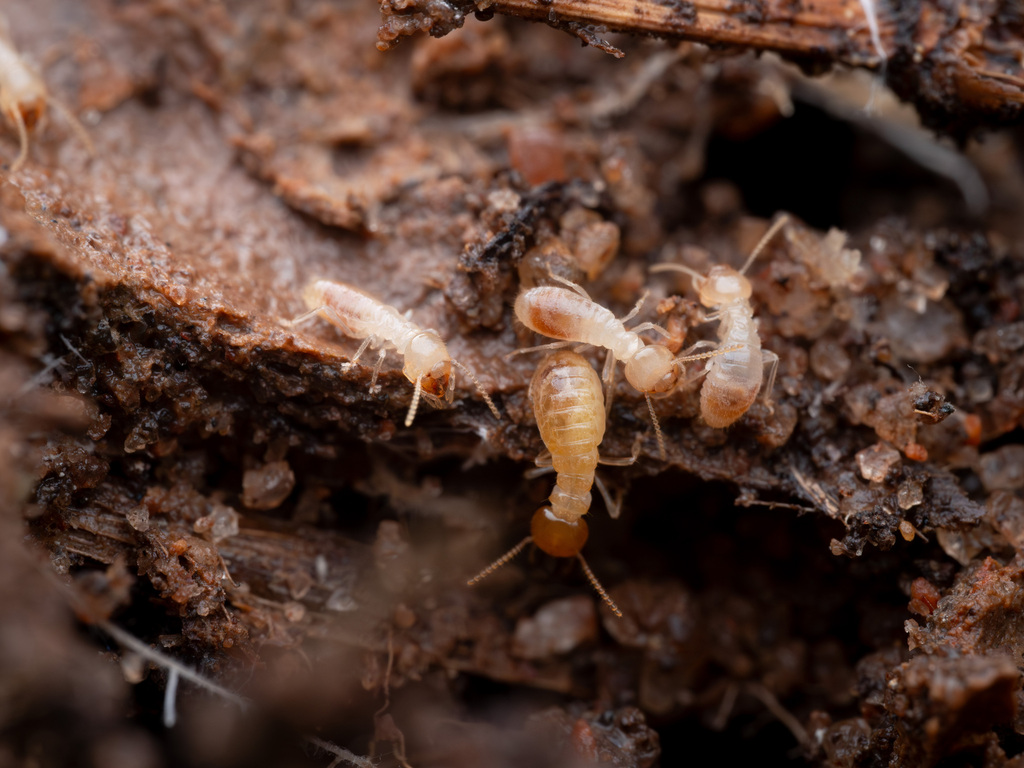
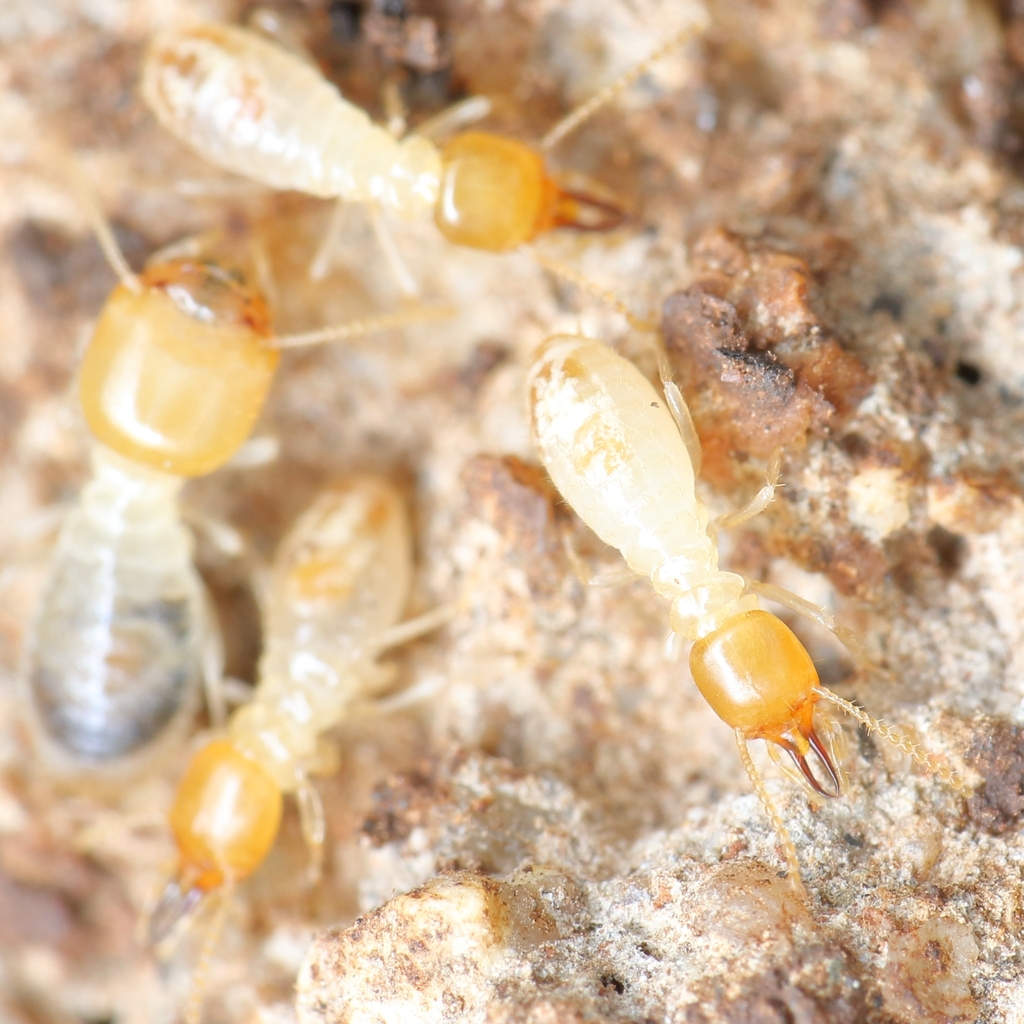
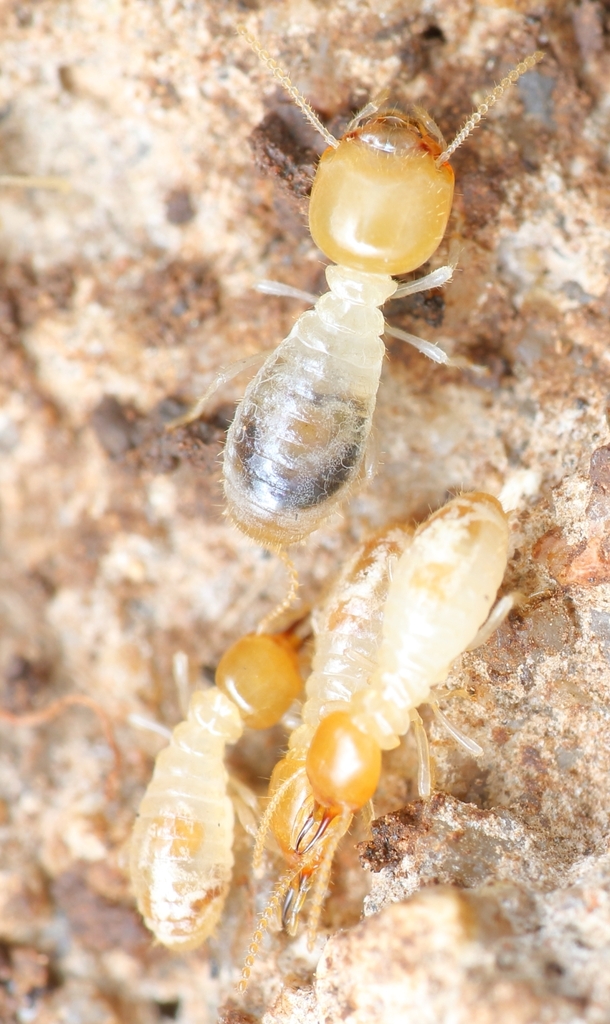
Photographs 523 photos · 19 species
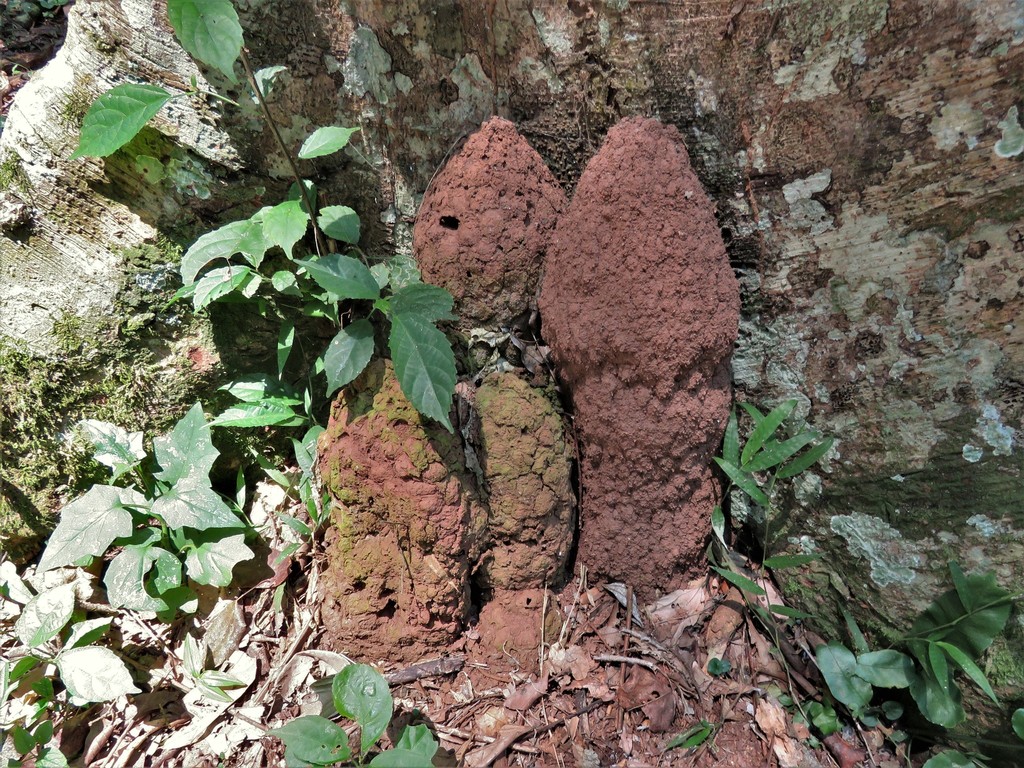
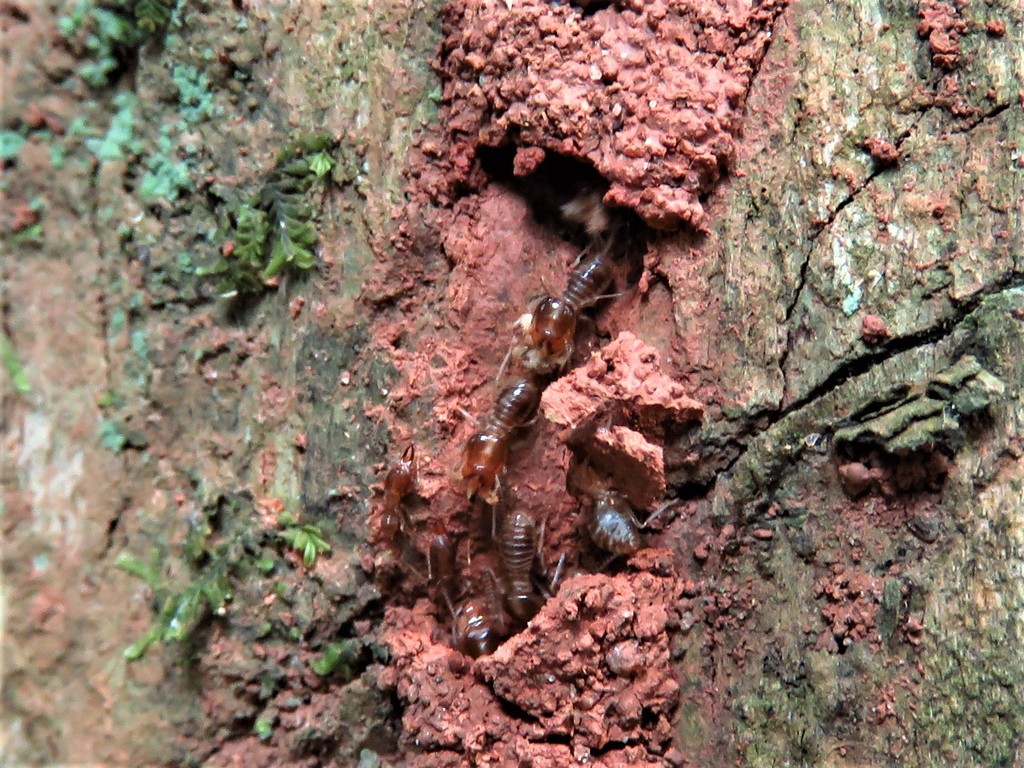
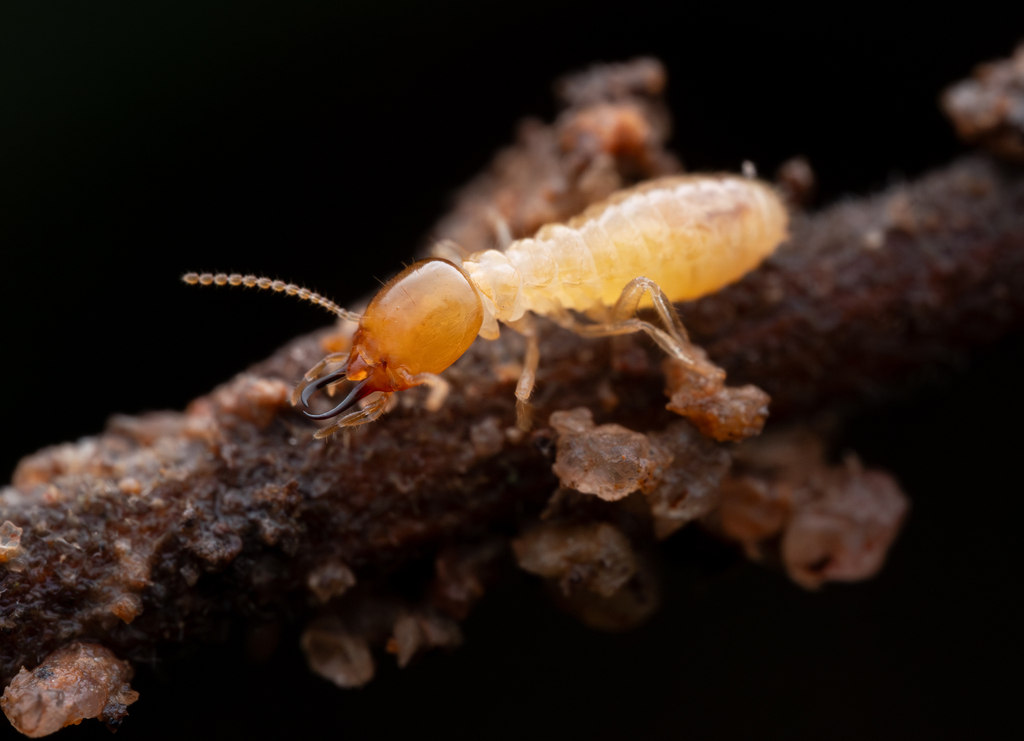
Freely licensed photos; click to enlarge. This preview shows 6 photos; to browse by species, open “All photos”. Photos are hotlinked from iNaturalist / Wikimedia Commons; the rights stay with the photographers.
About the subfamily
The subfamily Macrotermitinae was established by Kemner in 1934 (53), with the type genus Macrotermes Holmgren, 1909 (Greek makros, large, combined with Termes). This catalogue includes 12 genera and 373 species.
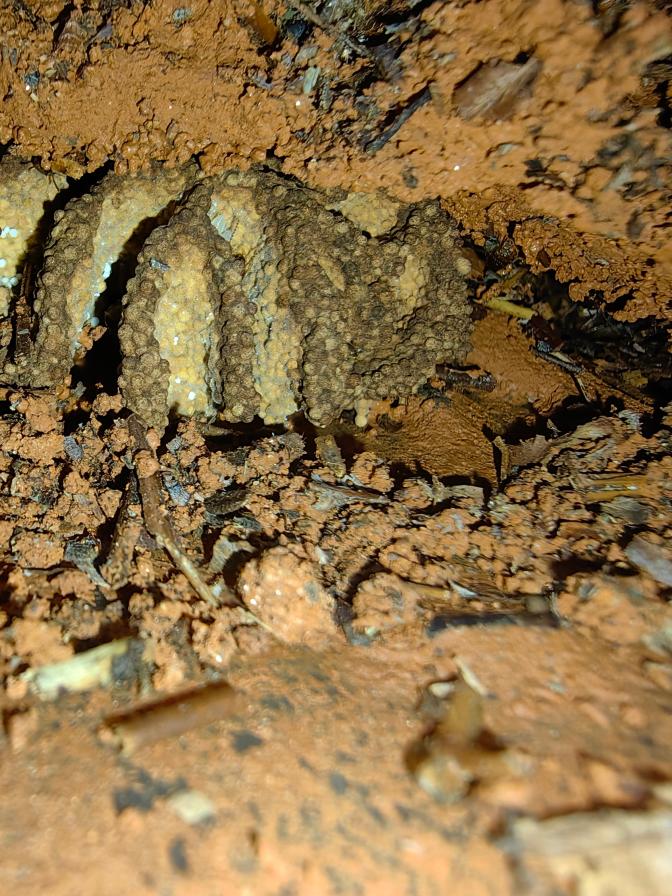
This subfamily is the only group within the Termitidae that is obligately symbiotic with the basidiomycete fungus Termitomyces, cultivating 'fungus combs' within its nests, a symbiosis that originated about 30 million years ago (54). Young workers mix comminuted plant material with spores in the gut, deposit the mixture to build the comb, and feed on the fungal conidia and the mature fungus comb, thereby making use of old, highly lignified plant debris. Its distribution is Old World tropical–subtropical: Africa has the richest fauna, followed by the Oriental realm (southern China has many endemic species), and there are a few representatives in Madagascar (the genus Microtermes) and the Arabian Peninsula (Yemen, Saudi Arabia, Oman); there is no natural occurrence in the Neotropical or Australian realms. Most species of this subfamily build subterranean nests or above-ground earthen mounds, in which the fungus-comb chambers and the tunnel system together serve in ventilation and in regulating temperature and humidity; the Macrotermes mounds of the African savanna can reach several metres in height and are among the most conspicuous ecosystem-engineering structures in the tropical landscape. The soldiers of this subfamily have well-developed frontal glands whose reservoirs are visible within the head capsule, a distinct fontanelle in front, and robust large mandibles with hooked apical margins, the left mandible usually bearing a tooth (most pronounced in the genus Odontotermes, from which the genus name derives); in the mature queen the abdomen swells into a giant physogastrium owing to extreme ovarian development, the queens of Macrotermes being the largest, and she lives in the royal chamber where she specializes in egg-laying. Both alates and workers have a sclerotized transverse band at the posterior part of the labrum, separated in the middle by a transparent membrane, and four lobes at the midgut–hindgut junction (anterior to the mixed segment), which are stable diagnostic characters of this subfamily.
Economically, this subfamily is the most important pest group of Old World agriculture and forestry: Macrotermes bellicosus and Macrotermes subhyalinus are the major termite pests of farmland, cacao plantations and coconut plantations in Africa, and their large mounds also hinder mechanized cultivation and harvesting; in southern China the black-winged soil termite Odontotermes formosanus is a major pest of reservoirs and river embankments (55), capable of causing seepage, piping, cave-in collapse and even breaching of the embankment, and it attacks more than a hundred kinds of plants including tea, citrus, eucalyptus and sugarcane, while in the sugarcane areas of Yunnan it damages sugarcane together with Macrotermes barneyi, causing significant yield reduction (56); in India Odontotermes obesus and Microtermes obesi attack wheat, maize, sugarcane, tea and various other crops, causing serious yield reduction and even total crop failure (57, 58). On the other hand, the Termitomyces mushrooms cultivated by this subfamily are famous edible fungi in Asia and Africa. In addition, genera such as Ancistrotermes, Hypotermes, Pseudacanthotermes and Allodontermes are crop pests in Africa and South Asia (10).
This section is the standing account the site maintains for this rank and is updated on this page as the classification is revised; the checklist index is in the Checklist.
Genera (12)
- Acanthotermes 刺白蚁属 1 species
- Allodontermes 奇齿白蚁属 3 species
- Ancistrotermes 钩白蚁属 16 species, 2 subspecies
- Euscaiotermes 左转白蚁属 1 species
- Hypotermes 地白蚁属 13 species
- Macrotermes 大白蚁属 57 species
- Megaprotermes 大前白蚁属 1 species
- Microtermes 小白蚁属 69 species, 2 subspecies
- Odontotermes 土白蚁属 198 species, 10 subspecies
- Protermes 前白蚁属 5 species
- Pseudacanthotermes 伪刺白蚁属 6 species, 2 subspecies
- Synacanthotermes 聚刺白蚁属 3 species
Parent level: Checklist index · Termitidae 白蚁科 · Data & downloads