Subfamily Nasutitermitinae · 象白蚁亚科
Filter the taxa recorded under this subfamily by name and locality; for the whole site use the full-text search.
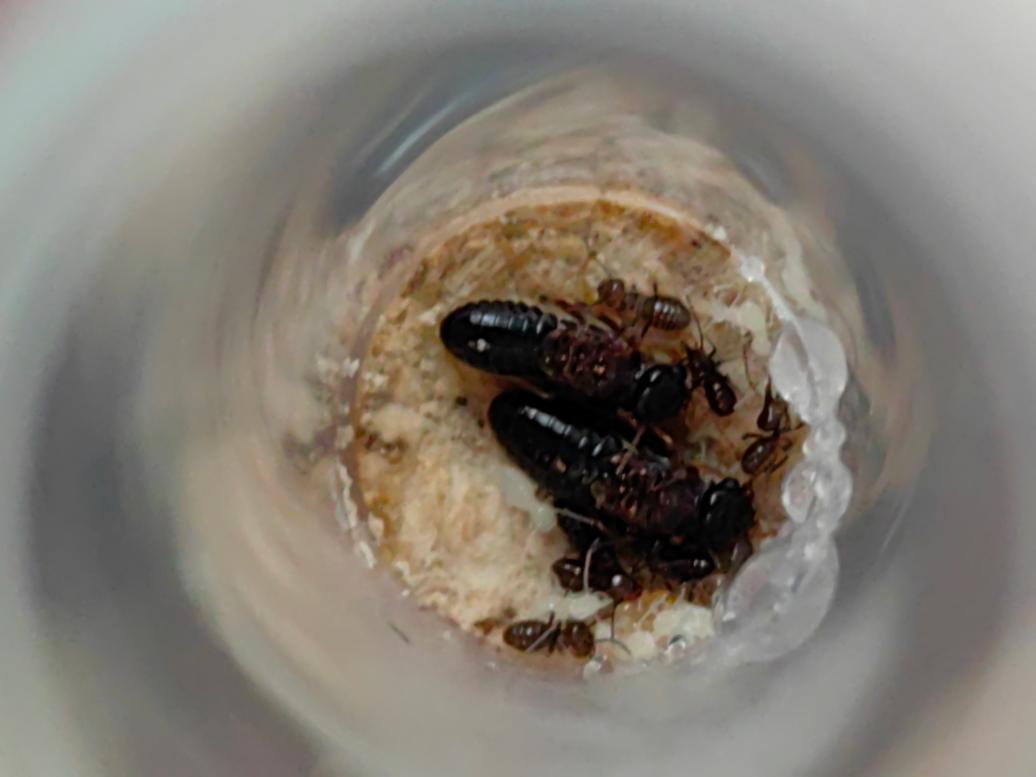
Distribution map
Photographs 731 photos · 36 species
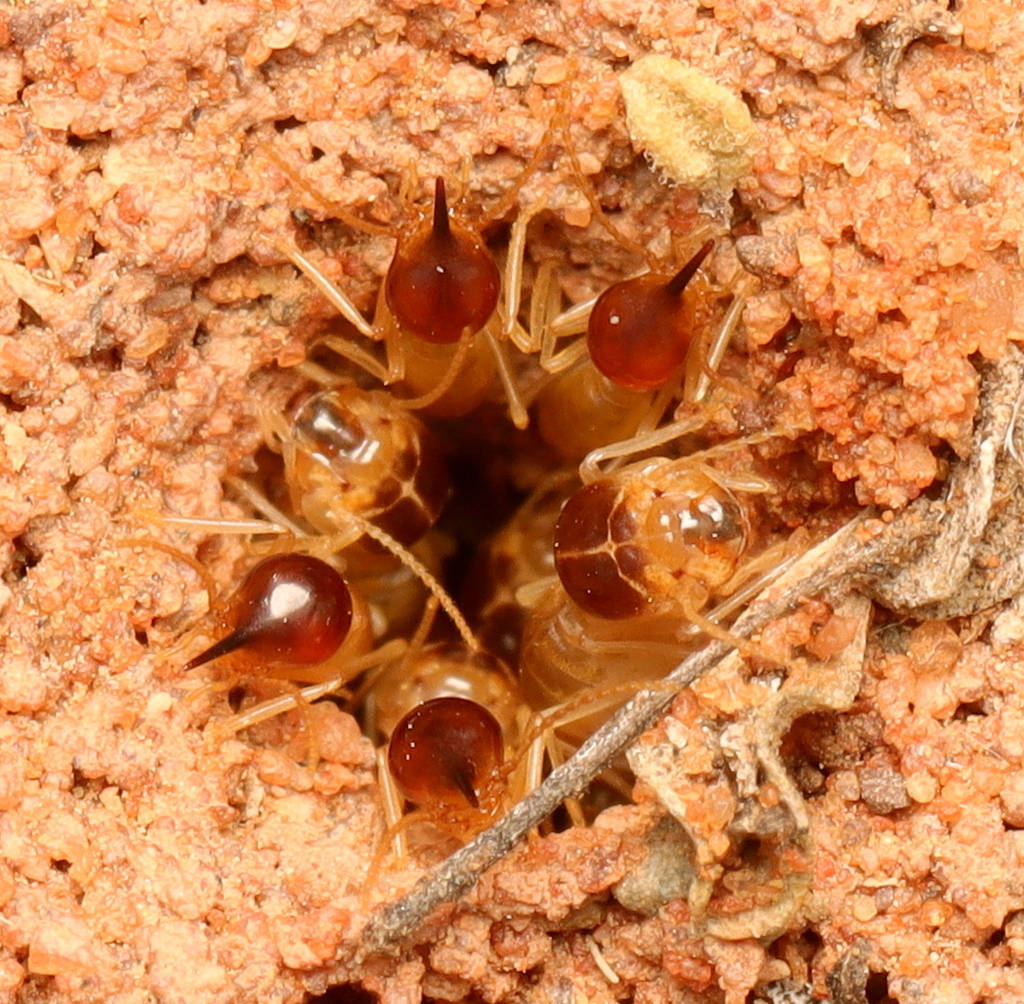
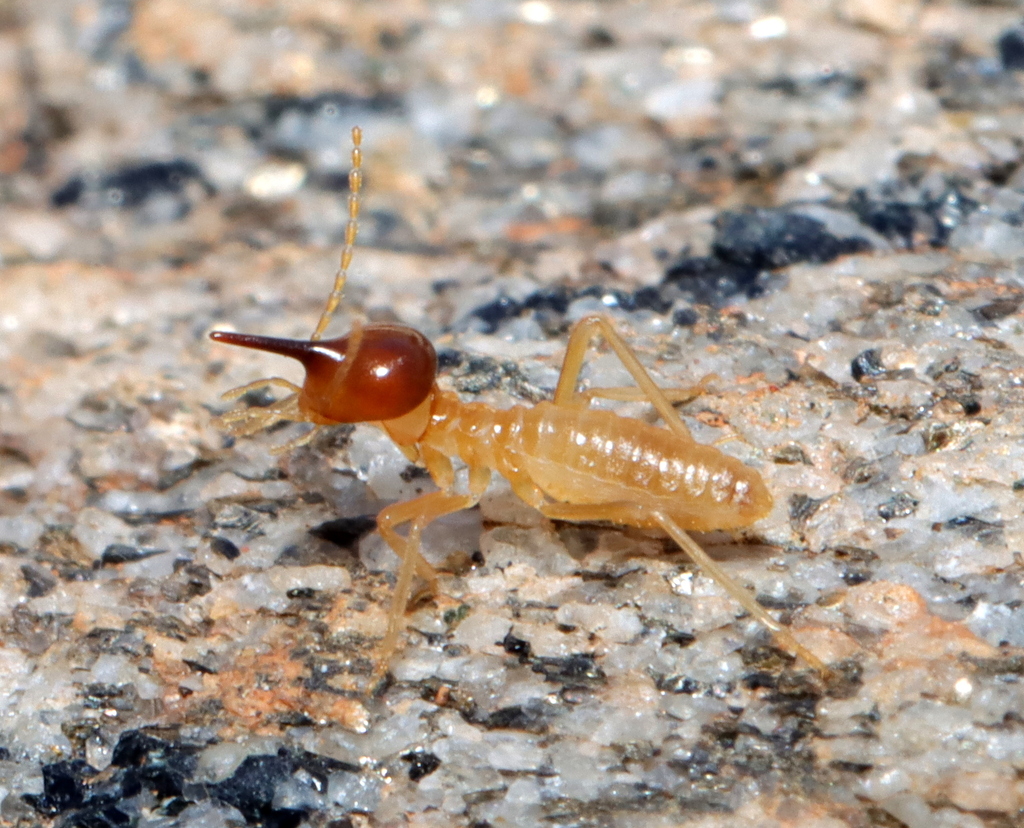
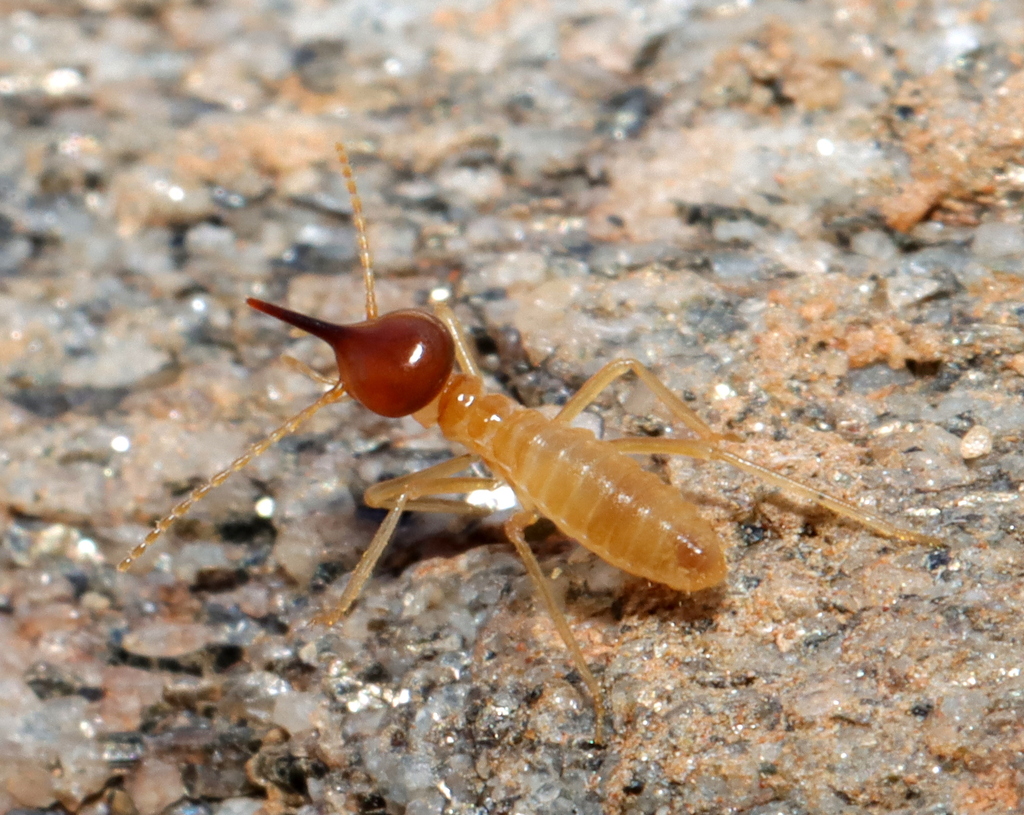
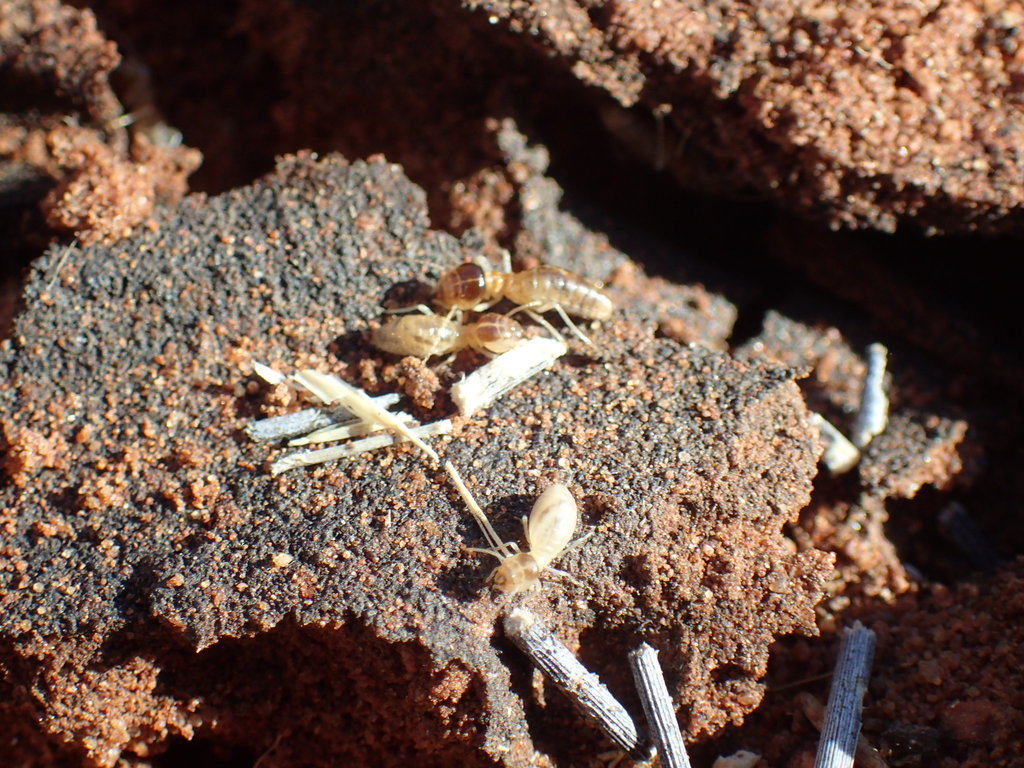
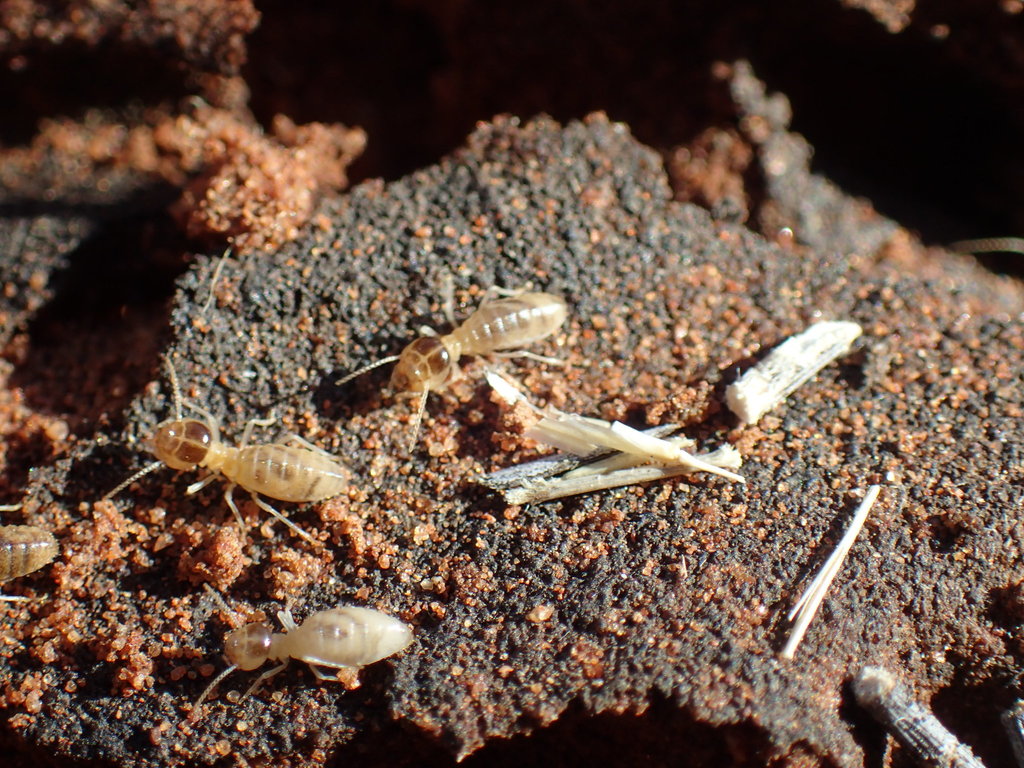
Freely licensed photos; click to enlarge. This preview shows 6 photos; to browse by species, open “All photos”. Photos are hotlinked from iNaturalist / Wikimedia Commons; the rights stay with the photographers.
About the subfamily
The subfamily Nasutitermitinae was established by Hare in 1937 ('Termite phylogeny as evidenced by soldier mandible development', p. 462) (63), with the type genus Nasutitermes Dudley, 1890; the subfamily name is derived from the type genus, Nasutitermes being a combination of the Latin nasus (nose) and termes, referring to the conical nasus into which the front of the soldier head is prolonged. This catalogue includes 81 genera and 606 species.
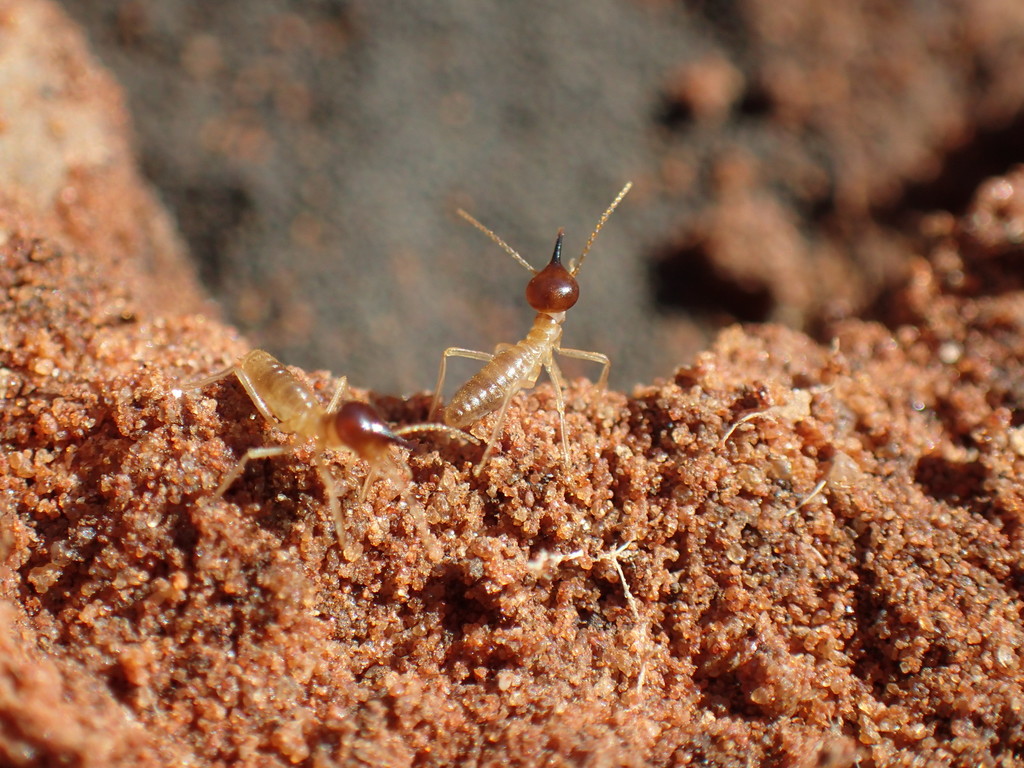
This subfamily has the nasute soldier as a synapomorphy: the front of the head capsule is prolonged into a conical nasus, through which the frontal-gland secretion is ejected for defence, while the mandibles are markedly reduced and no longer used for biting, making this a lineage with highly specialized defence within the family. The frontal-gland secretion consists mainly of monoterpene resins, which are ejected through the nasus and congeal into a sticky substance on contact with air, also serving as an alarm pheromone; its detailed composition varies among genera and species, for example the secretion of Tenuirostritermes tenuirostris contains about 62% pinene, 27% myrcene and 11% limonene (64). The workers are monomorphic, with a distinctly raised postclypeus; the sclerotized structure of the enteric valve varies among genera, and in the genus Nasutitermes the enteric valve is composed of three pairs of pad-like folds whose surface is covered with circular scales. The alates have distinct ocelli and large compound eyes. The diet includes wood-feeding, leaf-litter feeding, soil-humus feeding and feeding on epiphytic algae, among others; nests include arboreal carton nests, subterranean nests and hard surface mounds. The subfamily is pantropical in distribution, with the highest diversity in the Neotropical and Afrotropical realms.
Economically, this subfamily is an important pest group of tropical timber structures and economic forest trees: the Ceylon nasute termite N. ceylonicus damages coconut trunks in Sri Lanka (65), and N. matangensis damages the timber of traditional residential buildings in Indonesia. Among them, Nasutitermes corniger is naturally distributed in Mexico, Central America, northern South America, and the islands of the West Indies, and introduction records document its entry into the Bahamas, Palau, Papua New Guinea, and the United States; in 2001 this species established in Florida the first non-native field population of a termitid (Termitidae) in the United States (4, 66), with a diet spanning crops, orchards, garden plants, and structural timber. Sinonasutitermes and Xiaitermes damage structural timber in China (67); Trinervitermes damages pasture and eucalyptus seedlings in Africa and India (10, 68); Tumulitermes damages pasture in Australia; and Hospitalitermes monoceros is a major pest of sugarcane in India and Sri Lanka (69).
This section is the standing account the site maintains for this rank and is updated on this page as the classification is revised; the checklist index is in the Checklist.
Genera (81)
- Aciculitermes 针白蚁属 2 species
- Afrosubulitermes 非锥白蚁属 1 species
- Agnathotermes 无颚白蚁属 2 species
- Ahmaditermes 钝颚白蚁属 21 species
- Ampoulitermes 安瓿白蚁属 2 species
- Angularitermes 棱角白蚁属 6 species
- Anhangatermes 魔白蚁属 5 species
- Antillitermes 安的列斯白蚁属 1 species
- Araujotermes 阿劳若白蚁属 4 species
- Arcotermes 弧白蚁属 1 species
- Atlantitermes 阿特拉斯白蚁属 8 species
- Australitermes 澳大利亚白蚁属 3 species
- Baucaliotermes 细颈白蚁属 1 species
- Bulbitermes 瓢白蚁属 34 species
- Caetetermes 林白蚁属 2 species
- Caribitermes 加勒比白蚁属 1 species
- Ceylonitermellus 小锡兰白蚁属 3 species
- Ceylonitermes 锡兰白蚁属 4 species
- Coarctotermes 缩狭白蚁属 4 species
- Coatitermes 凸鼻白蚁属 4 species
- Coendutermes 箭猪白蚁属 1 species
- Constrictotermes 缩白蚁属 6 species
- Convexitermes 凸白蚁属 2 species
- Cortaritermes 利颚白蚁属 5 species
- Cucurbitermes 葫白蚁属 3 species
- Cyranotermes 巨鼻白蚁属 4 species
- Diversitermes 歧白蚁属 4 species
- Diwaitermes 木象白蚁属 3 species
- Eleanoritermes 埃莉诺白蚁属 1 species
- Emersonitermes 埃默森白蚁属 1 species
- Enetotermes 针筒白蚁属 1 species
- Ereymatermes 无名白蚁属 3 species
- Eutermellus 小真白蚁属 5 species
- Fulleritermes 富勒白蚁属 4 species
- Grallatotermes 高跷白蚁属 7 species
- Hirtitermes 多毛白蚁属 3 species
- Hospitalitermes 须白蚁属 37 species, 2 subspecies
- Hyleotermes 森林白蚁属 1 species
- Kaudernitermes 考登白蚁属 4 species
- Lacessititermes 怒白蚁属 20 species
- Leptomyxotermes 薄喙白蚁属 1 species
- Leucopitermes 白脸白蚁属 4 species
- Longipeditermes 长足白蚁属 2 species
- Macrosubulitermes 大锥白蚁属 1 species
- Malagasitermes 马尔加什白蚁属 1 species
- Malaysiotermes 马来白蚁属 2 species
- Mimeutermes 仿白蚁属 6 species
- Muelleritermes 米勒白蚁属 2 species
- Mycterotermes 鸟嘴白蚁属 1 species
- Nasopilotermes 棘象白蚁属 1 species
- Nasutitermes 象白蚁属 243 species, 8 subspecies
- Ngauratermes 凋落白蚁属 1 species
- Niuginitermes 新几内亚白蚁属 2 species
- Obtusitermes 钝白蚁属 4 species
- Occasitermes 西部白蚁属 2 species
- Occultitermes 隐白蚁属 2 species
- Oriensubulitermes 东锥白蚁属 2 species
- Paraconvexitermes 近凸白蚁属 3 species
- Parvitermes 微白蚁属 11 species
- Periaciculitermes 近针白蚁属 1 species
- Postsubulitermes 后锥白蚁属 1 species
- Rhadinotermes 锥形白蚁属 1 species
- Roonwalitermes 鲁恩沃白蚁属 1 species
- Rotunditermes 圆白蚁属 2 species
- Rounditermes 胖白蚁属 1 species
- Sabahitermes 沙巴白蚁属 2 species
- Sandsitermes 桑兹白蚁属 1 species
- Sinonasutitermes 华象白蚁属 11 species
- Sinqasapatermes 鼻大白蚁属 1 species
- Spatulitermes 匙白蚁属 1 species
- Subulioiditermes 似锥白蚁属 3 species
- Subulitermes 锥白蚁属 6 species
- Tarditermes 慢白蚁属 1 species
- Tenuirostritermes 薄嘴白蚁属 5 species
- Tiunatermes 暗鼻白蚁属 2 species
- Triangularitermes 三角白蚁属 1 species
- Trinervitermes 三脉白蚁属 21 species
- Tumulitermes 冢白蚁属 17 species
- Velocitermes 快白蚁属 9 species
- Verrucositermes 疣白蚁属 2 species
- Xiaitermes 夏氏白蚁属 1 species
Parent level: Checklist index · Termitidae 白蚁科 · Data & downloads