Genus Tenuirostritermes · 薄嘴白蚁属
Filter the taxa recorded under this genus by name and locality; for the whole site use the full-text search.
Distribution map
Photographs 95 photos · 2 species
Freely licensed photos; click to enlarge. This preview shows 6 photos; to browse by species, open “All photos”. Photos are hotlinked from iNaturalist / Wikimedia Commons; the rights stay with the photographers.
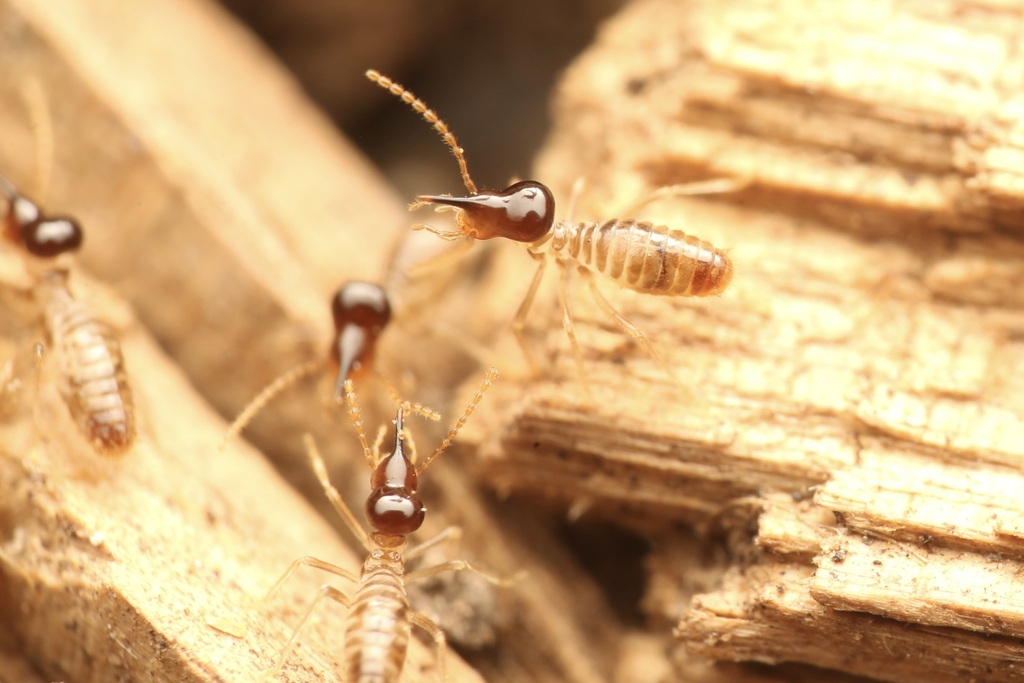
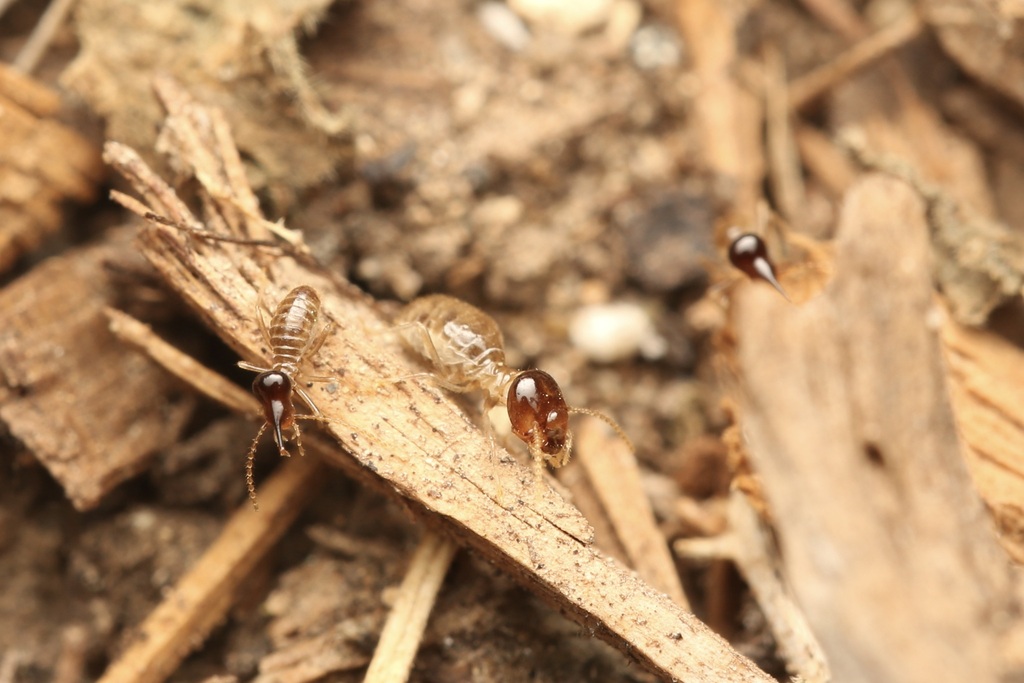
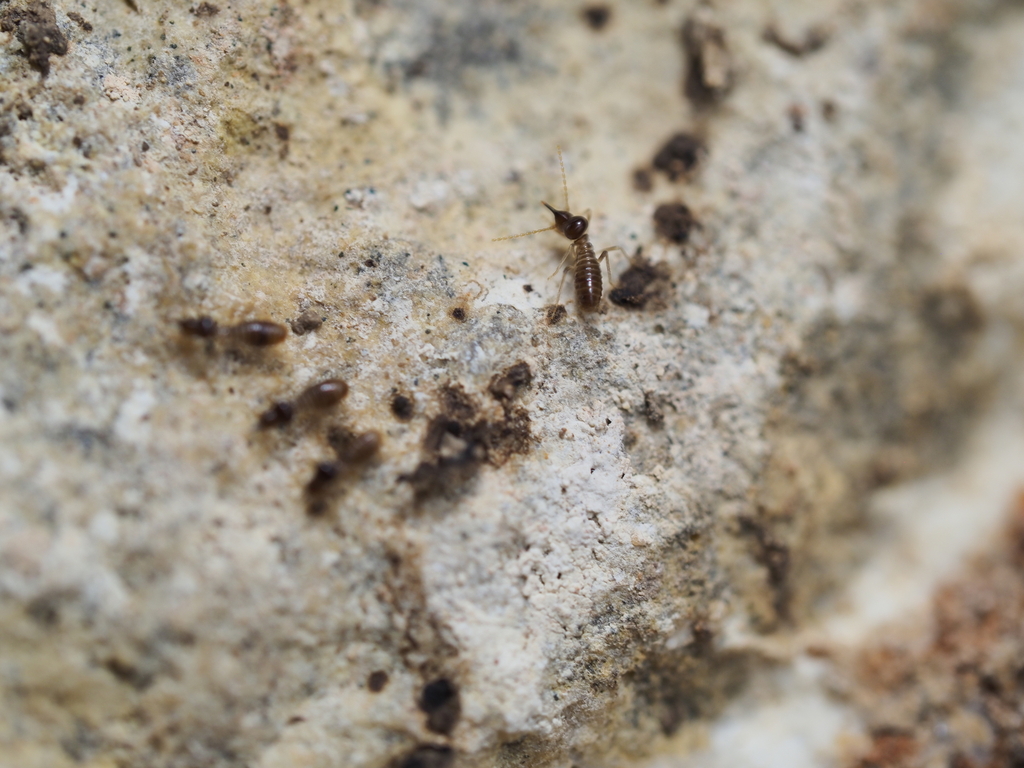
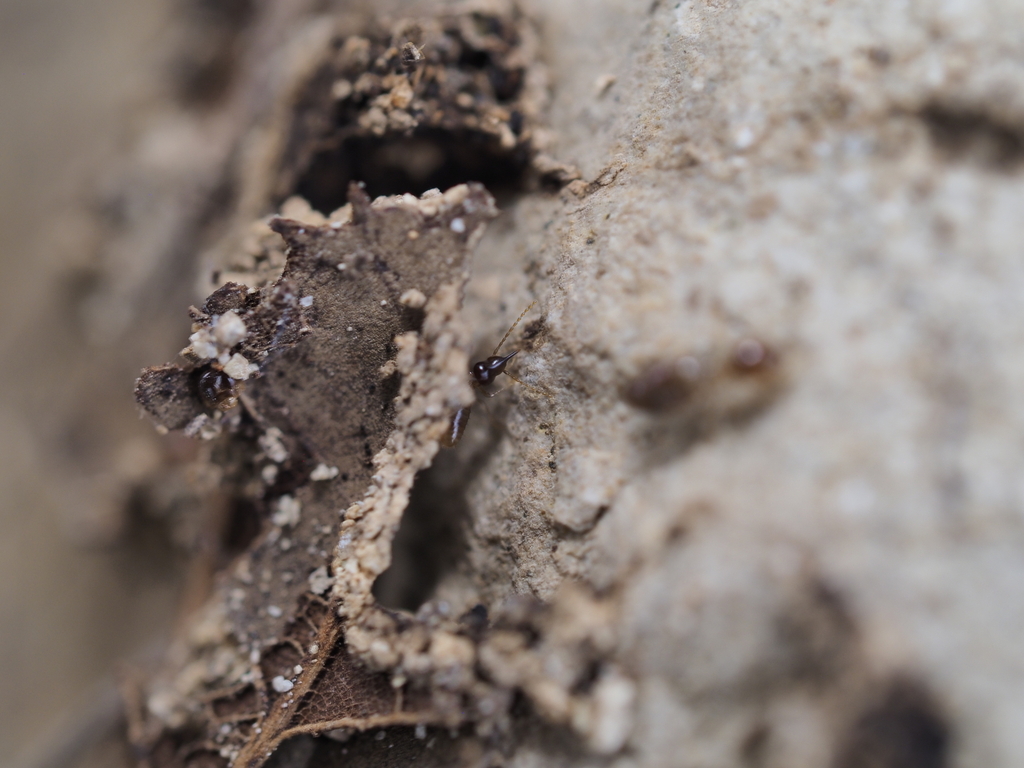
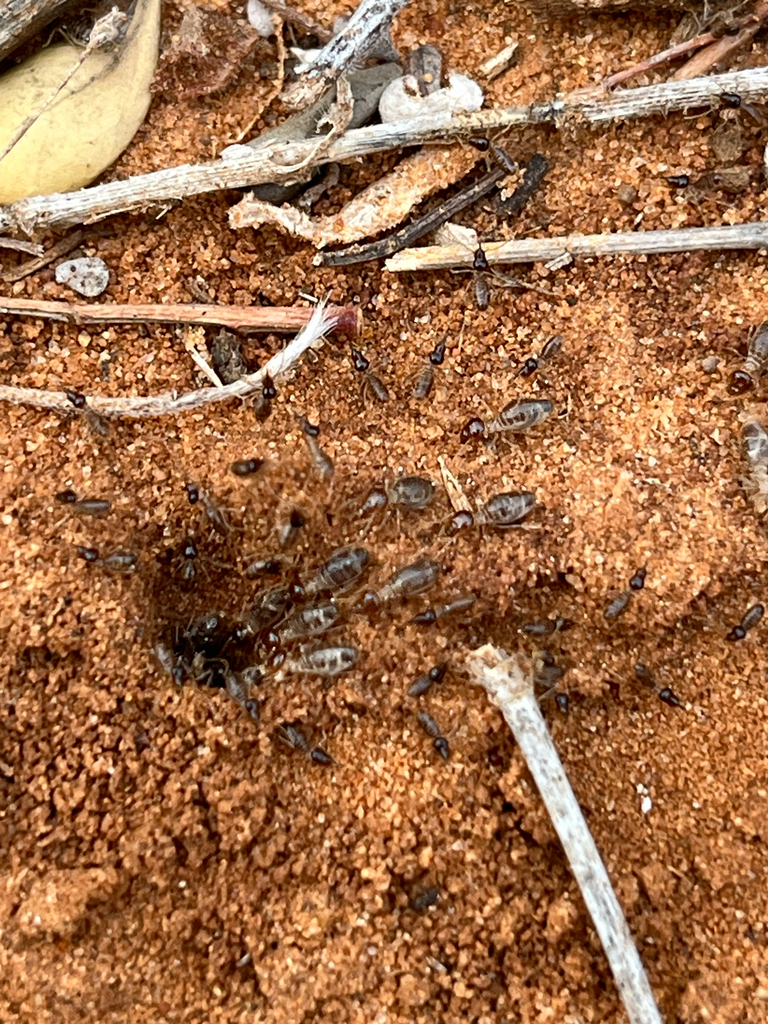
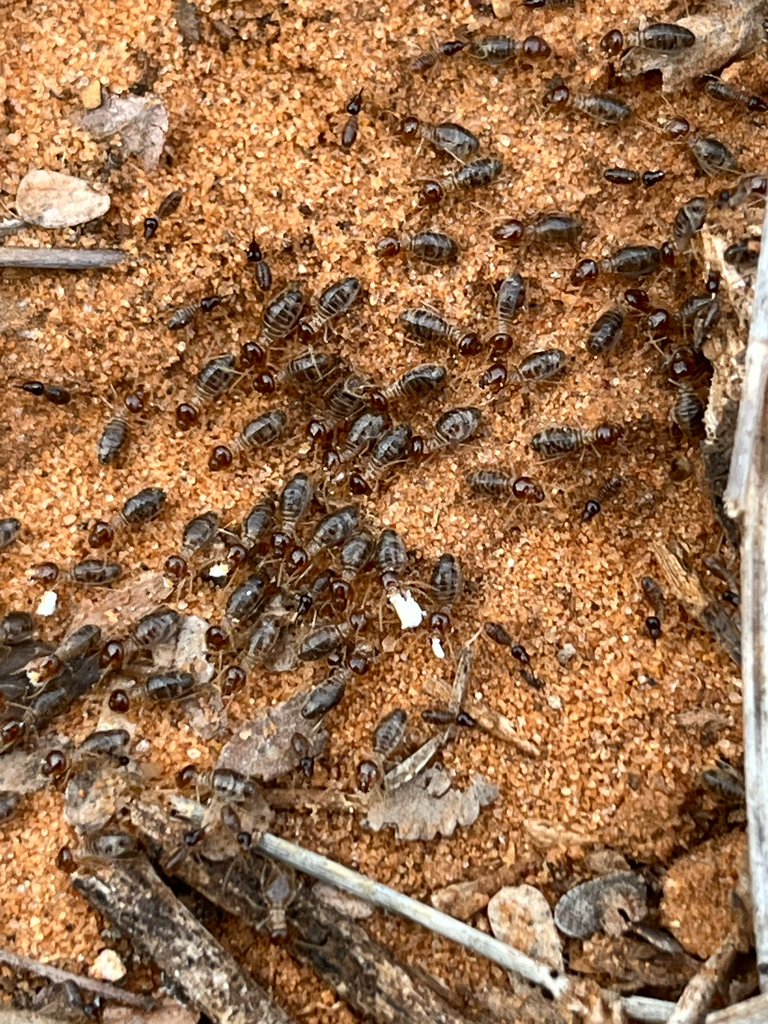
About the genus
This genus belongs to the family Termitidae 白蚁科, in the subfamily Nasutitermitinae 象白蚁亚科; the site records 5 species.
Type species: Tenuirostritermes tenuirostris.
This page includes a distribution map for the genus (GBIF records aggregated on a 1° grid); open a species entry to see its type locality, distribution, and references.
Etymology
From Latin tenuis (slender) + rostrum (beak) + termes.
The etymologies in this section are analytical breakdowns; the roots follow Brown (1956).
Morphology
The descriptions below are an adaptation of the original genus-level accounts; terms follow the meaning of the source, and the original is not transcribed verbatim.
Diagnostic characters
Soldier of a single morph, mandibles with an apical process, head capsule dumbbell-shaped constricted behind the antennal sockets, nasus narrowly cylindrical, antennae 11–12-segmented, the outline of the sides of the head far longer before the depression than behind it (Tafel III, Fig. 26). It differs from Constrictotermes in that the outline of the sides of the head before the depression is far longer than behind it (in the latter only slightly longer), and from Cephalotermes in that the nasus is narrow and not a long, thick cone. Holmgren considers this genus an intermediate link in the transition from Velocitermes to Constrictotermes: its soldier corresponds to the major soldier of Velocitermes (that is, the medium soldier of Diversitermes), and the small soldier has disappeared.
Soldier
Mandibles with an apical process; a single soldier morph; nasus conical to cylindrical, never very broad; antennae 11–12-segmented; head capsule dumbbell-shaped constricted behind the antennal sockets; the outline of the sides of the head far longer before the depression than behind it; nasus narrowly cylindrical.
Sources: Holmgren, N. 1912. Termitenstudien. 3. Systematik der Termiten. Die Familie Termitidae, Isoptera. Kungliga Svenska Vetenskapsakademiens Handlingar, 48(4): 59–62, 68–72., p. 61(兵蚁检索表 dd/e/f),p. 71(系统学讨论) This text is an adaptation, not a verbatim transcription of the original.
Species (5)
Parent level: Checklist index · Nasutitermitinae 象白蚁亚科 · Data & downloads