Tenuirostritermes tenuirostris 薄嘴薄嘴白蚁
- Type locality
- Mexico: Jalisco; Veracruz: Orizaba
- Distribution
- United States, Mexico
List: English (genus page) · 中文 · Español
Summary
Tenuirostritermes tenuirostris is a species and the type species of the genus Tenuirostritermes, in the family TERMITIDAE (subfamily Nasutitermitinae). The species was described by Desneux in 1904; the type locality is Mexico: Jalisco; Veracruz: Orizaba. Distribution: United States, Mexico.
Etymology
Genus name Tenuirostritermes: From Latin tenuis (slender) + rostrum (beak) + termes.
Specific epithet tenuirostris: From tenui + rostris
Taxonomic position
- Family: TERMITIDAE — 280 genera, 2144 species
- Subfamily: Nasutitermitinae — 81 genera, 606 species
- Genus: Tenuirostritermes — 5 species
Distribution
- Distribution records: United States, Mexico
The record above follows the wording of the original data; no geocoding or standardized place names have been applied.
Morphology
A species-level description from the original literature has not yet been compiled for this page. Original description: Desneux, 1904. See the genus page for the genus-level description; this page will be updated after the original text is checked.
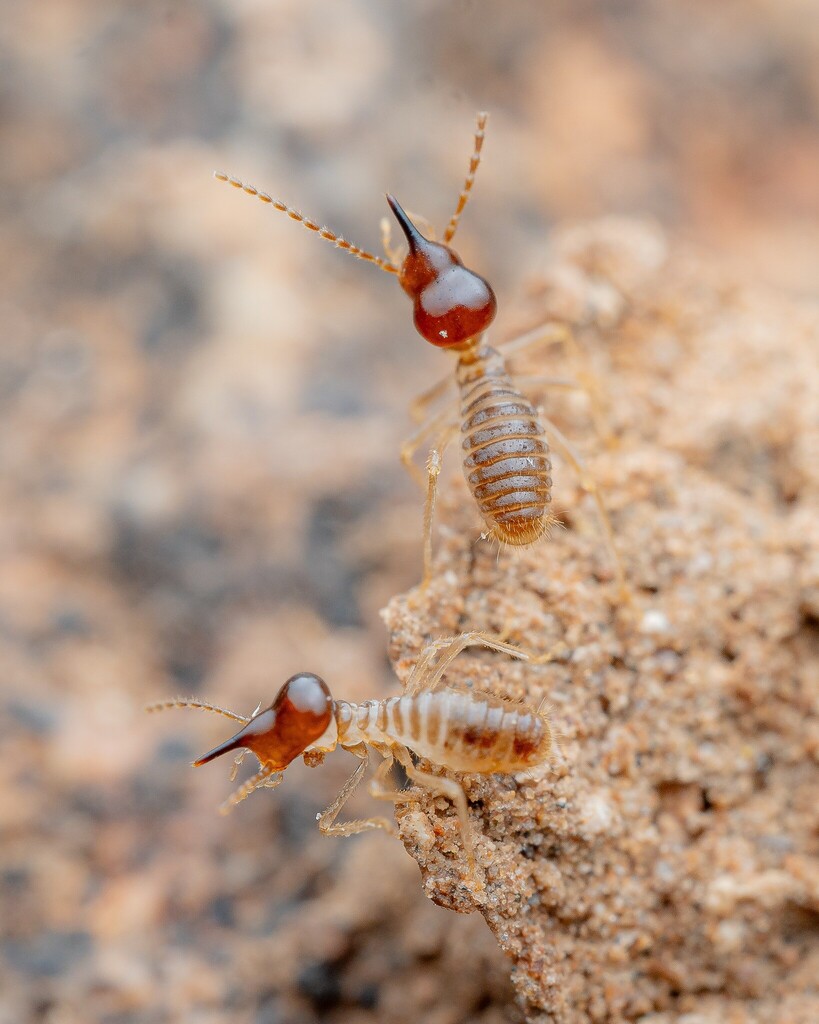
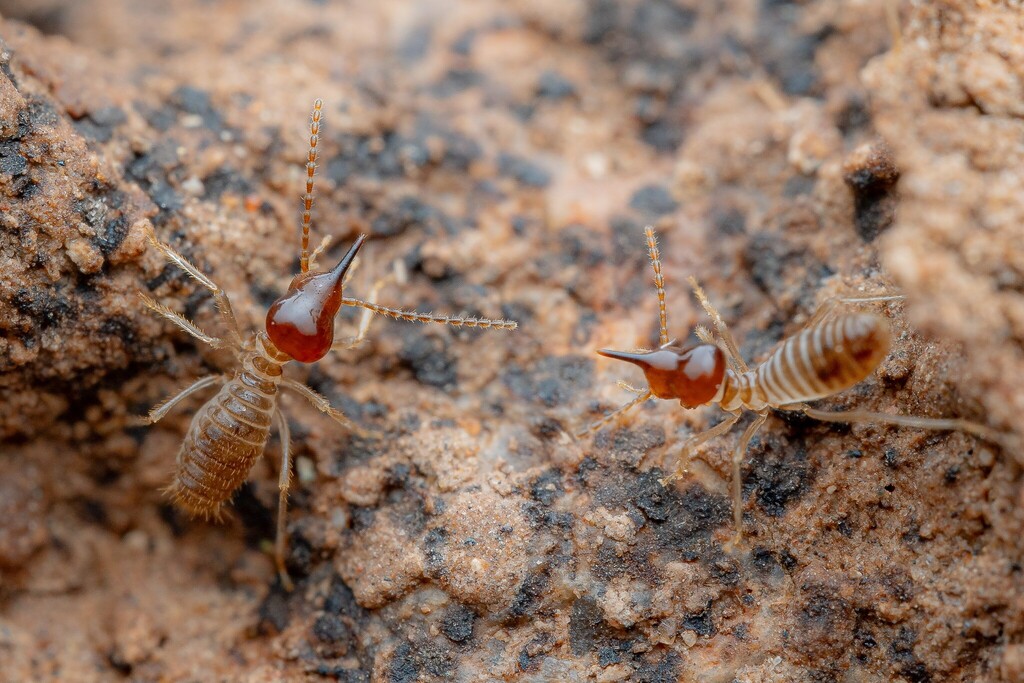
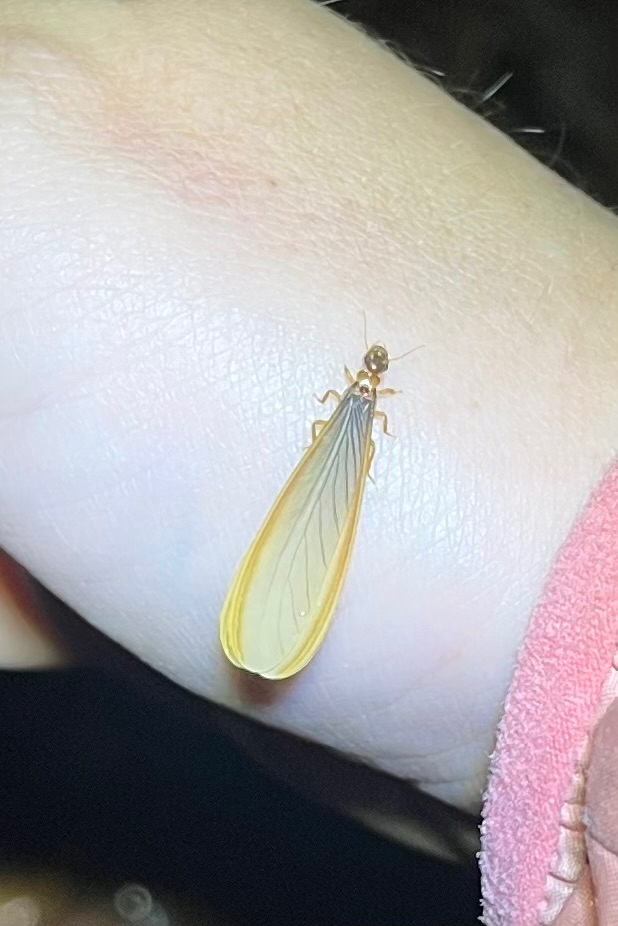
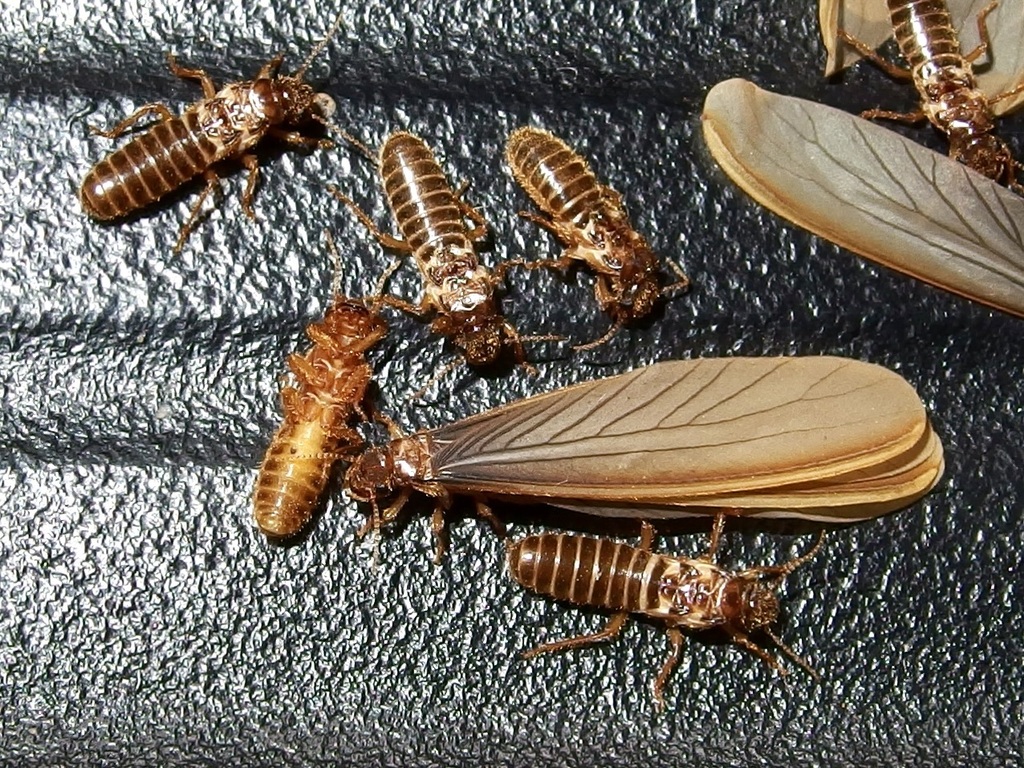
Photos 20 photos
Freely licensed photos, click to enlarge. Hotlinked from iNaturalist / Wikimedia Commons; the rights stay with the photographers — author, licence and source page are shown under each photo. Only the first 6 are shown here; the rest are under “All photos” at the end of the page.
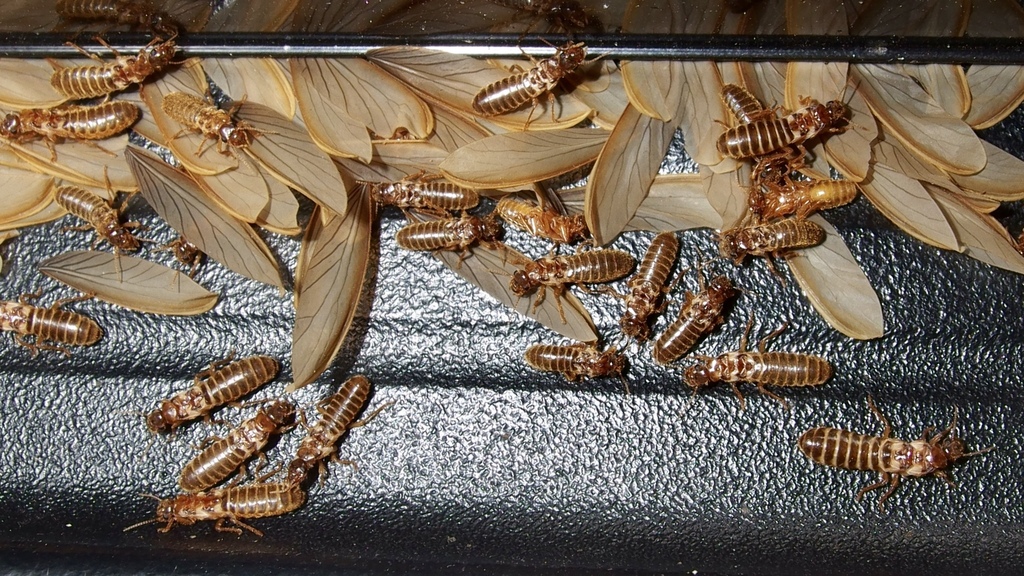
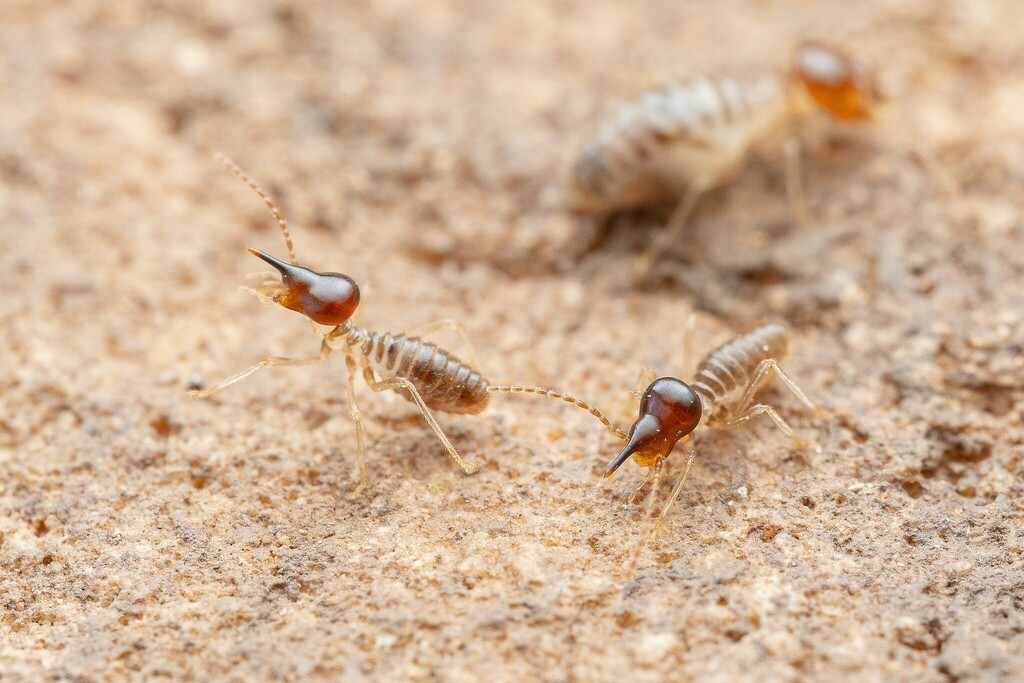
Distribution map
Aggregated from GBIF occurrence records on a 1° grid; only extant taxa of this checklist are used, so fossil records are excluded. Dot size and shade show the number of records inside a cell.
Related papers
Cached papers for this genus (matched automatically, for reference); to search this species with its junior synonyms merged in, use the literature search.
- Free diurnal foraging by the North American nasutiform termite, Tenuirostritermes tenuirostris (Isoptera: Termitidae).
Abstract
- New Records of Termites and Damage of Heterotermes convexinotatus1 in Huehuetlán El Grande, Puebla, Mexico
Abstract
Con el objetivo de contribuir al conocimiento de las termitas presentes en zonas urbanas y huertos de aguacate y conocer la especie que más daño ocasiona en los sitios de estudio del municipio de Huehuetlán El Grande, Puebla, se colectaron organismos durante los meses de mayo del 2021 a febrero del 2022 mediante captura directa e indirecta con trampas de cartón. Se determinaron cuatro especies y una morfoespecie correspondientes a Incisitermes marginipennis Latreille, Incisitermes minor Hagen, Heterotermes convexinotatus Snyder, Reticulitermes flavipes Kollar y Tenuirostritermes sp. Hare, aumentando los registros para Puebla a ocho, incluyendo cuatro registros nuevos para el estado, además, se reporta a la especie H. convexinotatus causando daños severos en construcciones.
- A molecular survey of Australian and North American termite genera indicates that vertical inheritance is the primary force shaping termite gut microbiomes
Abstract
BACKGROUND: Termites and their microbial gut symbionts are major recyclers of lignocellulosic biomass. This important symbiosis is obligate but relatively open and more complex in comparison to other well-known insect symbioses such as the strict vertical transmission of Buchnera in aphids. The relative roles of vertical inheritance and environmental factors such as diet in shaping the termite gut microbiome are not well understood. RESULTS: The gut microbiomes of 66 specimens representing seven higher and nine lower termite genera collected in Australia and North America were profiled by small subunit (SSU) rRNA amplicon pyrosequencing. These represent the first reported culture-independent gut microbiome data for three higher termite genera: Tenuirostritermes, Drepanotermes, and Gnathamitermes; and two lower termite genera: Marginitermes and Porotermes. Consistent with previous studies, bacteria comprise the largest fraction of termite gut symbionts, of which 11 phylotypes (6 Treponema, 1 Desulfarculus-like, 1 Desulfovibrio, 1 Anaerovorax-like, 1 Sporobacter-like, and 1 Pirellula-like) were widespread occurring in ≥50% of collected specimens. Archaea are generally considered to comprise only a minority of the termite gut microbiota (<3%); however, archaeal relative abundance was substantially higher and variable in a number of specimens including Macrognathotermes, Coptotermes, Schedorhinotermes, Porotermes, and Mastotermes (representing up to 54% of amplicon reads). A ciliate related to Clevelandella was detected in low abundance in Gnathamitermes indicating that protists were either reacquired after protists loss in higher termites or persisted in low numbers across this transition. Phylogenetic analyses of the bacterial communities indicate that vertical inheritance is the primary force shaping termite gut microbiota. The effect of diet is secondary and appears to influence the relative abundance, but not membership, of the gut communities. CONCLUSIONS: Vertical inheritance is the primary force shaping the termite gut microbiome indicating that species are successfully and faithfully passed from one generation to the next via trophallaxis or coprophagy. Changes in relative abundance can occur on shorter time scales and appear to be an adaptive mechanism for dietary fluctuations.
Papers on this species, synonyms included → OpenAlex Google Scholar CNKI
Abstracts come from open metadata; copyright remains with the original authors/publishers. For reference only — please check the original.
Other species in Tenuirostritermes (4 species)
Cite this species
Citation strings are generated from the fields of this page; please keep the DOI and the version number when citing.
GB/T 7714
班奈特格林. Extant Isoptera (termites): a checklist of Latin and Chinese names: Tenuirostritermes tenuirostris 薄嘴薄嘴白蚁[EB/OL]. Version 2026.10.30. https://termite-extant-isoptera.org/en/species/tenuirostritermes-tenuirostris/. DOI: 10.5281/zenodo.23646836.
BibTeX
@misc{isoptera_tenuirostritermes_tenuirostris_2026,
  author       = {班奈特格林},
  title        = {Tenuirostritermes tenuirostris: a checklist of extant Isoptera (termites)},
  year         = {2026},
  version      = {2026.10.30},
  howpublished = {https://termite-extant-isoptera.org/en/species/tenuirostritermes-tenuirostris/},
  note         = {TERMITIDAE; version 2026.10.30; DOI: 10.5281/zenodo.23646836},
  doi          = {10.5281/zenodo.23646836}
}
RIS
TY  - ELEC
TI  - Tenuirostritermes tenuirostris: a checklist of extant Isoptera (termites)
AU  - 班奈特格林
PY  - 2026
UR  - https://termite-extant-isoptera.org/en/species/tenuirostritermes-tenuirostris/
DO  - 10.5281/zenodo.23646836
ER  -