Subfamily Apicotermitinae · 尖白蚁亚科
Filter the taxa recorded under this subfamily by name and locality; for the whole site use the full-text search.
Distribution map
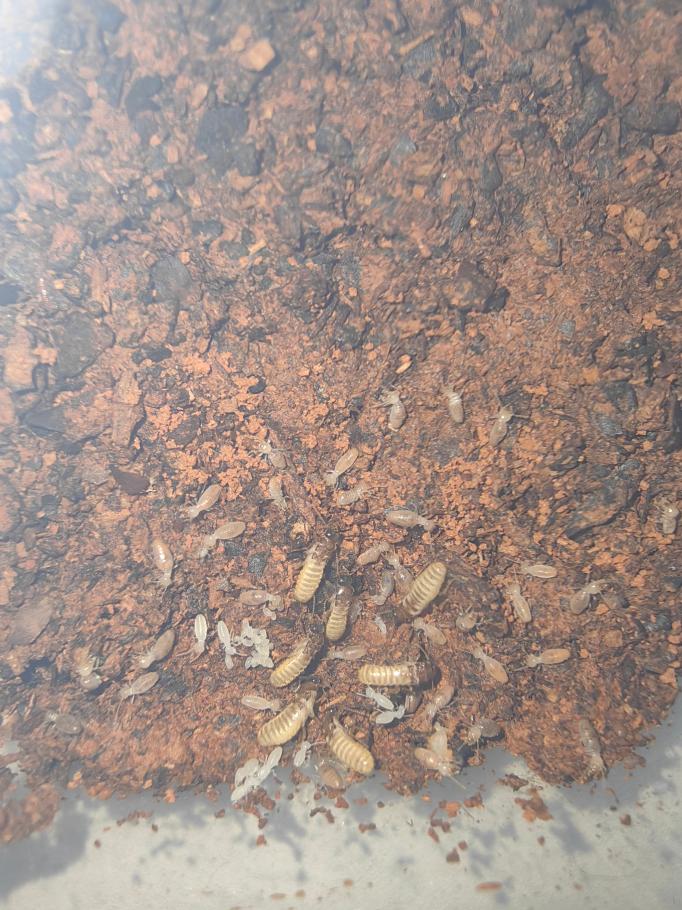
Photographs 40 photos · 8 species
Freely licensed photos; click to enlarge. This preview shows 6 photos; to browse by species, open “All photos”. Photos are hotlinked from iNaturalist / Wikimedia Commons; the rights stay with the photographers.


About the subfamily
The subfamily Apicotermitinae was established by Grassé and Noirot in 1955 in their work on Apicotermes arquieri (41); the type genus is Apicotermes Holmgren, 1911, from which the subfamily name is derived. This checklist includes 68 genera and 241 species.
This subfamily is the principal home of the soldierless groups among the higher termites: the great majority of species independently lost the soldier caste in the course of evolution (in at least two independent events), with only a few relatively basal genera retaining soldiers. The few genera that retain soldiers are all restricted to the Afrotropical and Oriental realms: the Afrotropical realm has Machadotermes, Jugositermes, Phoxotermes, Rostrotermes, Coxotermes, Eburnitermes, and others, while the Oriental realm has Indotermes and Eurytermes; all known Neotropical species are soldierless. In those groups that retain soldiers, the soldier mandibles are short and stout, of the piercing–cutting type, and the mandibles of Machadotermes soldiers are the shortest in the whole subfamily; the abdomens of the soldiers of Eburnitermes, Indotermes, and Eurytermes are milky white because they are fed solely on worker saliva (white-gut soldiers). In the worker, the apical tooth and the first marginal tooth of the left mandible are large and project clearly above the line joining the third marginal tooth and the molar prominence, and an accessory (fourth) marginal tooth is visible above the molar prominence; the apical tooth of the right mandible is longer than the first marginal tooth — this is the common mandibular outline of workers of this subfamily, whereas generic identification still depends on details of the enteric valve. Feeding is mainly geophagous (on humus), although not all species are soil-feeders: for example, Ruptitermes arboreus of the genus Ruptitermes and Indotermes feed on a broader range of substrates (including leaf litter). This subfamily builds diffuse subterranean nests and leads a concealed existence, and taxonomic identification has long relied on worker enteric-valve morphology and molecular sequences. Three faunal regions are clearly recognizable: the Afrotropical realm (West, Central, East, and southern Africa) has the most species, followed by the Oriental realm, and the Neotropical realm also has representatives. Mitochondrial phylogenetic and biogeographic studies confirm that this subfamily is monophyletic, originated in the Afrotropical realm, and subsequently dispersed separately into the Oriental and Neotropical realms (21). Economically, damage has been recorded for the Neotropical genus Anoplotermes in this subfamily: Anoplotermes in the rhizosphere of upland rice in Brazil was identified for the first time as a pest of upland rice (42); Anoplotermes pacificus in Minas Gerais damages eucalyptus seedlings (43); and Aparatermes abbreviatus damages pasture and eucalyptus roots (44).
This section is the standing account the site maintains for this rank and is updated on this page as the classification is revised; the checklist index is in the Checklist.
Genera (68)
- Acholotermes 顺白蚁属 5 species
- Acidnotermes 虚白蚁属 1 species
- Acutidentitermes 尖齿白蚁属 1 species
- Adaiphrotermes 和白蚁属 3 species
- Aderitotermes 谐白蚁属 2 species
- Adynatotermes 弱白蚁属 1 species
- Aganotermes 雅白蚁属 1 species
- Allognathotermes 异颚白蚁属 3 species
- Alyscotermes 逃白蚁属 2 species
- Amalotermes 软白蚁属 1 species
- Amicotermes 善白蚁属 12 species
- Amplucrutermes 大腿白蚁属 1 species
- Anaorotermes 无戟白蚁属 1 species
- Anenteotermes 无甲白蚁属 11 species
- Anoplotermes 解甲白蚁属 23 species
- Apagotermes 疲白蚁属 1 species
- Aparatermes 弯肠白蚁属 3 species
- Apicotermes 尖白蚁属 13 species
- Apolemotermes 和平白蚁属 1 species
- Asagarotermes 无剑白蚁属 1 species
- Astalotermes 无利器白蚁属 17 species
- Astratotermes 无刃白蚁属 6 species
- Ateuchotermes 无锐白蚁属 8 species
- Caputitermes 首白蚁属 1 species
- Chasitermes 蔡斯白蚁属 2 species
- Compositermes 肠刺白蚁属 2 species
- Coxotermes 基白蚁属 1 species
- Disjunctitermes 间断白蚁属 1 species
- Dissimulitermes 隐藏白蚁属 1 species
- Duplidentitermes 双齿白蚁属 3 species
- Ebogotermes 埃博戈白蚁属 1 species
- Eburnitermes 象牙白蚁属 1 species
- Echinotermes 多刺白蚁属 1 species
- Ekueitermes 肠棘白蚁属 1 species
- Euhamitermes 亮白蚁属 24 species
- Eurytermes 宽白蚁属 6 species, 2 subspecies
- Firmitermes 坚白蚁属 1 species
- Gastrotermes 胃白蚁属 1 species
- Grigiotermes 灰白蚁属 2 species
- Heimitermes 埃姆白蚁属 2 species
- Hirsutitermes 毛糙白蚁属 1 species
- Hoplognathotermes 锐颚白蚁属 3 species
- Humutermes 腐殖白蚁属 2 species
- Hydrecotermes 海德瑞克白蚁属 2 species
- Indotermes 印白蚁属 10 species
- Jugositermes 岗白蚁属 1 species
- Koutabatermes 库塔巴白蚁属 1 species
- Krecekitermes 克雷切克白蚁属 1 species
- Labidotermes 钳白蚁属 1 species
- Longustitermes 长工白蚁属 1 species
- Machadotermes 剑白蚁属 3 species
- Mangolditermes 曼戈尔德白蚁属 1 species
- Ourissotermes 海胆白蚁属 1 species
- Patawatermes 帕塔瓦白蚁属 2 species
- Phoxotermes 锐白蚁属 1 species
- Rostrotermes 突吻白蚁属 1 species
- Rubeotermes 变红白蚁属 1 species
- Ruptitermes 腹爆白蚁属 13 species
- Rustitermes 拉斯特白蚁属 1 species
- Scheffrahnitermes 谢弗拉恩白蚁属 1 species
- Skatitermes 洁白蚁属 2 species
- Speculitermes 稀白蚁属 13 species
- Spiralitermes 螺旋白蚁属 1 species
- Tetimatermes 足白蚁属 1 species
- Tonsuritermes 奇囟白蚁属 2 species
- Trichotermes 发白蚁属 3 species
- Triclavitermes 三棒白蚁属 1 species
- Tucupitermes 黄汁白蚁属 1 species
Parent level: Checklist index · Termitidae 白蚁科 · Data & downloads