Subfamily Syntermitinae · 聚白蚁亚科
Filter the taxa recorded under this subfamily by name and locality; for the whole site use the full-text search.
Distribution map
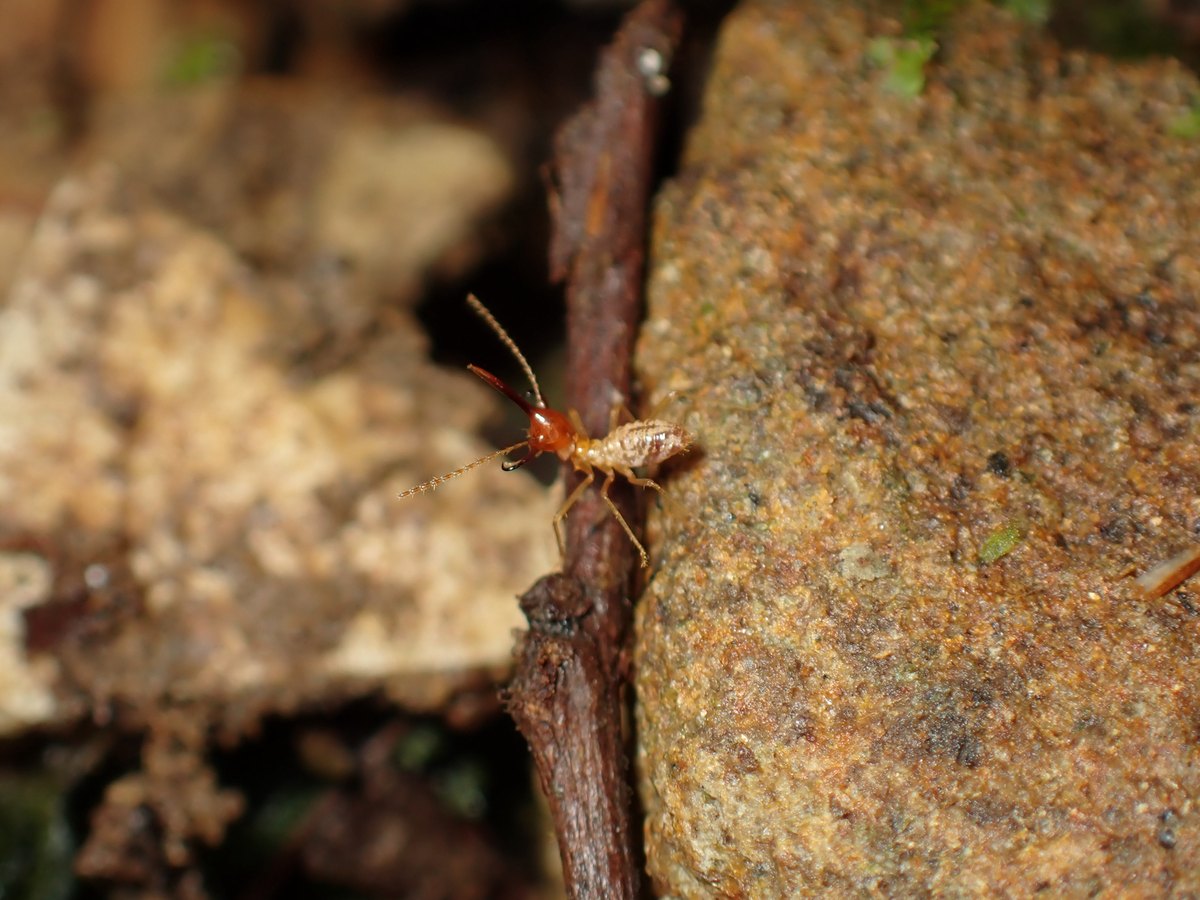
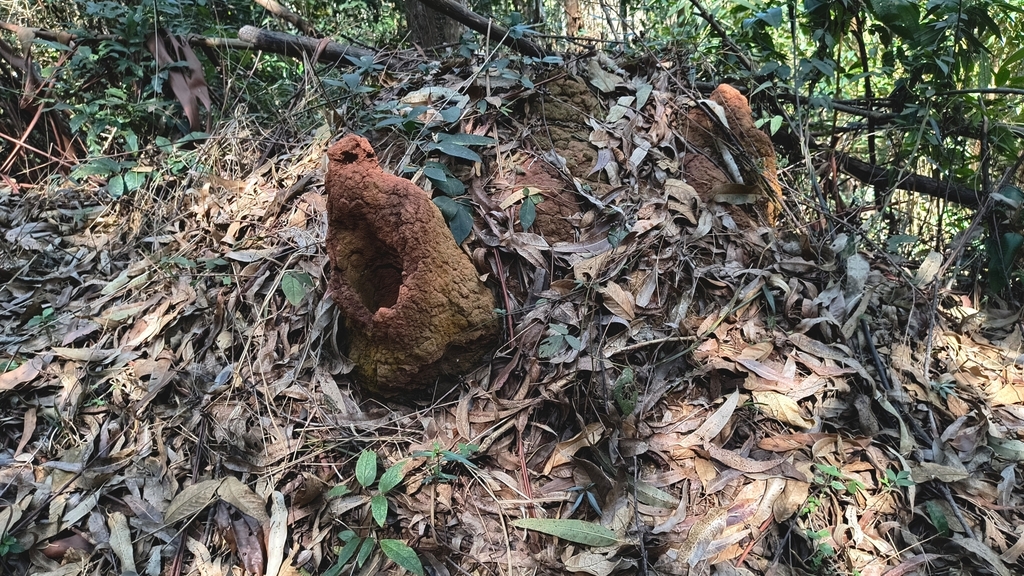
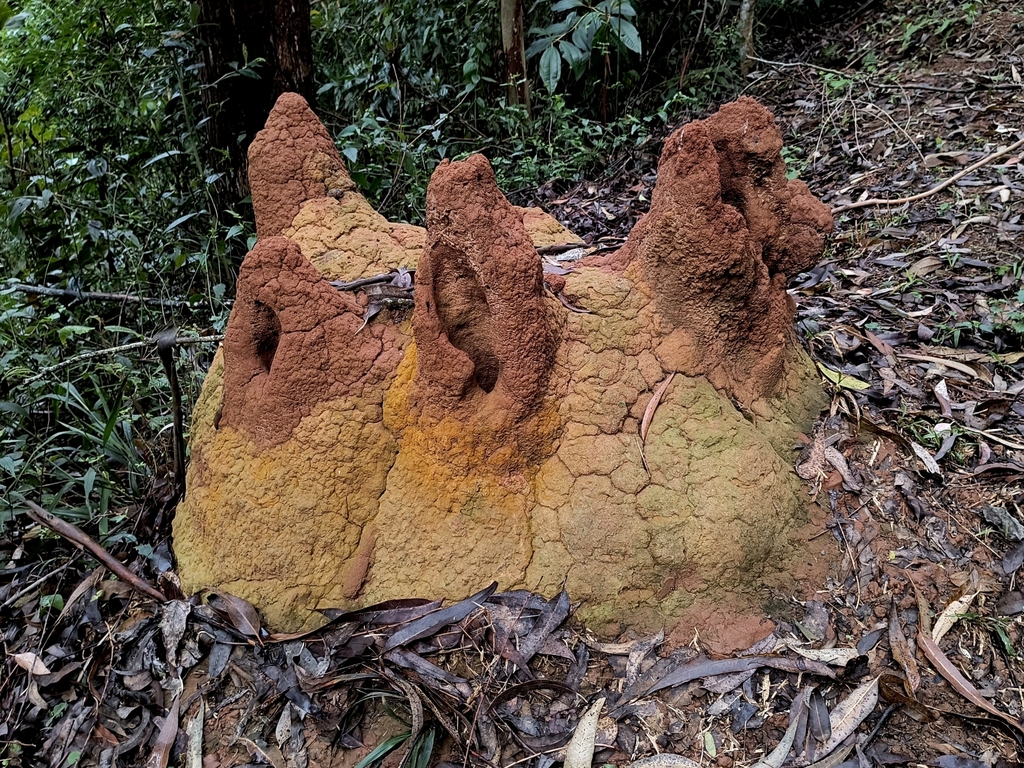
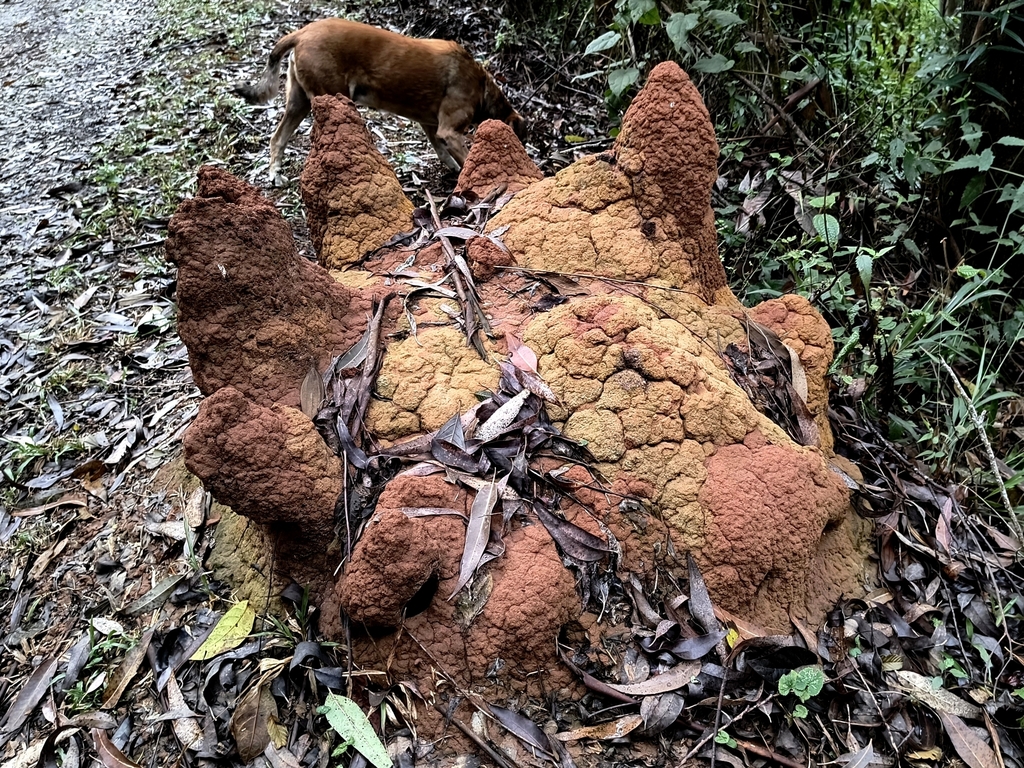
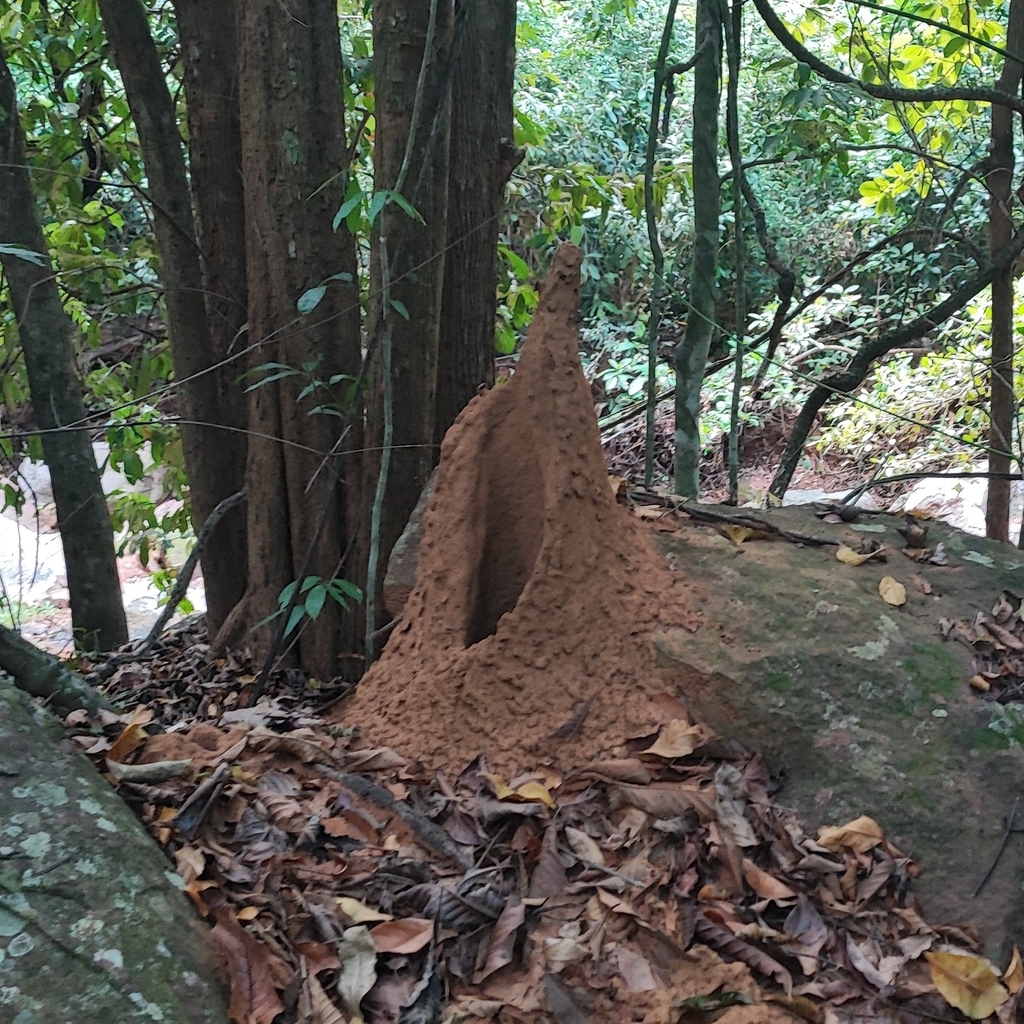
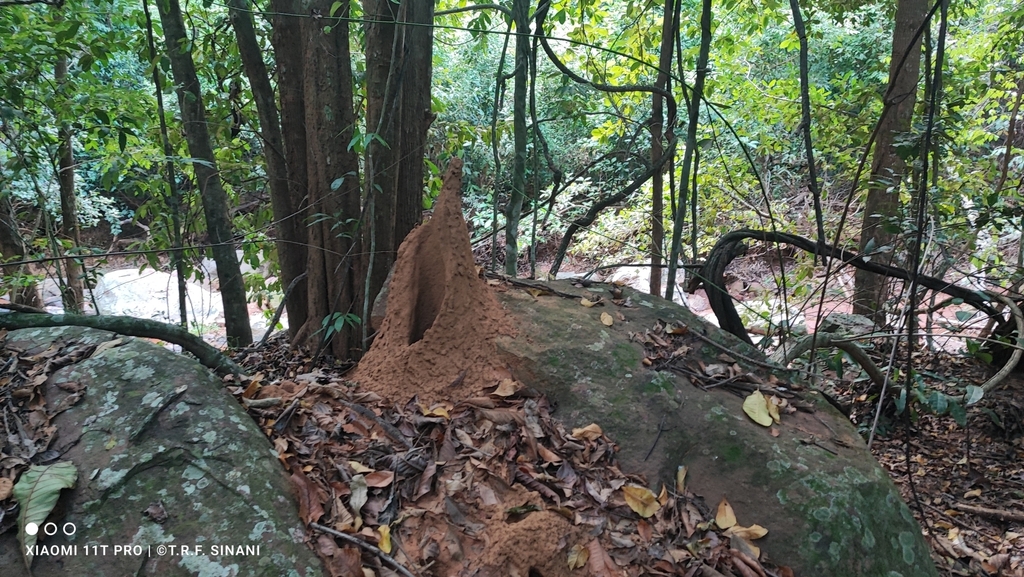
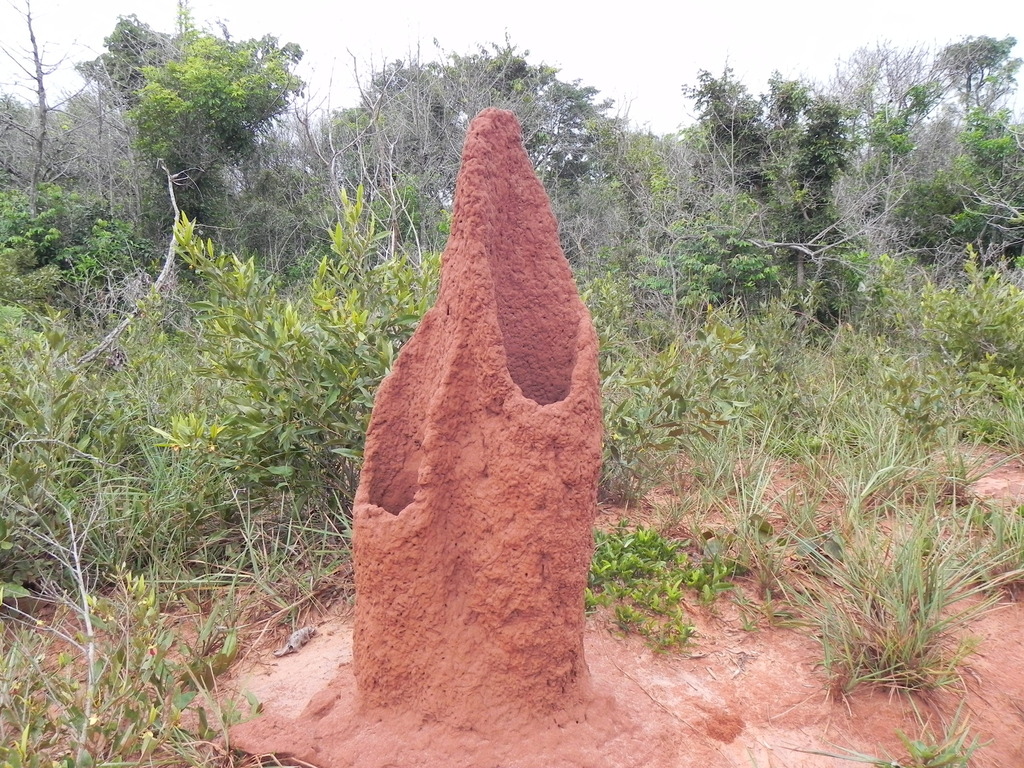
Photographs 263 photos · 21 species
Freely licensed photos; click to enlarge. This preview shows 6 photos; to browse by species, open “All photos”. Photos are hotlinked from iNaturalist / Wikimedia Commons; the rights stay with the photographers.
About the subfamily
The subfamily Syntermitinae was established by Engel and Krishna in 2004 (73), with the type genus Syntermes Holmgren, 1909; the subfamily name is derived from the type genus name. This catalogue includes 22 genera and 105 species.
In this subfamily, the soldiers of many species possess both a nasus similar to that of Nasutitermitinae (but without the ability to spray) and well-developed chewing–slashing mandibles, a unique intermediate defensive morphology within the family, while the remaining species have only powerful mandibles and no nasus. This subfamily is endemic to the Neotropical realm: its northern limit reaches Mexico (Cahuallitermes) and Central America (Costa Rica, Panama, Guatemala, Belize, Honduras, Nicaragua), and it extends south to northern Argentina and Uruguay, with Brazil as the center of distribution; Bolivia, Peru, Ecuador, Colombia, Venezuela and the countries of the Guiana Shield all have representatives. Most genera lead a subterranean life, and many species build conspicuous epigeal mounds, being a dominant termite group in the South American savannas; their diet consists mainly of organic matter at the soil–wood interface, humus and dead grass. In the worker, the mixed segment of the hindgut is bilobed and overlaps outside the ileum (P1) (reduced to a single lobe only in Procornitermes), and the scale membrane of the inner wall of the enteric valve bears spines (reduced only in Syntermes). The soldier has a well-developed nasus with a truncate apex, a broad and distinct frontal pore, and a narrow, simple labrum with a hyaline tip. The alate has a large, round fontanelle that is slightly concave or shaped like a convex plate, a moderately to strongly elevated postclypeus with a median longitudinal line, a short forewing costal vein (R1), and tarsi lacking an arolium. (3)
Economically, this subfamily is an important group of subterranean pests of agriculture and forestry in Brazil: S. molestus damages pineapple, cotton, rice, maize and eucalyptus plantation seedlings, and there is a first record of serious damage to potato roots (75); Cornitermes cumulans is the famous “cupim-de-montículo” of South American pastures, occurring densely in pastures, roadsides and eucalyptus forests, and it causes stem damage to teak (Tectona grandis) plantations in Mato Grosso State, Brazil (76); Procornitermes has occurrence records in maize fields in Argentina. Procornitermes and Labiotermes damage upland rice and maize in Brazil (42).
This section is the standing account the site maintains for this rank and is updated on this page as the classification is revised; the checklist index is in the Checklist.
Genera (22)
- Acangaobitermes 漏斗白蚁属 1 species
- Armitermes 戟白蚁属 3 species
- Bandeiratermes 班代拉白蚁属 2 species
- Biratermes 拜拉白蚁属 1 species
- Cahuallitermes 弃白蚁属 2 species
- Cornitermes 角象白蚁属 14 species
- Curvitermes 曲白蚁属 2 species
- Cyrilliotermes 壶头白蚁属 4 species
- Embiratermes 生白蚁属 9 species
- Genuotermes 膝白蚁属 1 species
- Ibitermes 地球白蚁属 2 species
- Labiotermes 厚唇白蚁属 10 species
- Macuxitermes 马库希白蚁属 2 species
- Mapinguaritermes 红懒白蚁属 3 species
- Noirotitermes 努瓦罗白蚁属 1 species
- Paracurvitermes 近曲白蚁属 1 species
- Procornitermes 前角白蚁属 5 species
- Rhynchotermes 喙白蚁属 8 species
- Silvestritermes 西尔韦斯特里白蚁属 7 species
- Syntermes 聚白蚁属 23 species
- Uncitermes 弯钩白蚁属 2 species
- Vaninitermes 瓦宁白蚁属 2 species
Parent level: Checklist index · Termitidae 白蚁科 · Data & downloads