Genus Procornitermes · 前角白蚁属
Filter the taxa recorded under this genus by name and locality; for the whole site use the full-text search.
Distribution map
Photographs 23 photos · 2 species
Freely licensed photos; click to enlarge. This preview shows 6 photos; to browse by species, open “All photos”. Photos are hotlinked from iNaturalist / Wikimedia Commons; the rights stay with the photographers.
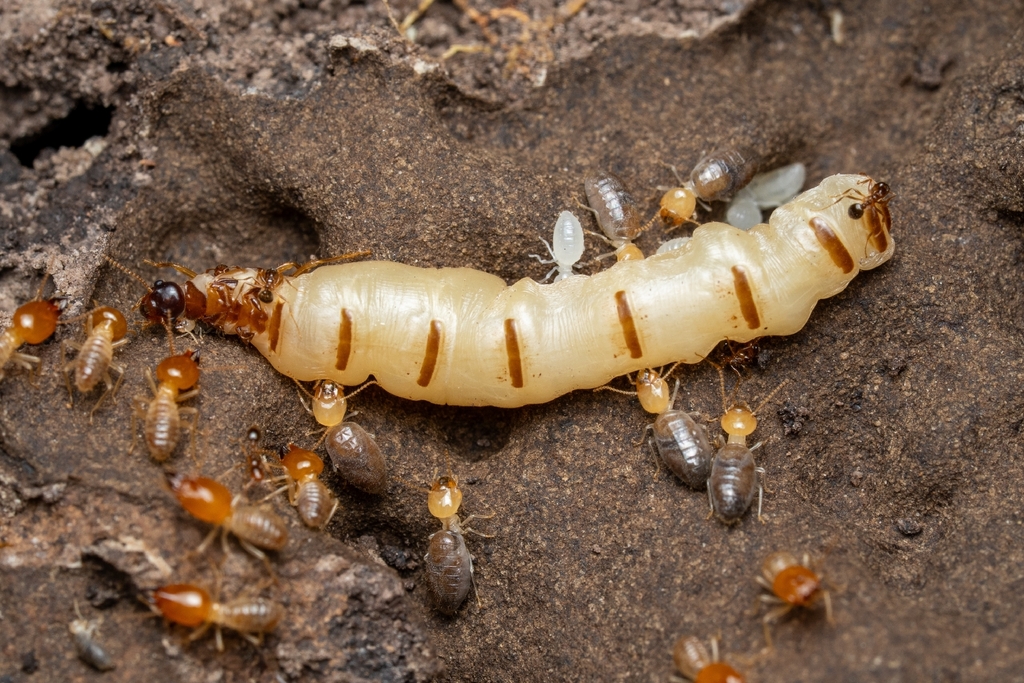
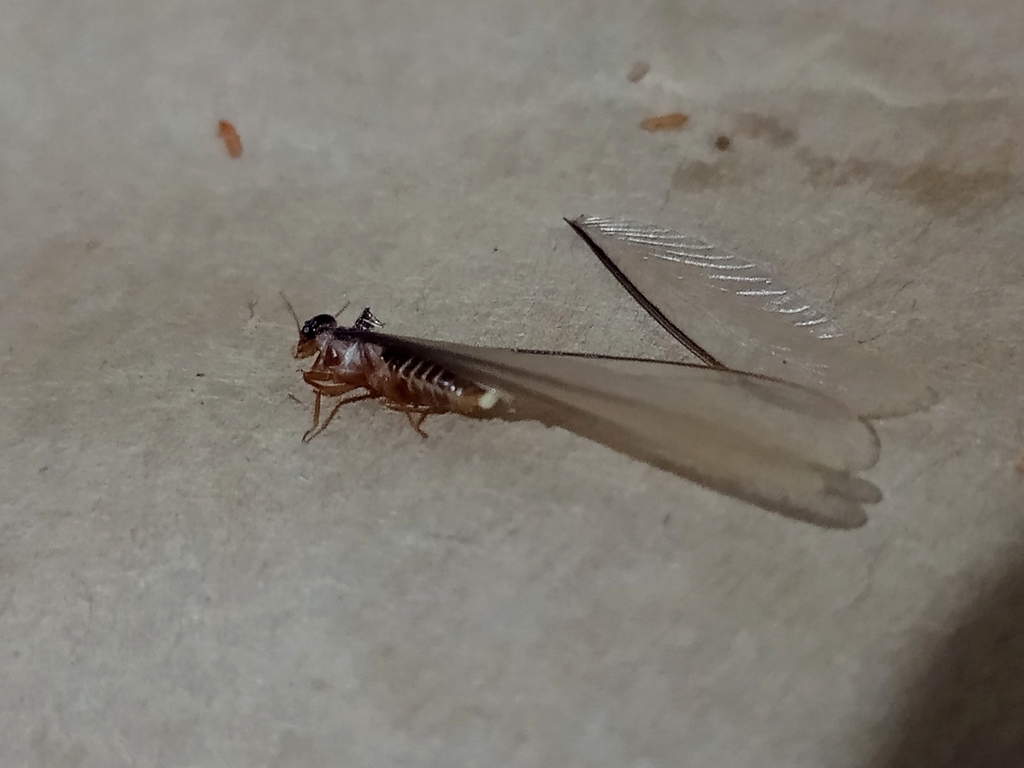
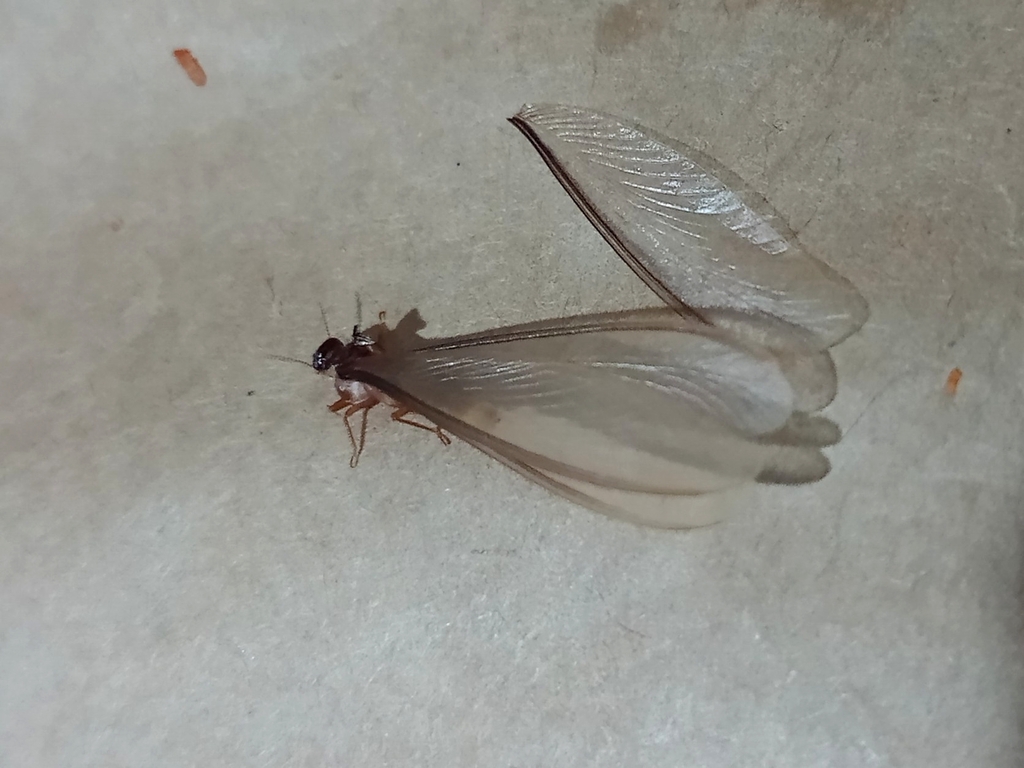
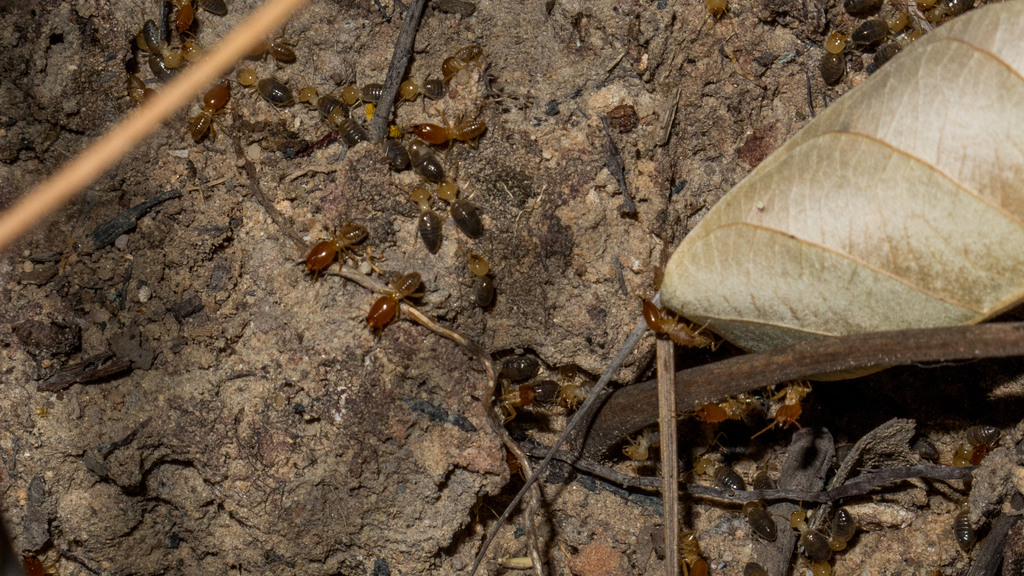
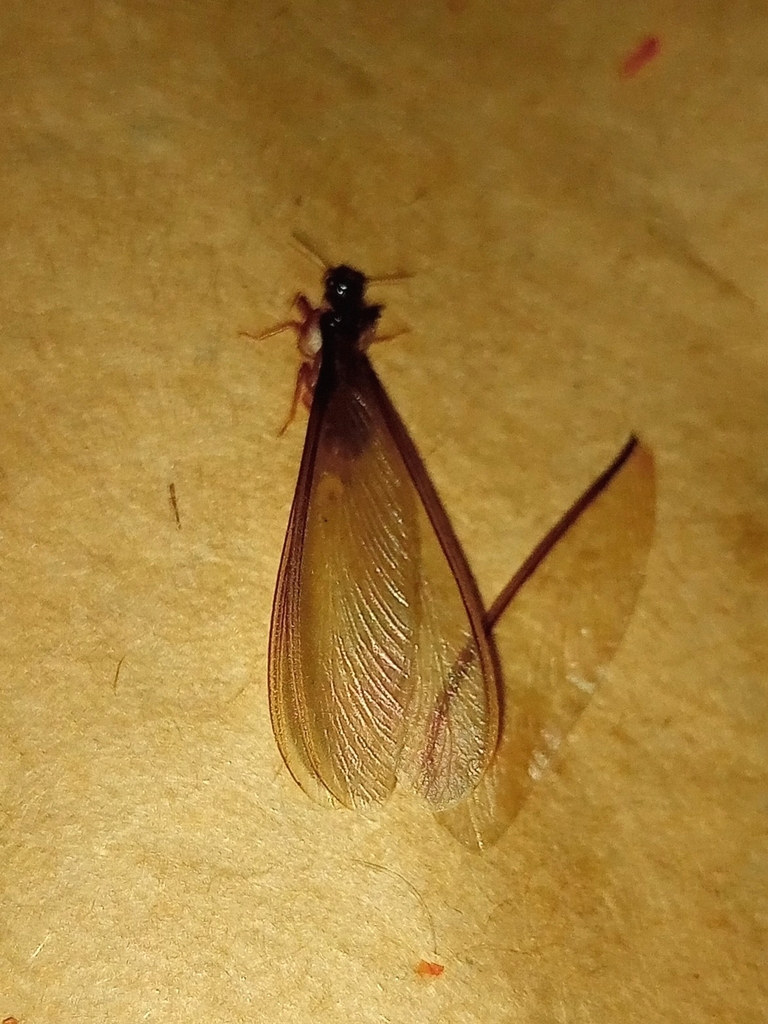
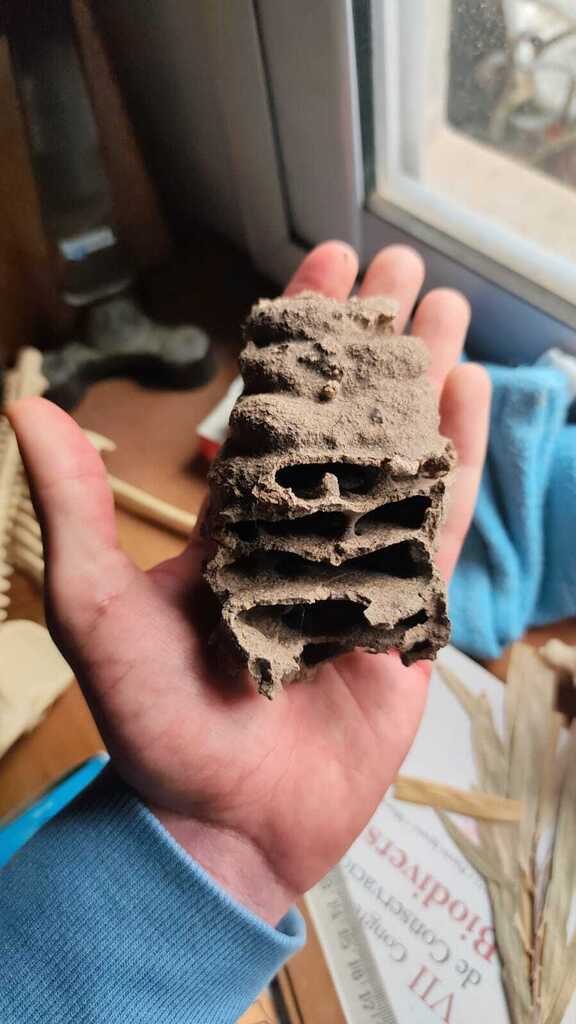
About the genus
This genus belongs to the family Termitidae 白蚁科, in the subfamily Syntermitinae 聚白蚁亚科; the site records 5 species.
Type species: Procornitermes triacifer.
This page includes a distribution map for the genus (GBIF records aggregated on a 1° grid); open a species entry to see its type locality, distribution, and references.
Etymology
From Greek pro- (before) + Latin cornu (horn) + termes.
The etymologies in this section are analytical breakdowns; the roots follow Brown (1956).
Morphology
The descriptions below are an adaptation of the original genus-level accounts; terms follow the meaning of the source, and the original is not transcribed verbatim.
Diagnostic characters
Soldier head rectangular or nearly rectangular, slightly or markedly narrowed anteriorly, oval to pyriform; frontal tube slightly conical in dorsal view, of medium length (reaching the postclypeus) or longer (reaching the anteclypeus), rarely reaching the labrum; labrum circular or trifid, often with a white spot in the centre; postmentum straight, narrowed at the base, or widened in its anterior half and then abruptly narrowed; antennae 13–15-segmented, segment 3 or 4 often with traces of annulation; tibial spur formula 2:2:2 or 3:2:2. Alate head oval, fontanelle oval or circular, situated in a flat or depressed area, sometimes projecting; ocelli kidney-shaped or crescent-shaped; forewing 13.30–19.16 mm long and 3.44–5.00 mm wide.
Soldier
Head rectangular or nearly rectangular, slightly or markedly narrowed towards the frons, oval or pyriform. Frontal tube slightly conical in dorsal view, of medium length and reaching the postclypeus, or longer and reaching the anteclypeus, rarely reaching the labrum; apex of the frontal tube directed forwards or slightly turned upwards. Labrum circular or trifid, its apex rounded or pointed, a white spot constantly present in the central area. Postmentum straight, either narrowed at the base or widened in the anterior half and then abruptly narrowed. Antennae 13–15-segmented, segment 3 or 4 with traces of annulation. Anterior and posterior lobes of the pronotum with or without a notch. Head yellow to orange; labrum and frontal tube may contrast with the head colour or be concolorous with it.
Worker
Mandibular morphology is the main diagnostic basis for the genus. In the right mandible A is slightly larger than M1, the anterior margin arcuate and the posterior margin straight; M1 triangular with straight edges; M2 much smaller than M1, running straight from the tip to the molar plate. In the left mandible A is about as large as M1+2, the anterior margin arcuate and the posterior margin straight; M3 is “septum”-like, ending before Prm and running straight; Dm may be visible between M3 and Prm and/or behind it, well developed in all species. The shape and size of the molar plate vary between species; the first stripe (1ª estria) lies behind the apical thickened area and is clearly visible, and the shape of its striped area is a species-level character.
Alate
Head oval; fontanelle oval or circular, situated in a flat or slightly depressed area, sometimes projecting; Y-shaped suture visible or not. Compound eyes nearly circular, 0.27–0.44 mm in diameter, the distance from the eye to the lower margin of the head 0.07–0.19 mm. Ocelli kidney-shaped or crescent-shaped (in dorsal view), 0.29–0.49 mm from the fontanelle. Labrum circular; antennae 13–15-segmented, segment 3 or 4 sometimes with traces of annulation, the segments subequal in length, or one of segments 2, 3 and 4 shorter. Postclypeus strongly arched, with a distinct median suture; anteclypeus V-shaped at the centre. Posterior lobe of the pronotum with or without a notch; forewing 13.30–19.16 mm long and 3.44–5.00 mm wide, the wing surface covered with very short setae.
Sources: Cancello E. M. 1986. Revisão de Procornitermes Emerson (Isoptera, Termitidae, Nasutitermitinae). Papéis Avulsos de Zoologia 36(19): 189–236., pp. 196–198 This text is an adaptation, not a verbatim transcription of the original.
Species (5)
Parent level: Checklist index · Syntermitinae 聚白蚁亚科 · Data & downloads