Subfamily Cubitermitinae · 方白蚁亚科
Filter the taxa recorded under this subfamily by name and locality; for the whole site use the full-text search.
Distribution map
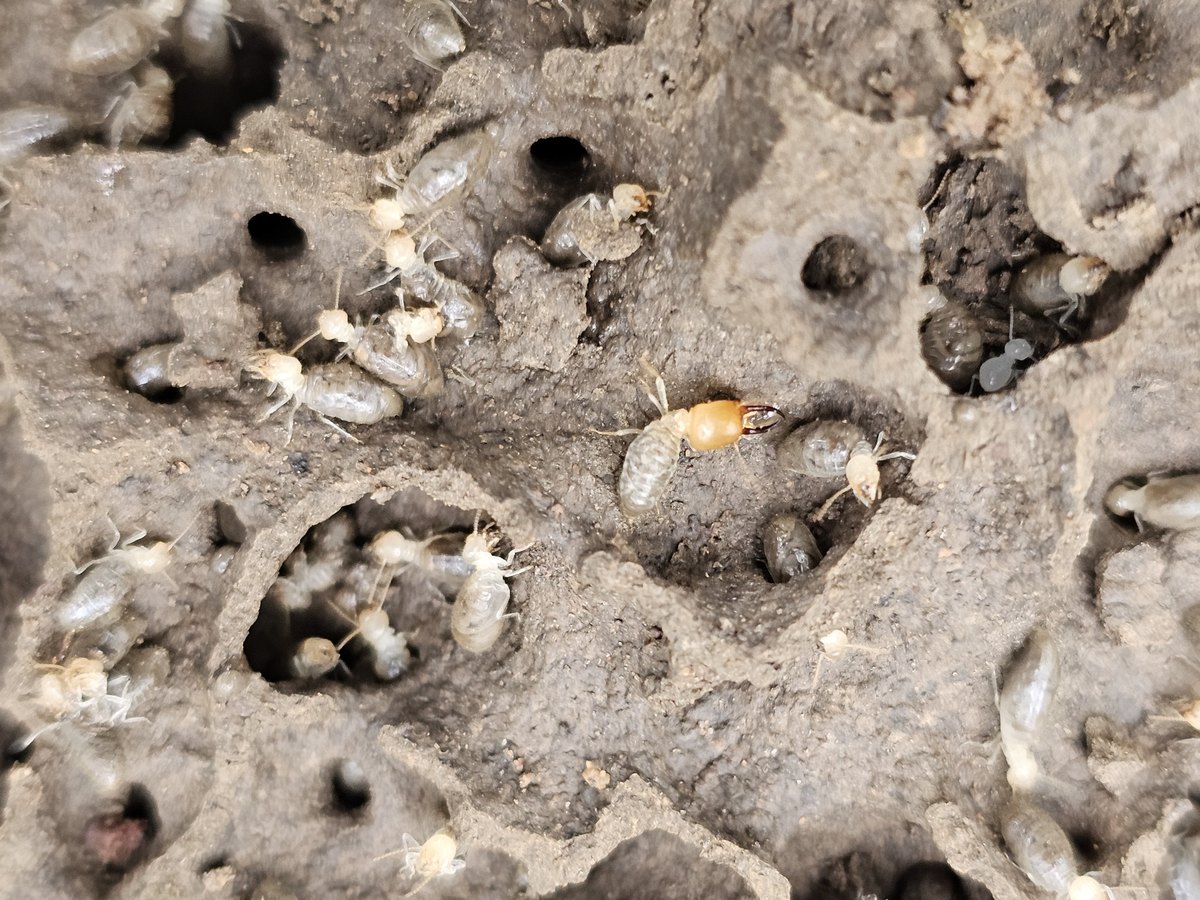
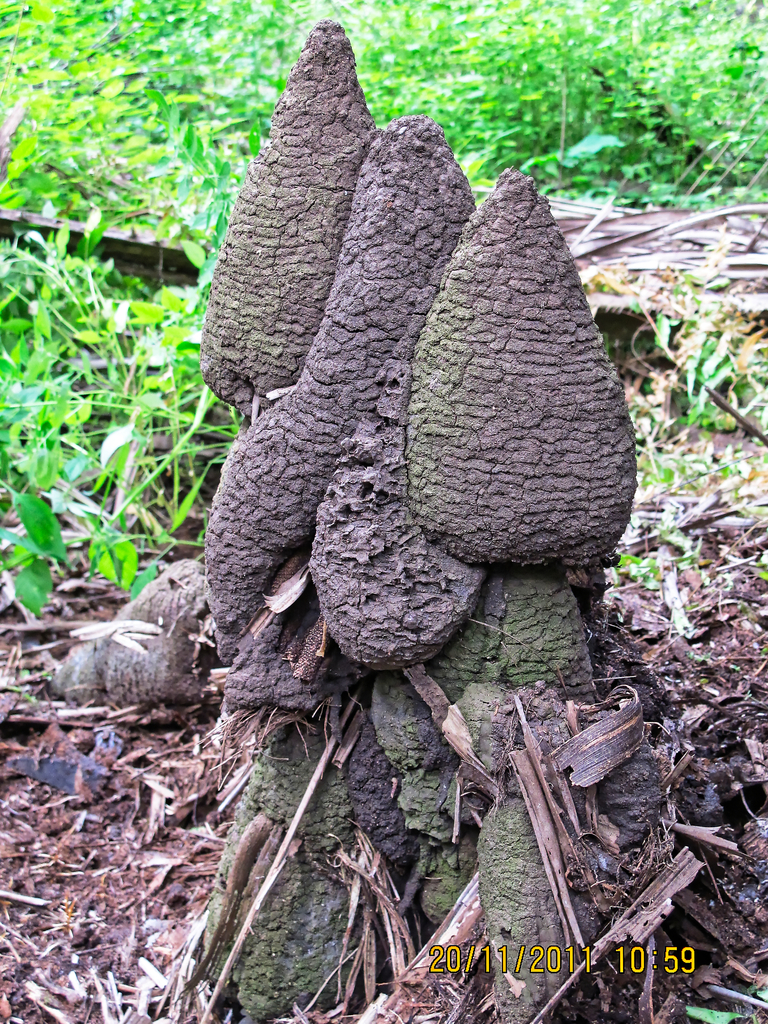
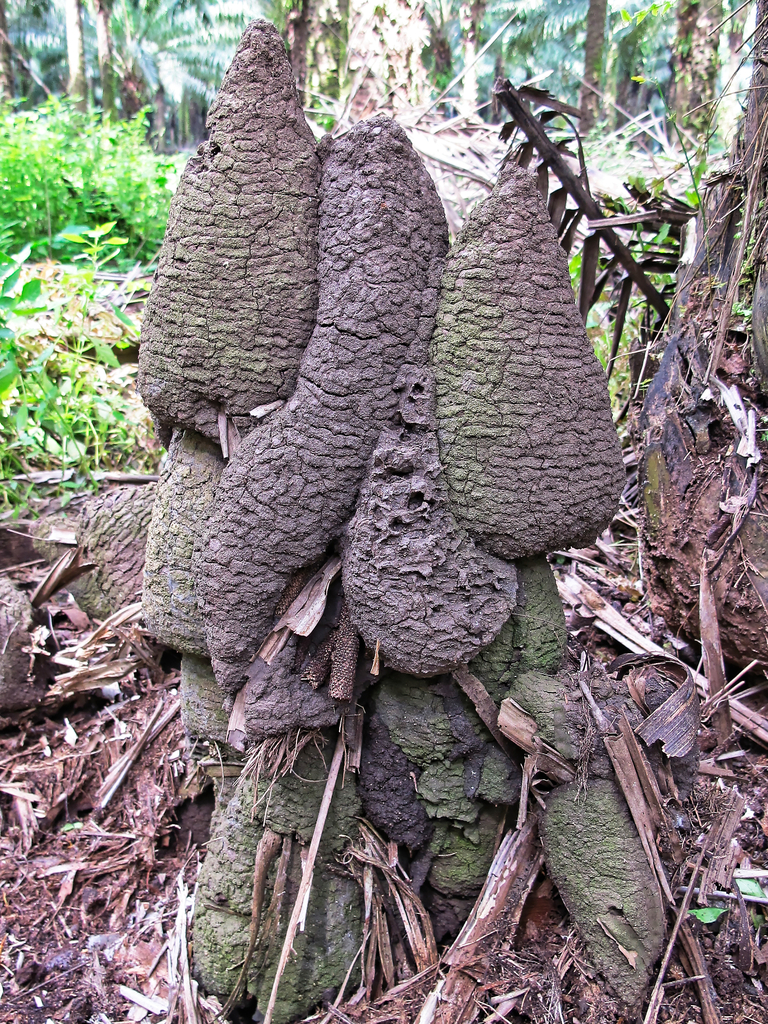
Photographs 2 photos · 1 species
Freely licensed photos; click to enlarge. This preview shows 6 photos; to browse by species, open “All photos”. Photos are hotlinked from iNaturalist / Wikimedia Commons; the rights stay with the photographers.
About the subfamily
The subfamily Cubitermitinae was established by Weidner in 1956, with the type genus Cubitermes Wasmann, 1902, from which the subfamily name is taken. This checklist records 28 genera and 149 species.
All known genera and species of this subfamily are distributed in sub-Saharan Africa — West Africa (Côte d'Ivoire, Nigeria, Guinea, Senegal, Gambia, Togo, etc.), Central Africa and the Congo Basin (Cameroon, Congo, Democratic Republic of the Congo, Gabon, Central African Republic), East Africa (Kenya, Tanzania, Uganda, Rwanda), and southern Africa (South Africa, Zimbabwe, Zambia, Namibia, Angola, etc.). The diet is mainly soil (humus). Nesting is its most distinctive feature — many genera build columnar, umbrella-shaped, or mushroom-shaped mounds on the ground surface, the nest walls being constructed of soil and feces, which can markedly concentrate soil clay and nutrients and modify soil structure (in Ugandan grassland, the density of Cubitermes testaceus mounds can reach more than a hundred per hectare (48)); they are often used as bioindicator groups of soil health. The soldiers have biting-type mandibles and defend at the nest entrance. As represented by the type genus Cubitermes, the soldier head is nearly rectangular with the fontanelle on the frons, the antennae have about 14–15 articles, and the mandibles are short, stout, and incurved. In the genera Procubitermes, Noditermes, Basidentitermes, Unguitermes, Unicornitermes, etc., the soldier abdomen is milky white (white-gutted type), the soldiers being fed purely on worker saliva. The worker ileum (P1) is inflated into a sac, the enteric valve has a median pad, the hindgut P3 bears a caecum ventrally, and the gizzard lacks a columnar belt. Taxonomically, this subfamily is a well-supported monophyletic group; the hindgut of Cubitermes is a classic material for studying the anaerobic fermentation and methanogenic microflora of the higher-termite gut (49).
Economically, all members of this subfamily are soil-feeding groups, and where their mounds occur densely along the edges of moist pastures they may occupy and cover land (50).
This section is the standing account the site maintains for this rank and is updated on this page as the classification is revised; the checklist index is in the Checklist.
Genera (28)
- Apilitermes 无毛白蚁属 1 species
- Basidentitermes 基齿白蚁属 8 species, 2 subspecies
- Batillitermes 铲白蚁属 2 species
- Crenetermes 刻痕白蚁属 5 species
- Cubitermes 方白蚁属 11 species, 2 subspecies
- Euchilotermes 真唇白蚁属 4 species, 2 subspecies
- Fastigitermes 峰白蚁属 1 species
- Furculitermes 叉白蚁属 8 species
- Isognathotermes 等颚白蚁属 16 species, 4 subspecies
- Lepidotermes 鳞白蚁属 9 species
- Megagnathotermes 大颚白蚁属 1 species
- Mucrotermes 锐尖白蚁属 2 species
- Nitiditermes 净白蚁属 15 species
- Noditermes 节白蚁属 7 species
- Okavangotermes 奥卡万戈白蚁属 2 species
- Ophiotermes 蛇白蚁属 7 species
- Orthotermes 直白蚁属 2 species
- Ovambotermes 奥万博兰白蚁属 1 species
- Pilotermes 棘白蚁属 1 species
- Polyspathotermes 多铲白蚁属 8 species
- Proboscitermes 象鼻白蚁属 2 species
- Procubitermes 原方白蚁属 9 species
- Profastigitermes 前峰白蚁属 1 species
- Ternicubitermes 三方白蚁属 13 species
- Thoracotermes 胸白蚁属 4 species
- Trapellitermes 菱角白蚁属 1 species
- Unguitermes 爪白蚁属 7 species
- Unicornitermes 独角白蚁属 1 species
Parent level: Checklist index · Termitidae 白蚁科 · Data & downloads