Subfamily Neocapritermitinae · 新扭白蚁亚科
Filter the taxa recorded under this subfamily by name and locality; for the whole site use the full-text search.
Distribution map
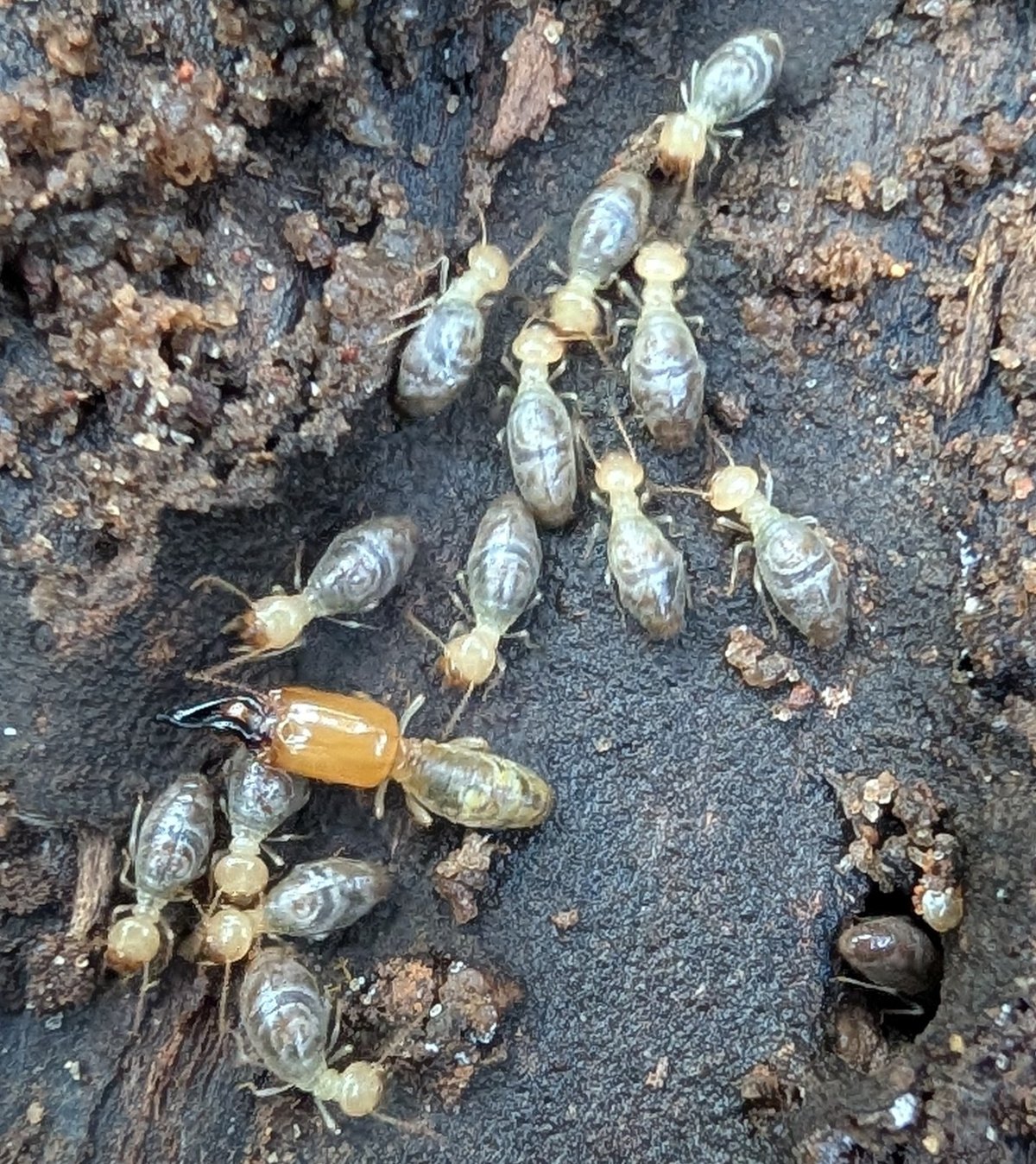
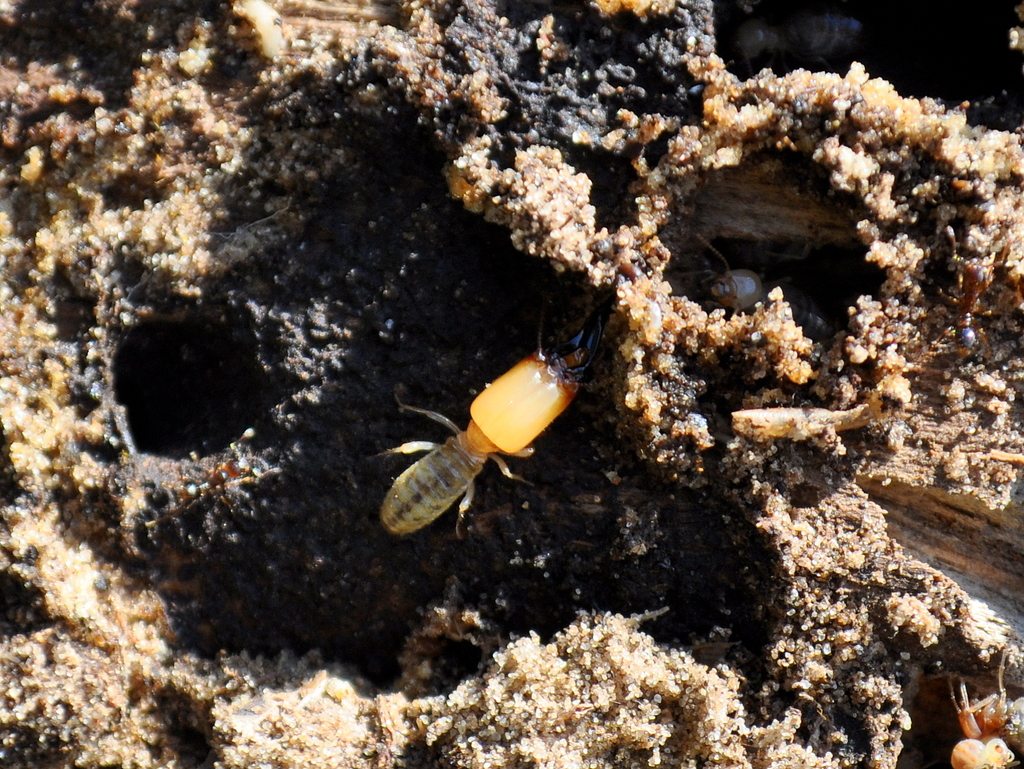
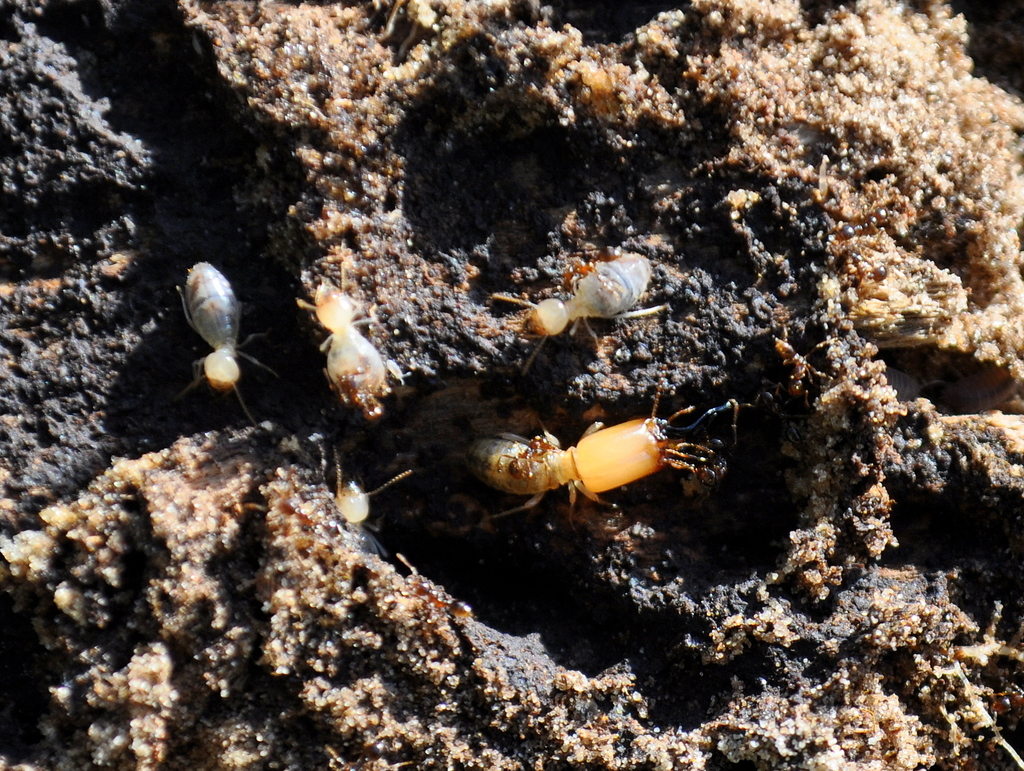
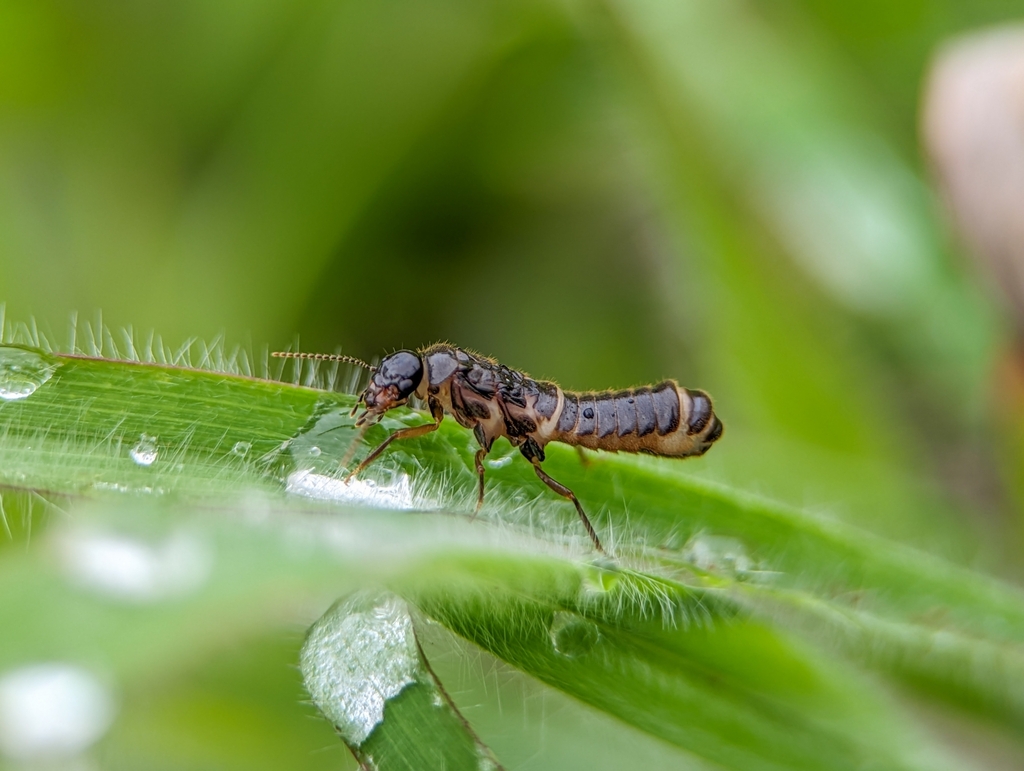
Photographs 14 photos · 2 species
Freely licensed photos; click to enlarge. This preview shows 6 photos; to browse by species, open “All photos”. Photos are hotlinked from iNaturalist / Wikimedia Commons; the rights stay with the photographers.
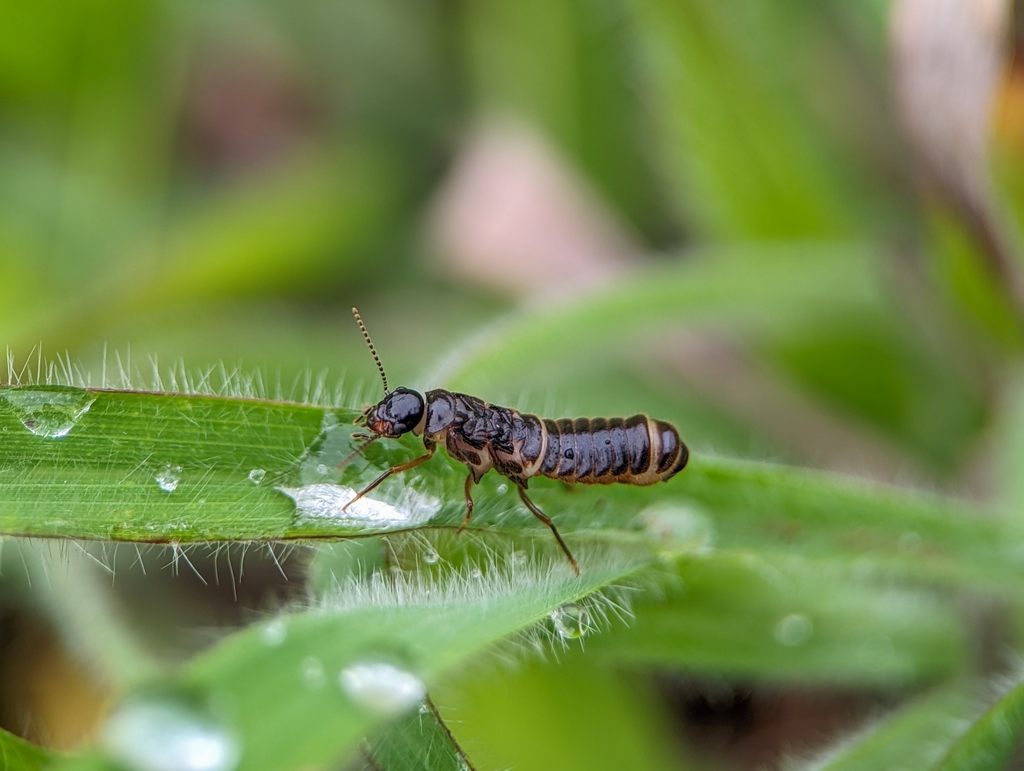
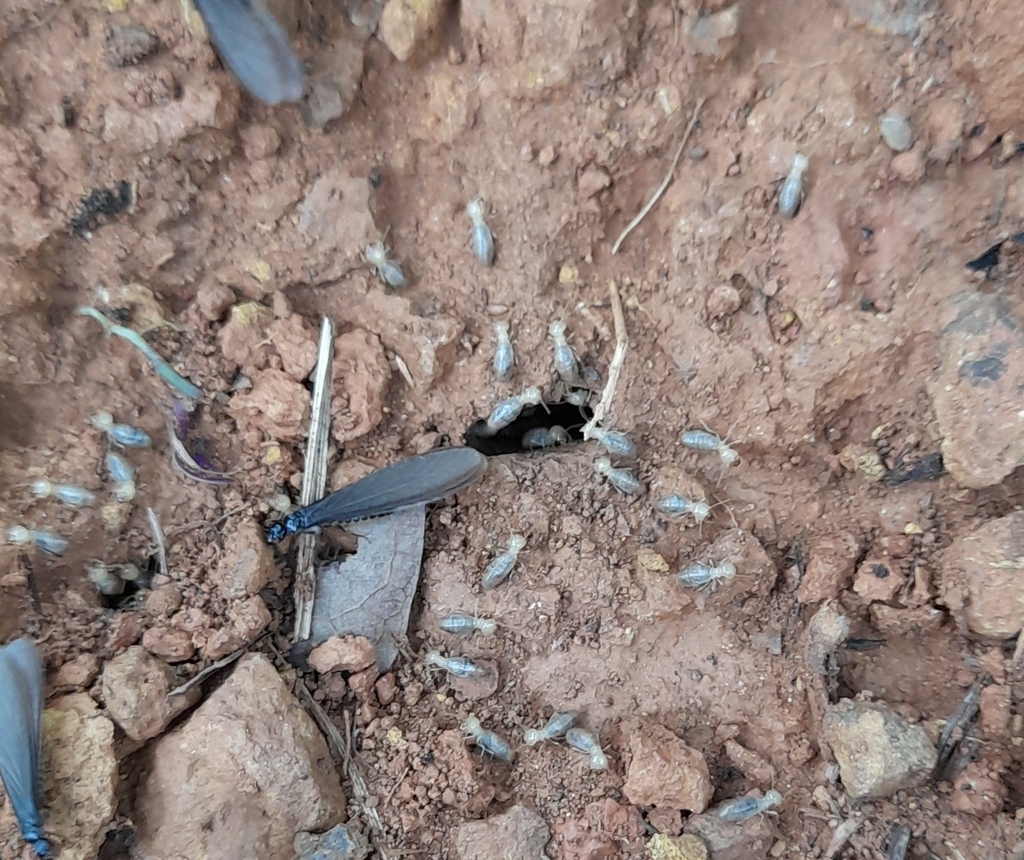
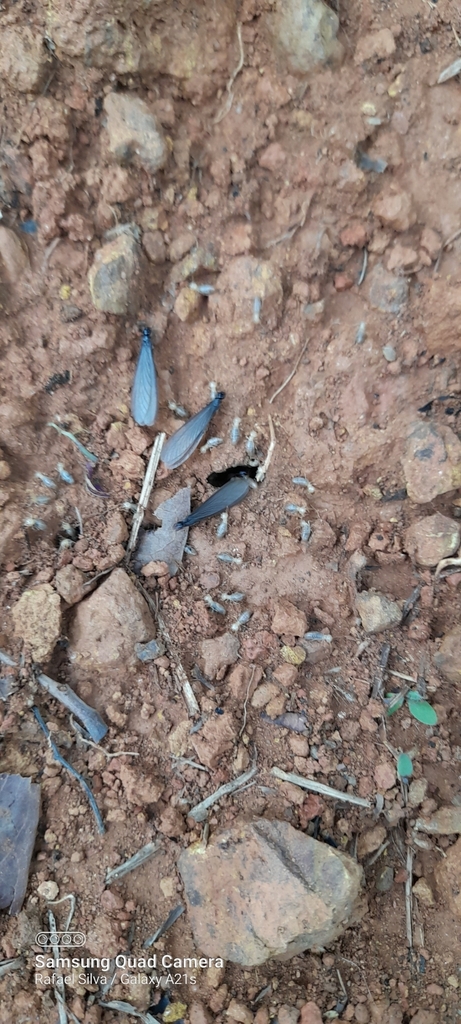
About the subfamily
The subfamily Neocapritermitinae was established by Hellemans, Engel and Bourguignon in 2024 (21), with the type genus Neocapritermes Holmgren, 1912; the subfamily name is derived from the type genus name (neo-, “new” + Capritermes). This catalogue includes 3 genera and 20 species.
This subfamily is a group endemic to the Neotropical realm, with a distribution centered on Brazil, reaching north to Central America (Panama, Costa Rica), south to northern Argentina and Paraguay, west to Peru, Ecuador, Colombia and Bolivia, and east to the Guianas, Venezuela and Trinidad and Tobago; the genus Schievitermes is so far known only from a single species in French Guiana. No introduced or invasive records are known for this subfamily. In feeding habits, it feeds on decayed wood or at the wood–soil interface. In defense, the soldiers have asymmetrical twisted mandibles, a rectangular head, and no frontal process; compared with the Old World Mirocapritermitinae, the posterior margin of the second marginal tooth of the right mandible is straight, the molar region bears distinct ridges, and the enteric valve is composed of three folds (the latter has six), by which they can be distinguished. In the worker–alate mandible type, the apical tooth of the left mandible is shorter than the combined length of the first and second marginal teeth, a diagnostic point in the dentition of this subfamily; the mixed segment of the hindgut is long, with the distal portion expanded into a pair of mesenteric caeca (present only in Neocapritermes and Schievitermes), and the wall of the dilated chamber (P3) is densely covered with fine spines; the two pairs of Malpighian tubules are fused into a single point anteriorly, without a node. The most celebrated biological record of this subfamily comes from Neocapritermes: the aged workers of N. taracua form a sac containing blue protein crystals at the junction of the thorax and abdomen, and when defending against enemies the body wall ruptures and the contents mix with the salivary gland secretion, producing autothysis (70), one of the most complex worker defense mechanisms among termites. Economically, Neocapritermes opacus is the most common termite species in sugarcane fields in the State of São Paulo, Brazil (71).
This section is the standing account the site maintains for this rank and is updated on this page as the classification is revised; the checklist index is in the Checklist.
Genera (3)
- Neocapritermes 新扭白蚁属 17 species
- Planicapritermes 平扭白蚁属 2 species
- Schievitermes 不对称白蚁属 1 species
Parent level: Checklist index · Termitidae 白蚁科 · Data & downloads