Subfamily Termitinae · 白蚁亚科
Filter the taxa recorded under this subfamily by name and locality; for the whole site use the full-text search.
Distribution map
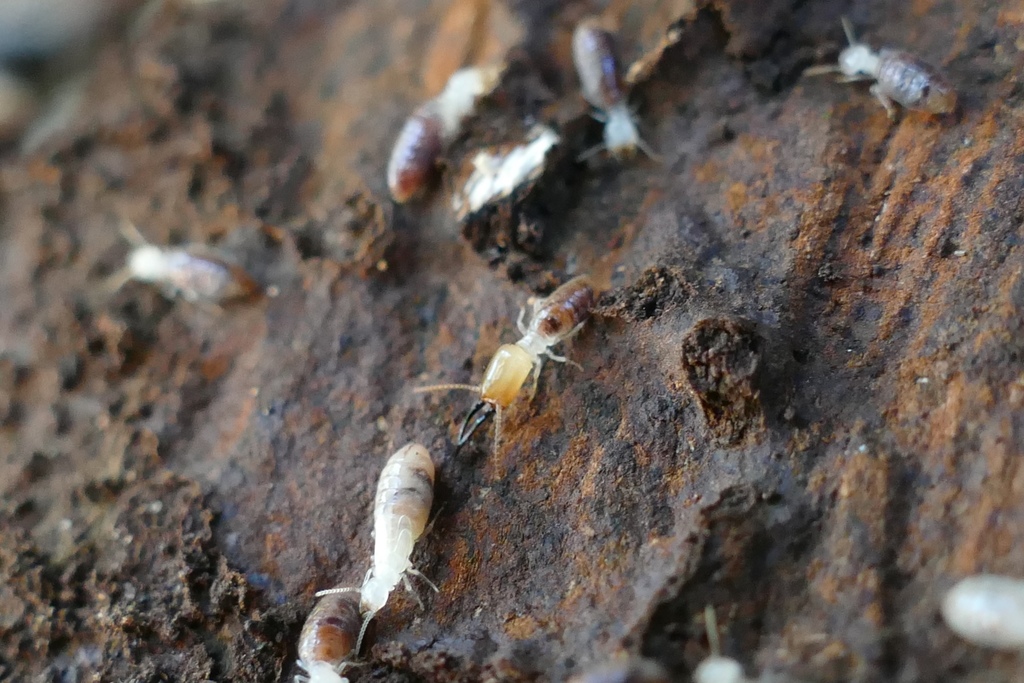
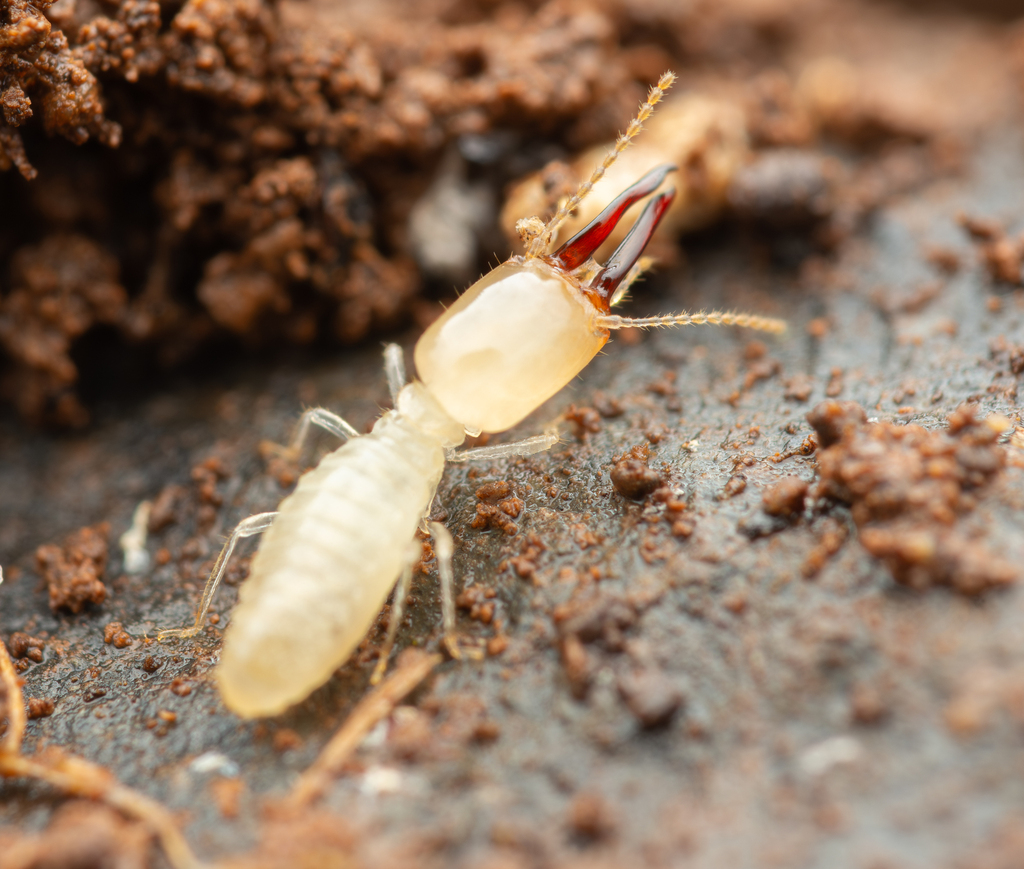
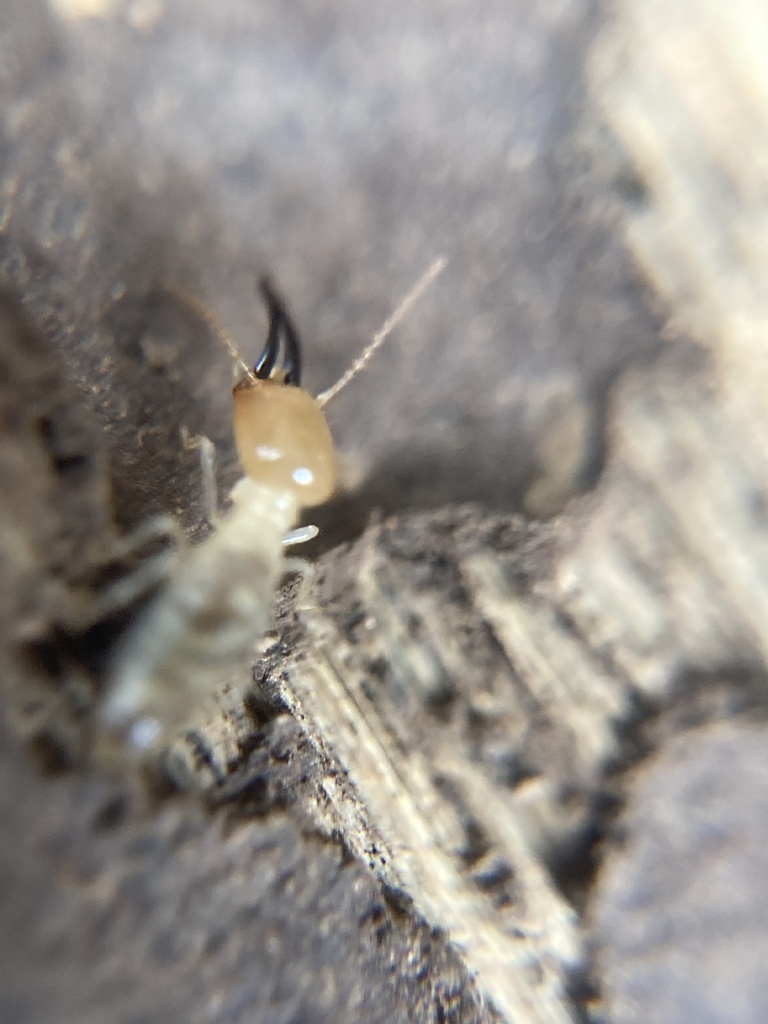
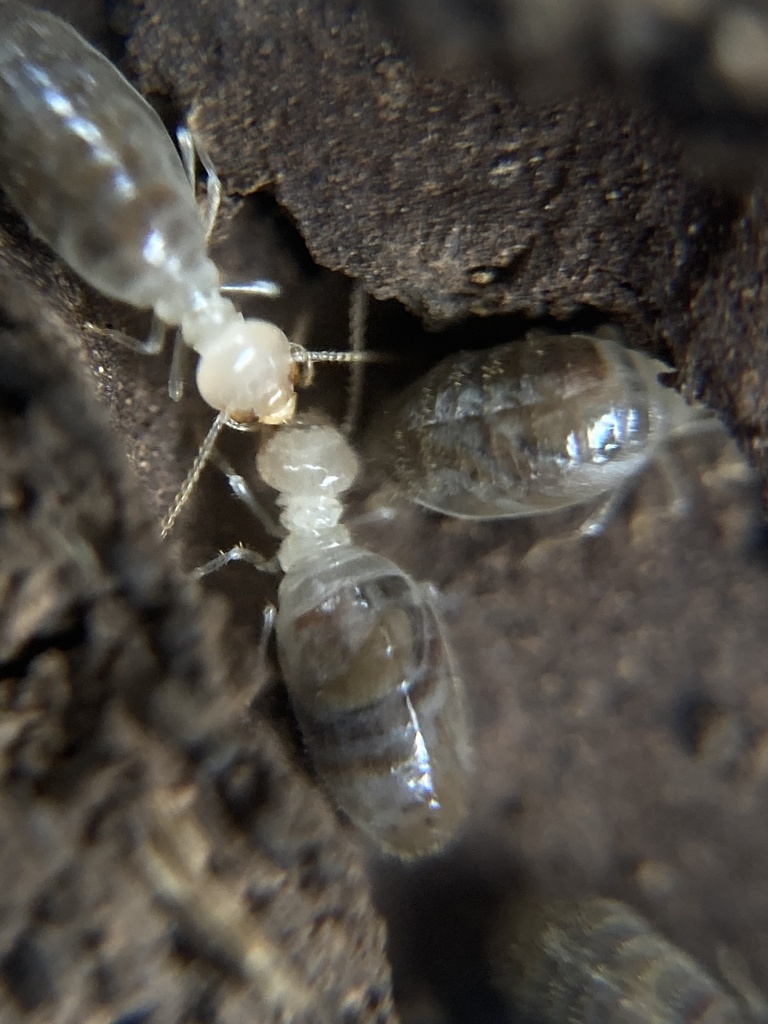
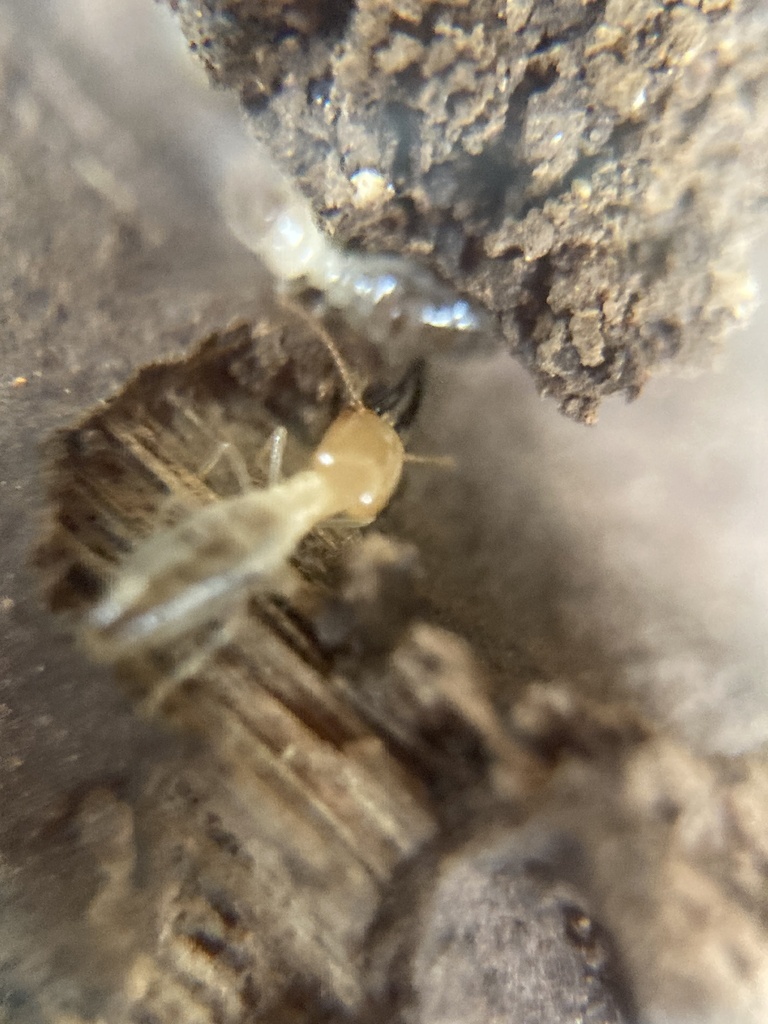
Photographs 7 photos · 1 species
Freely licensed photos; click to enlarge. This preview shows 6 photos; to browse by species, open “All photos”. Photos are hotlinked from iNaturalist / Wikimedia Commons; the rights stay with the photographers.
About the subfamily
The subfamily Termitinae was established by Latreille in 1802, at the same time as the family Termitidae, with the type genus Termes Linnaeus, 1758. This catalogue includes 23 genera and 107 species.
In this subfamily, the soldiers of most species are of the chewing type: the soldier mandibles are elongated with few but large teeth, defending by biting and cutting; among them, Capritermes and others have asymmetrical left and right mandibles, using a “snapping” mechanism to strike intruders at high speed; there are also types with symmetrical snapping mandibles, such as the pincer termite Termes marjoriae. The distribution is summarized into four major faunal regions: the Australian realm is one major distribution region, with more than ten genera occurring mainly in Australia (some extending to Papua New Guinea and the Solomon Islands); the Neotropical realm is another major distribution region, ranging widely from Mexico to South America; there are also representatives in the Afrotropical realm; in the Oriental realm there are only a few species of Termes (Malaysia, Indonesia, Thailand, Vietnam, Singapore, and Guangdong and Jinghong in Yunnan, China). The diet is mainly wood feeding and soil-humus feeding; the genus Inquilinitermes is an inquiline group, dwelling in the nests of other termite genera. In the worker, the apical tooth of the mandible is longer than or slightly shorter than the combined length of the first and second marginal teeth, and the second marginal tooth of the right mandible is reduced or absent with a straight posterior margin; the two pairs of Malpighian tubules are united into a common node attached to the mixed segment, and the enteric valve (P2) is located on the left side of the abdomen (Cornicapritermes alone is an exception, with the ileum coiled in a ring on the ventral side and the enteric valve on the right side). The soldier has a nearly rectangular head, and the frontal process varies in size among genera. (3)
Economically, in a survey of pastures in Paraguay, the mounds of Termes sp. reduced the effective usable area of pasture (77). Termes hispaniolae has a record of introduction to the Bahamas.
This section is the standing account the site maintains for this rank and is updated on this page as the classification is revised; the checklist index is in the Checklist.
Literature notes
Edited notes based on the original literature, not transcriptions. The source markers in each paragraph point to archived records in .sources; full citations are listed below.
Narrowing of Termitinae (2024)
According to Hellemans et al. (2024), Termitinae (Termitinae sensu novo) was narrowed to Termes and its close relatives, 23 genera in all, including Apsenterotermes, Termes, Capritermes, Cavitermes, Cornicapritermes, Cristatitermes, Dihoplotermes, Divinotermes, Ekphysotermes, Ephelotermes, Hapsidotermes, Hesperotermes, Inquilinitermes, Lophotermes, Macrognathotermes, Palmitermes, Paracapritermes, Protocapritermes, Quasitermes, Saxatilitermes, Spinitermes, Tuberculitermes and Xylochomitermes, with Termes Linnaeus, 1758 as type genus.
Termitinae sensu novo is pantropical, occurring in Africa, Australia, the Neotropics, Oceania and the Oriental region, and feeds on soil, mounds, wood and the soil-wood interface.
The former Termitinae proved polyphyletic and was split, its constituent groups being transferred to the restored or newly established Amitermitinae, Microcerotermitinae, Mirocapritermitinae, Crepititermitinae, Cylindrotermitinae, Forficulitermitinae, Neocapritermitinae, Protohamitermitinae and Promirotermitinae, among others; the extant Termitidae therefore comprise 18 subfamilies in total.
References
Genera (23)
- Apsenterotermes 后肠白蚁属 5 species
- Capritermes 扭白蚁属 1 species
- Cavitermes 腔白蚁属 5 species
- Cornicapritermes 角扭白蚁属 1 species
- Cristatitermes 脊突白蚁属 6 species
- Dihoplotermes 双戟白蚁属 2 species
- Divinotermes 迪维努白蚁属 3 species
- Ekphysotermes 瘤突白蚁属 5 species
- Ephelotermes 棒颚白蚁属 6 species
- Hapsidotermes 络白蚁属 5 species
- Hesperotermes 西澳白蚁属 1 species
- Inquilinitermes 客白蚁属 4 species
- Lophotermes 小脊突白蚁属 9 species
- Macrognathotermes 长颚白蚁属 4 species
- Palmitermes 棕榈白蚁属 1 species
- Paracapritermes 旁扭白蚁属 4 species
- Protocapritermes 始扭白蚁属 2 species
- Quasitermes 相似白蚁属 1 species
- Saxatilitermes 石白蚁属 1 species
- Spinitermes 针刺白蚁属 5 species
- Termes 白蚁属 27 species
- Tuberculitermes 小瘤白蚁属 3 species
- Xylochomitermes 木堆白蚁属 6 species
Parent level: Checklist index · Termitidae 白蚁科 · Data & downloads