Globitermes sulphureus 黄球白蚁
- Type locality
- Malaysia: Selangor: Perak
- Distribution
- mainland Southeast Asia, Indochinese Peninsula, insular Southeast Asia, Malay Archipelago, China
List: English (genus page) · 中文 · Español
Summary
Globitermes sulphureus is a species of the genus Globitermes, in the family TERMITIDAE (subfamily Amitermitinae). The species was described by Haviland in 1898; the type locality is Malaysia: Selangor: Perak. Distribution: mainland Southeast Asia, Indochinese Peninsula, insular Southeast Asia, Malay Archipelago, China. This site records 3 junior synonyms for the species.
Etymology
Genus name Globitermes: From Latin globus (ball, sphere) + termes.
Specific epithet sulphureus: Latin sulphureus (sulphur-yellow)
Taxonomic position
- Family: TERMITIDAE — 280 genera, 2144 species
- Subfamily: Amitermitinae — 14 genera, 194 species
- Genus: Globitermes — 7 species
- Type species of the genus: Globitermes globosus
Distribution
- Distribution records: mainland Southeast Asia, Indochinese Peninsula, insular Southeast Asia, Malay Archipelago, China
The record above follows the wording of the original data; no geocoding or standardized place names have been applied.
Junior synonyms
This site records 3 junior synonyms for the species, listed by their original literature source:
- Termes annamensis Desneux, 1904: 148 — type locality: Vietnam: ?
- Globitermes audax Silvestri, 1914: 432-434 — type locality: Myanmar: Moulmein
- Amitermes (Globitermes) birmanicus Snyder, 1934: 17-18 — type locality: Myanmar: West Salween: Zibyaung
In older literature, regional checklists and database searches, this species may appear under the synonyms above (Termes annamensis, Globitermes audax, Amitermes (Globitermes) birmanicus); this site treats them all under Globitermes sulphureus.
Recorded in Fauna Sinica
The morphological and biological accounts below are taken from Fauna Sinica and related literature; only structure and punctuation have been standardized here.
Morphology
Soldier
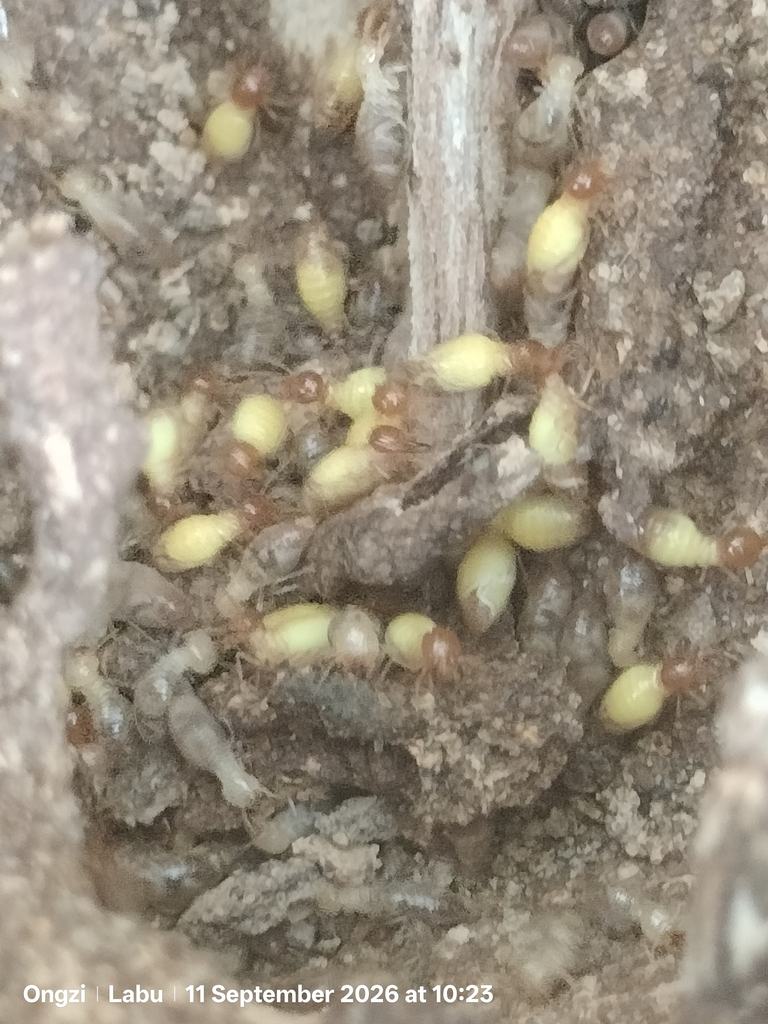
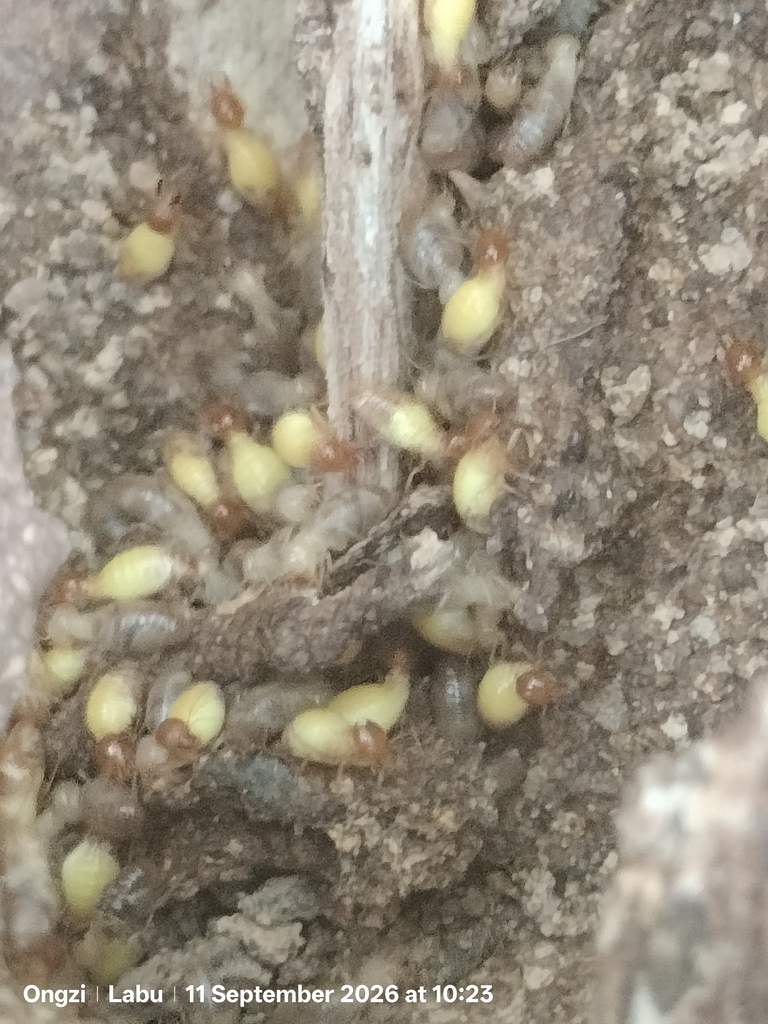
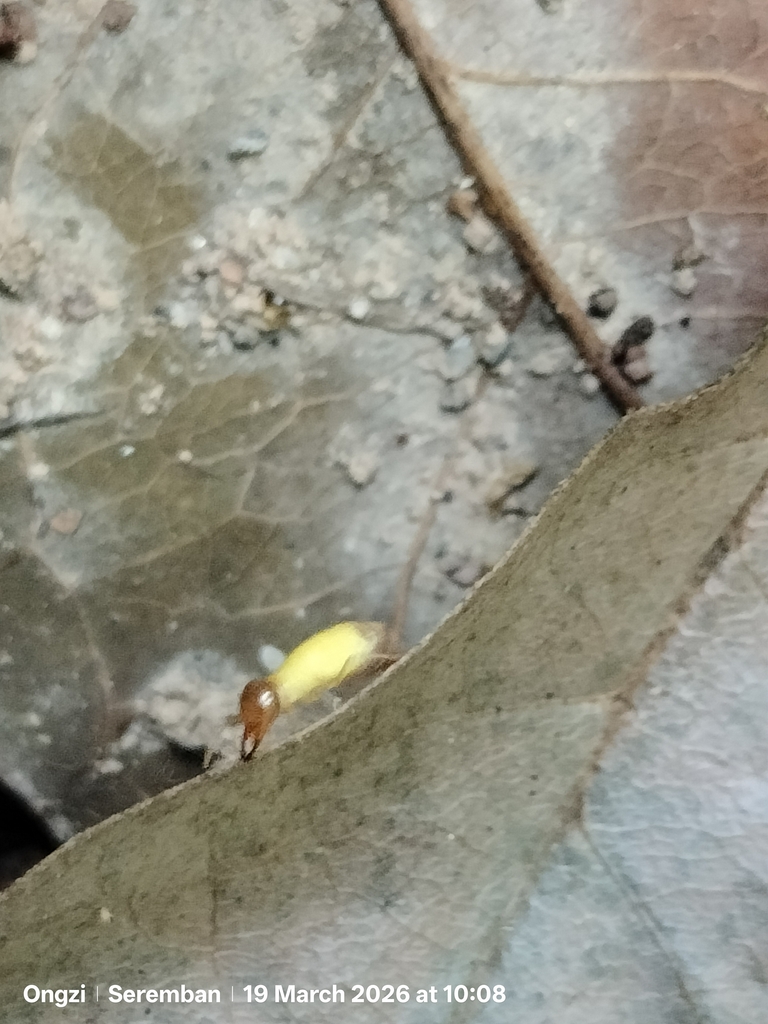
Head and labrum pale yellow, mandibles reddish brown, antennae milky white, pronotum, abdomen and legs nearly milky white. Head densely covered with fine short hairs, the labrum with apical hairs and with long and short hairs intermixed. Head elongate-oval, narrow in front and broad behind, in profile the middle of the vertex raised like a mound; labrum mostly spear-shaped; the middle of the left mandible slightly arched, with a minute tooth before the basal tooth; the right mandible slightly thinner than the left; the postmentum widest at the middle. Antennae with 14 segments. The middle of both the anterior and posterior margins of the pronotum is concave inwards.
Alate
Head and body brown, the head deeper, antennae, postclypeus and the parts below the femora brownish yellow, wings pale brown. Head oval; compound eyes circular, ocelli elliptical, the ocellus-compound eye distance less than the transverse diameter of the ocellus, or the two almost touching; postclypeus less than half as long as wide, raised very high, its anterior margin straight, the posterior margin strongly arched. In individuals with 16 antennal segments the third, fourth and fifth are all shorter than the second. Pronotum ingot-shaped, narrower than the head, with a pale T-shaped mark in the middle, the middle of the anterior margin slightly concave, the middle of the posterior margin deeply concave. Wings about twice as long as the body, the forewing scale almost reaching the base of the hindwing scale; the radius sector of the forewing runs close to the anterior margin straight to the wing tip without distinct branches, the media arises independently at the humeral suture, its distance from the cubitus nearer than that from the radius sector, and divides at the end into several branches reaching the wing tip, the cubitus with about ten branches; the media of the hindwing arises from the radius sector behind the humeral suture. The wing surface is smooth, with only sparse short hairs.
Worker
Nymph
Abstract (from the source)
The soldier is pale yellow with a long-oval head, a humped vertex in profile, a spear-shaped labrum and reddish brown mandibles; the left mandible arches slightly and carries a minute tooth in front of the basal tooth, and antennae have 14 segments. Alates are brown with round compound eyes, elliptical ocelli almost touching the eyes, a strongly arched postclypeus, and a saddle-shaped pronotum with a pale T mark. The wings are about twice the body length, with the forewing radius close to the costal margin.
Biology
Distribution and locality
Jinghong (500 m) and Menghai (1180 m), Yunnan; abroad recorded from Myanmar.
Taxonomic notes
Source: Huang Fusheng et al. (2000), Fauna Sinica, Insecta vol. 17, Isoptera, Science Press. (entry no. 341 in the original work) Entries are cited by their number in the original work.
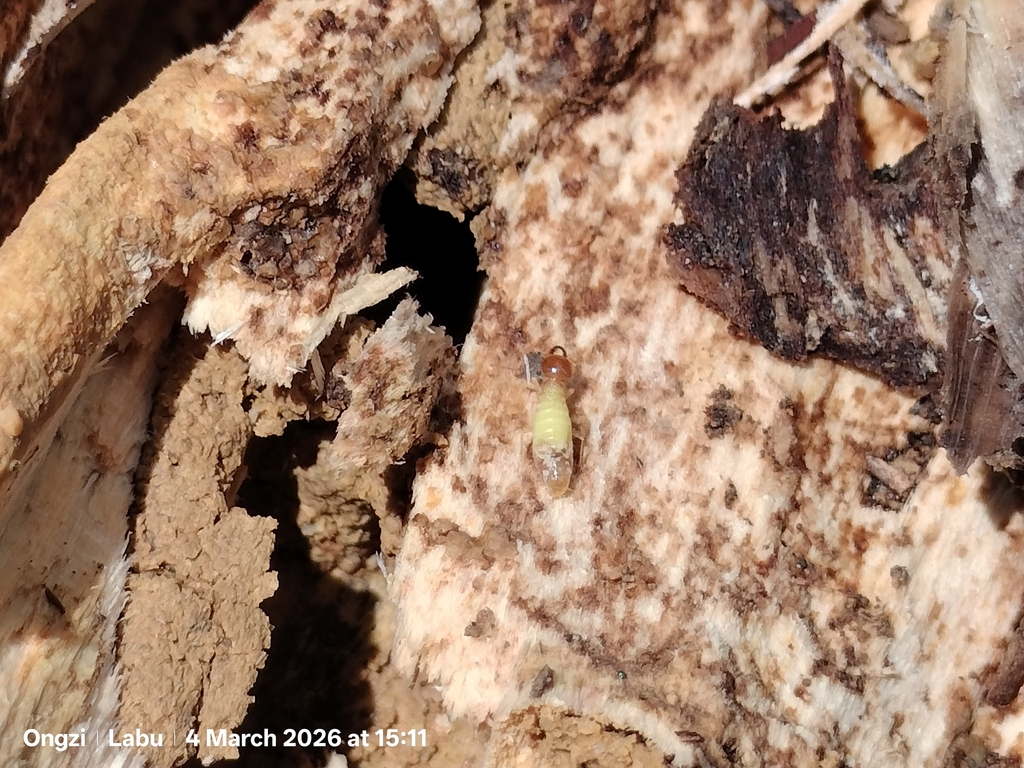
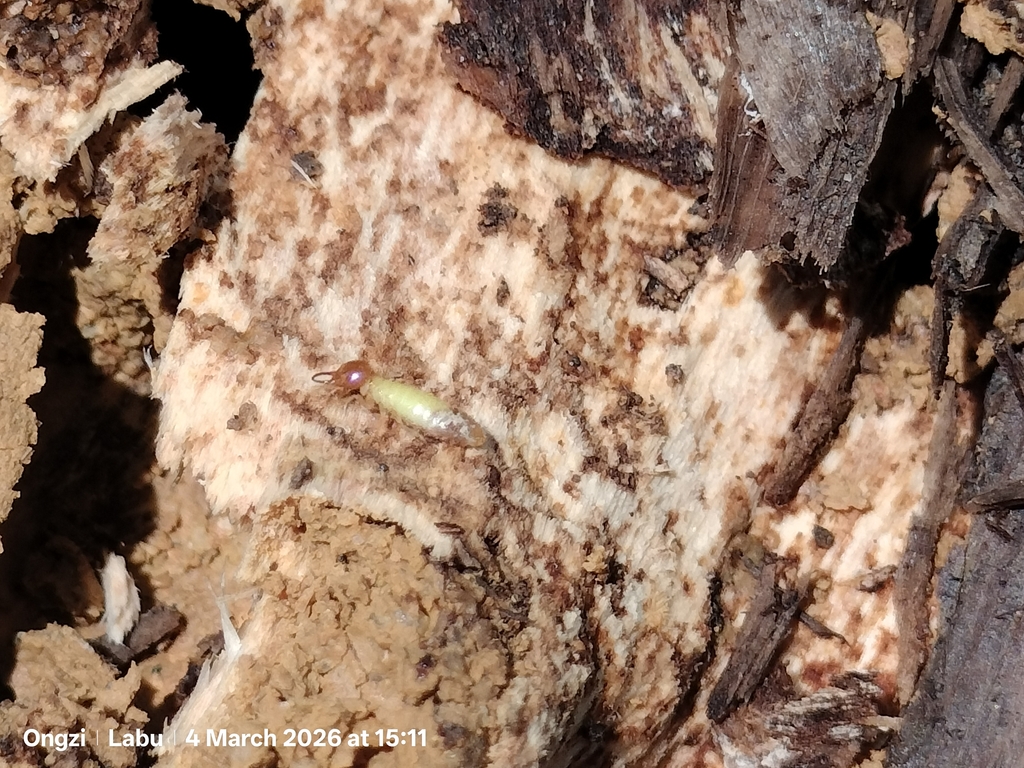
Photos 68 photos
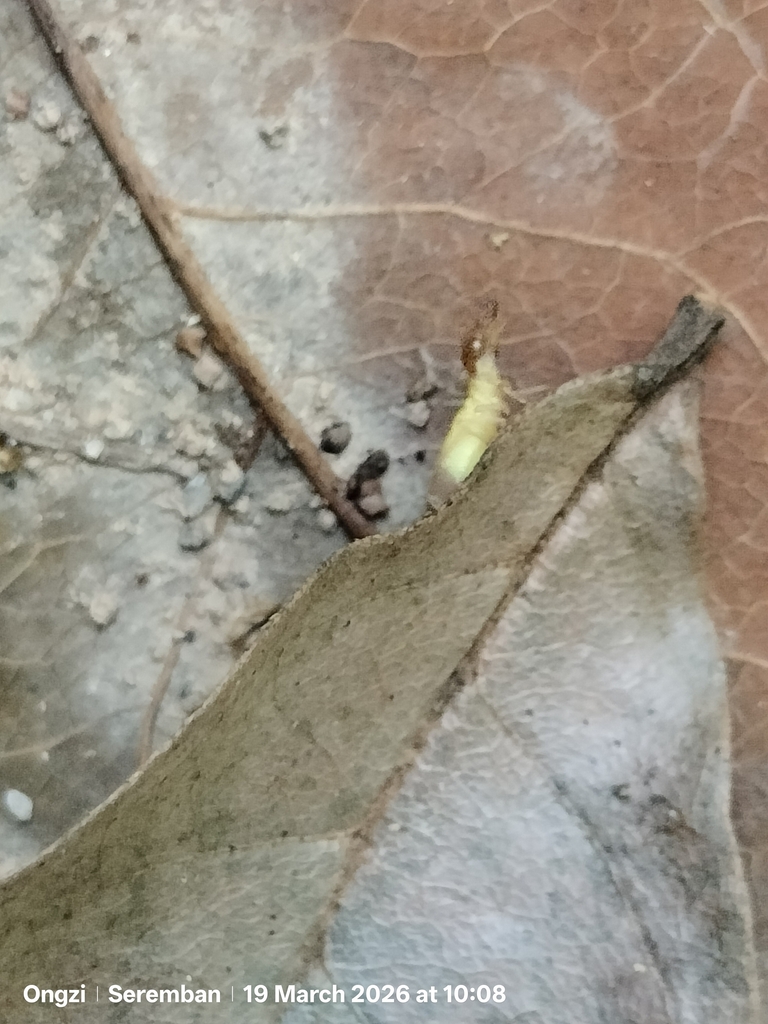
Freely licensed photos, click to enlarge. Hotlinked from iNaturalist / Wikimedia Commons; the rights stay with the photographers — author, licence and source page are shown under each photo. Only the first 6 are shown here; the rest are under “All photos” at the end of the page.
Distribution map
Aggregated from GBIF occurrence records on a 1° grid; only extant taxa of this checklist are used, so fossil records are excluded. Dot size and shade show the number of records inside a cell.
Related papers
Cached papers for this genus (matched automatically, for reference); to search this species with its junior synonyms merged in, use the literature search.
- Suicidal defensive behaviour by frontal gland dehiscence in Globitermes sulphureus Haviland soldiers (Isoptera)
Abstract
- Screening of multimeric β-xylosidases from the gut microbiome of a higher termite, Globitermes brachycerastes
Abstract
Termite gut microbiome is a rich reservoir for glycoside hydrolases, a suite of enzymes critical for the degradation of lignocellulosic biomass.To search for hemicellulases, we screened 12,000 clones from a fosmid gut library of a higher termite, Globitermes brachycerastes.As a common Southeastern Asian genus, Globitermes distributes predominantly in tropical rain forests and relies on the lignocellulases from themselves and bacterial symbionts to digest wood.In total, 22 positive clones with β-xylosidase activity were isolated, in which 11 representing different restriction fragment length polymorphism (RFLP) patterns were pooled and subjected to 454 pyrosequencing.As a result, eight putative β-xylosidases were cloned and heterologously expressed in Escherichia coli BL21 competent cells.After purification using Ni-NTA affinity chromatography, recombinant G. brachycerastes symbiotic β-xylosidases were characterized enzymatically, including their pH and temperature optimum.In addition to β-xylosidase activity, four of them also exhibited either β-glucosidase or α-arabinosidases activities, suggesting the existence of bifunctional hemicellulases in the gut microbiome of G. brachycerastes.In comparison to multimeric protein engineering, the involvement of naturally occurring multifunctional biocatalysts streamlines the genetic modification procedures and simplifies the overall production processes.Alternatively, these multimeric enzymes could serve as the substitutes for β-glucosidase, β-xylosidase and α-arabinosidase to facilitate a wide range of industrial applications, including food processing, animal feed, environment and waste management, and biomass conversion.
- MORTALITY OF GLOBITERMES SULPHUREUS (FAMILY: TERMITIDAE) AGAINST GLIRICIDIA SEPIUM (FAMILY: FABACEAE)
Abstract
The mortality of Globitermes sulphureus against essential oil Gliricidia sepium was investigated. High mortality was shown by hexane extract compared to methanolic extract and DCM extract. 50% mortality was achieved after 15 hours exposure towards 2.96 μg/ml (LD) of G. sepium. neophytadine and coumarine are the compounds that cause mortality to termites.
Papers on this species, synonyms included → OpenAlex Google Scholar CNKI
Abstracts come from open metadata; copyright remains with the original authors/publishers. For reference only — please check the original.
Other species in Globitermes (6 species)
Cite this species
Citation strings are generated from the fields of this page; please keep the DOI and the version number when citing.
GB/T 7714
班奈特格林. Extant Isoptera (termites): a checklist of Latin and Chinese names: Globitermes sulphureus 黄球白蚁[EB/OL]. Version 2026.10.30. https://termite-extant-isoptera.org/en/species/globitermes-sulphureus/. DOI: 10.5281/zenodo.23646836.
BibTeX
@misc{isoptera_globitermes_sulphureus_2026,
  author       = {班奈特格林},
  title        = {Globitermes sulphureus: a checklist of extant Isoptera (termites)},
  year         = {2026},
  version      = {2026.10.30},
  howpublished = {https://termite-extant-isoptera.org/en/species/globitermes-sulphureus/},
  note         = {TERMITIDAE; version 2026.10.30; DOI: 10.5281/zenodo.23646836},
  doi          = {10.5281/zenodo.23646836}
}
RIS
TY  - ELEC
TI  - Globitermes sulphureus: a checklist of extant Isoptera (termites)
AU  - 班奈特格林
PY  - 2026
UR  - https://termite-extant-isoptera.org/en/species/globitermes-sulphureus/
DO  - 10.5281/zenodo.23646836
ER  -