Genus Glyptotermes · 树白蚁属
Filter the taxa recorded under this genus by name and locality; for the whole site use the full-text search.
Distribution map
Photographs 20 photos · 1 species
Freely licensed photos; click to enlarge. This preview shows 6 photos; to browse by species, open “All photos”. Photos are hotlinked from iNaturalist / Wikimedia Commons; the rights stay with the photographers.
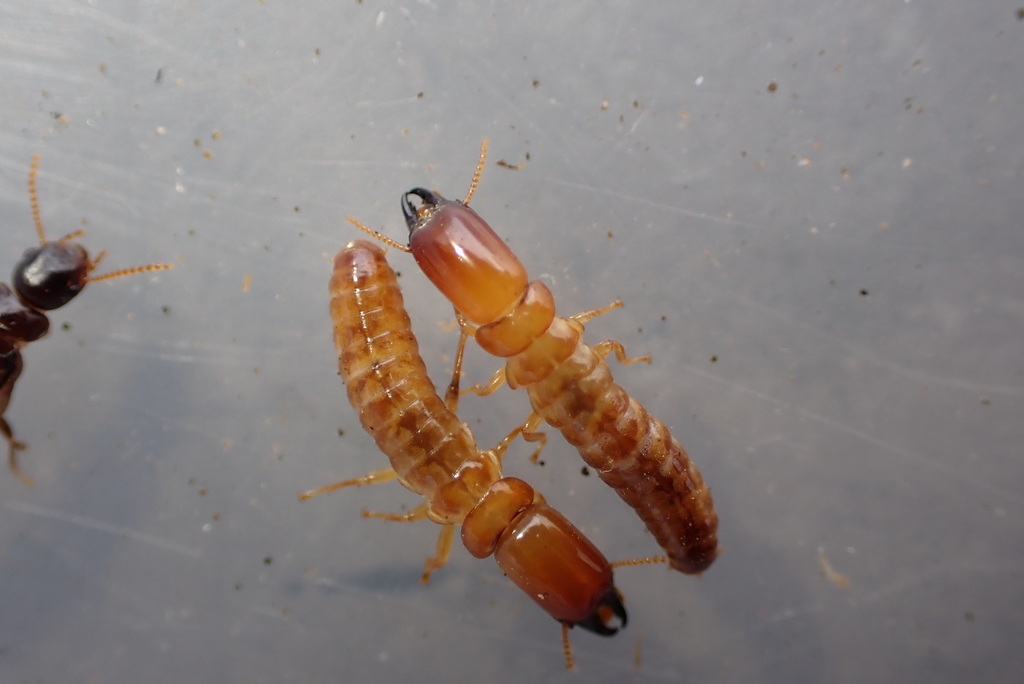
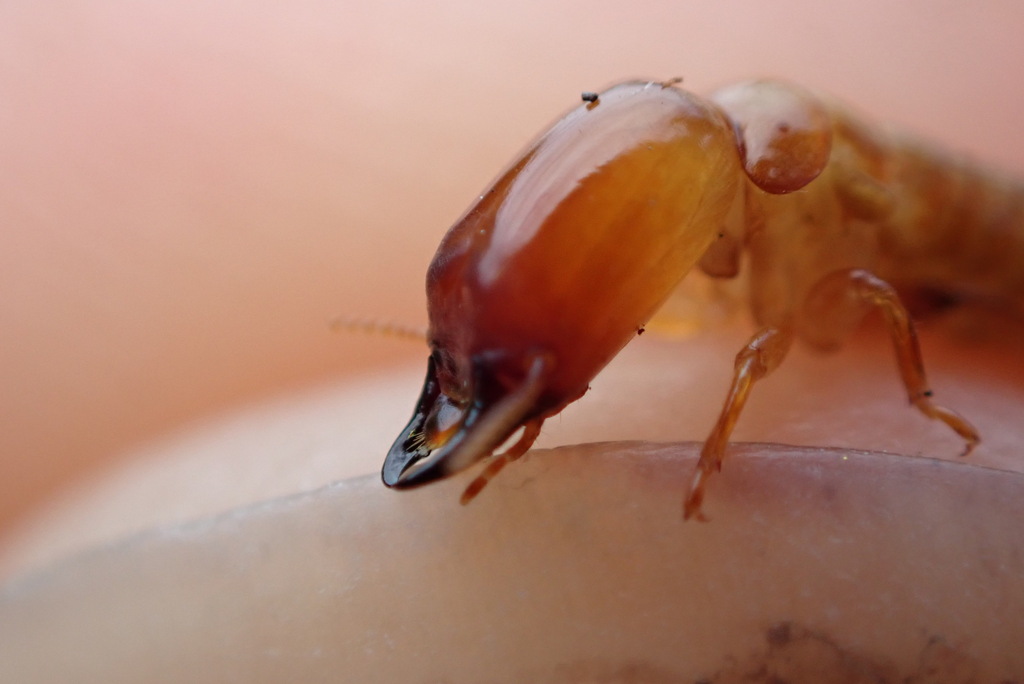
About the genus
This genus belongs to the family Kalotermitidae 木白蚁科; the site records 131 species.
Type species: Glyptotermes tuberculatus.
This page includes a distribution map for the genus (GBIF records aggregated on a 1° grid); open a species entry to see its type locality, distribution, and references.
Etymology
From Greek glyptos (carved, sculpted) + Latin termes.
The etymologies in this section are analytical breakdowns; the roots follow Brown (1956).
Fauna Sinica account
The account below is a reorganized and rewritten adaptation of the genus-level description in Fauna Sinica, Insecta Vol. 17, Isoptera (2000) (genus-level account reorganised and rewritten from the Glyptotermes section of the original book); the source keys and measurement tables are not reproduced here.
Morphology
Key characters
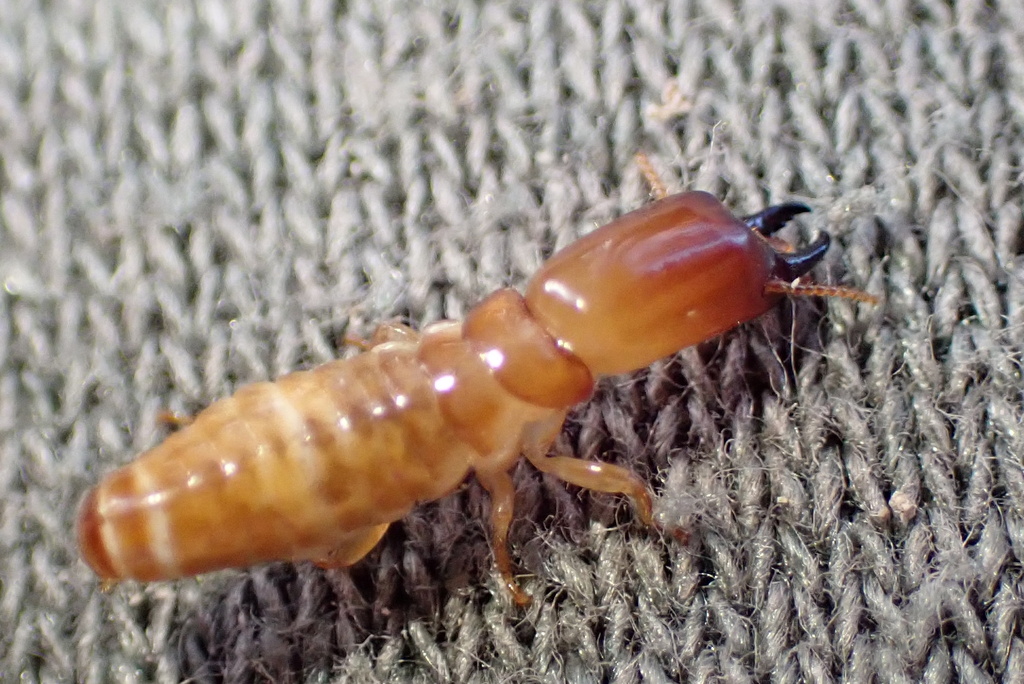
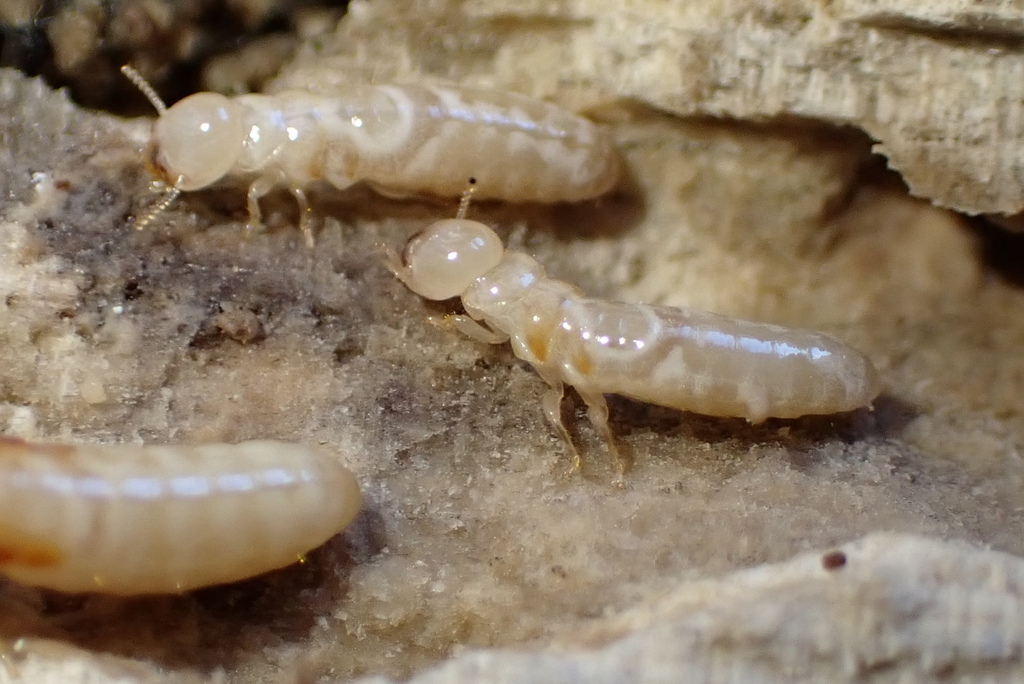
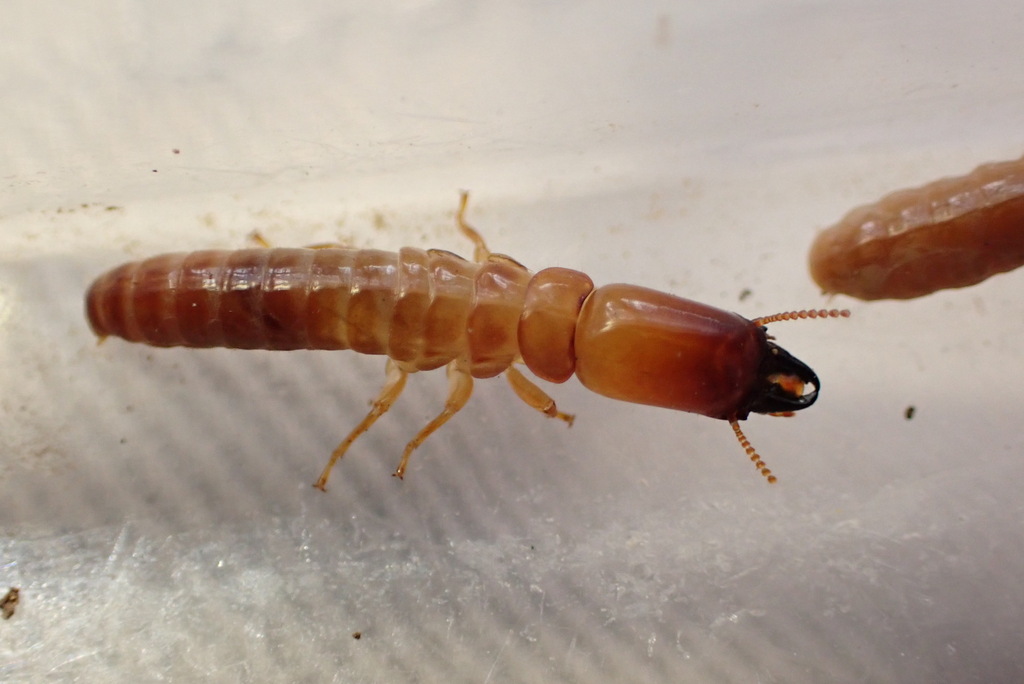
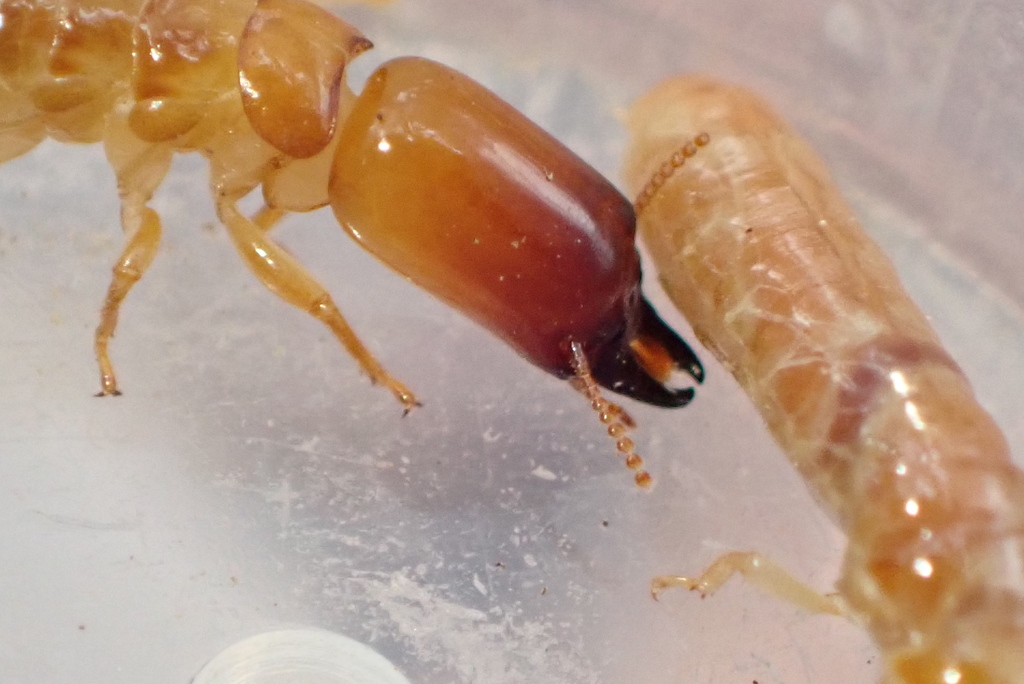
Soldier with an elongate head capsule, the vertex often raised above the rest and forming twin peaks; mandibles short and stout, much shorter relative to head length than in Neotermes; antennae short, mostly 10–12-segmented; labrum square; tarsi 4-segmented.
Soldier
Soldier with an elongate head capsule, the vertex usually higher than the rest of the head, forming twin peaks. Frontal surface either sloping or steep; in some species the frontal wrinkles are coarse and deep, in others smooth or with punctate sculpture. Antennae short, mostly 10–12-segmented. Mandibles short and stout, much shorter relative to head length than in Neotermes, with several distinct marginal teeth, the basal ridge of the mandible prominent or flat. Pronotum flattened and broad. Labrum mostly square. Femora not thickened. Spur formula 3:3:3, tarsi 4-segmented.
Alate
The alate largely resembles that of Kalotermes, differing in that the media of the wing is straight and closely appressed to the radial sector, and neither media nor radius branches. Antennae 12–15-segmented, spur formula 3:3:3, tarsi 4-segmented; the structure of the legs and wings is similar to that of Kalotermes.
Distribution
Recorded from the Oriental, Australian, Neotropical and Afrotropical regions.
Summary
Glyptotermes soldiers have an elongate head whose vertex is often raised and doubly peaked, with a sloping or steep frons that may be wrinkled, smooth or punctate. Antennae are short, mostly ten to twelve segments, and the mandibles are short and stout with several distinct marginal teeth, much shorter relative to the head than in Neotermes. The labrum is usually quadrate, the pronotum flat and broad, and the tibial spur formula three to three to three.
Sources cited: Huang Fusheng, Zhu Shimo, Ping Zhengming, Wang Zhiguo, Li Can and Xu Chungui, 2000. Fauna Sinica, Insecta Vol. 17, Isoptera. Beijing: Science Press. This text is a reorganized adaptation, not a verbatim transcription.
Species (131)
- Glyptotermes adamsoni Krishna & Emerson, 1962 亚当森树白蚁
- Glyptotermes albofemoralis Wu, Tsai & Li, 2024 白足树白蚁
- Glyptotermes almorensis Gardner, 1945 阿尔莫拉树白蚁
- Glyptotermes amplus Scheffrahn, Su & Krecek, 2001 大型树白蚁
- Glyptotermes angustithorax Ping & Xu, 1986 狭胸树白蚁
- Glyptotermes angustus Snyder, 1925 变狭树白蚁
- Glyptotermes arshadi Akhtar, 1975 阿沙德树白蚁
- Glyptotermes asperatus Snyder, 1926 粗糙树白蚁
- Glyptotermes baliochilus Ping & Xu, 1986 花唇树白蚁
- Glyptotermes barretti Eldridge, 1996 巴雷特树白蚁
- Glyptotermes besarensis Thakur, 1989 贝萨树白蚁
- Glyptotermes bilobatus Snyder, 1934 双裂树白蚁
- Glyptotermes bimaculifrons Ping & Liu, 1985 双斑树白蚁
- Glyptotermes borneensis Haviland, 1898 婆罗树白蚁
- Glyptotermes brachythorax Ping & Xu, 1986 短胸树白蚁
- Glyptotermes brevicaudatus Haviland, 1898 短尾树白蚁
- Glyptotermes brevicornis Froggatt, 1897 短角树白蚁
- Glyptotermes buttelreepeni Holmgren, 1914 巴特里彭树白蚁
- Glyptotermes canellae Müller, 1873 卡内尔树白蚁
- Glyptotermes caudomunitus Kemner, 1932 具尾树白蚁
- Glyptotermes ceylonicus Holmgren, 1911 锡兰树白蚁
- Glyptotermes chapmani Light, 1930 查普曼树白蚁
- Glyptotermes chatterjii Thapa, 1982 查特杰树白蚁
- Glyptotermes chinpingensis Tsai & Chen, 1963 金平树白蚁
- Glyptotermes chiraharitae Amina & Rajmohana, 2016 常绿树白蚁
- Glyptotermes concavifrons Krishna & Emerson, 1962 凹额树白蚁
- Glyptotermes contracticornis Snyder, 1925 缩角树白蚁
- Glyptotermes coorgensis Holmgren & Holmgren, 1917 古尔格树白蚁
- Glyptotermes curticeps Fan & Xia, 1980 短头树白蚁
- Glyptotermes daiyunensis Li & Huang, 1986 戴云树白蚁
- Glyptotermes daweishanensis Huang, Zhu, Ping, He, Li & Gao, 2000 大围山树白蚁
- Glyptotermes dentatus Haviland, 1898 具齿树白蚁
- Glyptotermes dilatatus Bugnion & Popoff, 1910 延伸树白蚁
- Glyptotermes emei Gao, Zhu, Gong & Han, 1981 峨嵋树白蚁
- Glyptotermes eucalypti Froggatt, 1897 桉树树白蚁
- Glyptotermes euryceps Gao, Zhu & Gong, 1981 宽头树白蚁
- Glyptotermes ficus Ping & Xu, 1986 榕树白蚁
- Glyptotermes finniganensis Eldridge, 1996 菲尼根树白蚁
- Glyptotermes franciae Snyder, 1958 弗朗西亚树白蚁
- Glyptotermes fujianensis Ping, 1983 福建树白蚁
- Glyptotermes fuscus Oshima, 1912 黑树白蚁
- Glyptotermes guamensis Krishna & Emerson, 1962 关岛树白蚁
- Glyptotermes guianaensis Emerson, 1925 圭亚那树白蚁
- Glyptotermes guizhouensis Ping & Xu, 1986 贵州树白蚁
- Glyptotermes hejiangensis Gao, 1984 合江树白蚁
- Glyptotermes hendrickxi Krishna & Emerson, 1962 亨德里克斯树白蚁
- Glyptotermes hesperus Gao, Zhu & Han, 1981 川西树白蚁
- Glyptotermes hickmani Scheffrahn, 2021 希克曼树白蚁
- Glyptotermes hospitalis Emerson, 1925 客居树白蚁
- Glyptotermes ignotus Wilkinson, 1959 忽视树白蚁
- Glyptotermes insulanus Silvestri, 1912 岛栖树白蚁
- Glyptotermes iridipennis Froggatt, 1897 虹翅树白蚁
- Glyptotermes jinyunensis Chen & Ping, 1985 缙云树白蚁
- Glyptotermes jurioni Krishna & Emerson, 1962 朱里翁树白蚁
- Glyptotermes kachongensis Ahmad, 1965 卡冲树白蚁
- Glyptotermes kawandae Wilkinson, 1954 卡旺达树白蚁
- Glyptotermes kirbyi Krishna & Emerson, 1962 柯比树白蚁
- Glyptotermes kunakensis Thapa, 1982 库纳克树白蚁
- Glyptotermes laticaudomunitus Thapa, 1982 宽尾树白蚁
- Glyptotermes latignathus Gao & Zhu, 1982 阔颚树白蚁
- Glyptotermes latithorax Fan & Xia, 1980 宽胸树白蚁
- Glyptotermes liangshanensis Gao, Zhu & Gong, 1982 凉山树白蚁
- Glyptotermes liberatus Snyder, 1929 自由树白蚁
- Glyptotermes lighti Krishna & Emerson, 1962 莱特树白蚁
- Glyptotermes limulingensis Ping & Xu, 1986 黎母岭树白蚁
- Glyptotermes longipennis Krishna & Emerson, 1962 长翅树白蚁
- Glyptotermes longnanensis Gao & Zhu, 1980 陇南树白蚁
- Glyptotermes longuisculus Krishna & Emerson, 1962 稍长树白蚁
- Glyptotermes luteus Kemner, 1931 蜡黄树白蚁
- Glyptotermes maculifrons Ping & Li, 1983 麻额树白蚁
- Glyptotermes magnioculus Ping & Liu, 1985 大眼树白蚁
- Glyptotermes magsaysayi Snyder, 1958 麦格赛赛树白蚁
- Glyptotermes mandibulicinus Ping & Xu, 1986 翘颚树白蚁
- Glyptotermes marlatti Snyder, 1926 马拉特树白蚁
- Glyptotermes matsuurai Yashiro & Lo, 2024 松浦树白蚁
- Glyptotermes minutus Kemner, 1932 较小树白蚁
- Glyptotermes montanus Kemner, 1934 高山树白蚁
- Glyptotermes nadaensis Li, 1987 那大树白蚁
- Glyptotermes nakajimai Morimoto, 1973 中岛树白蚁
- Glyptotermes neoborneensis Thapa, 1982 新婆罗树白蚁
- Glyptotermes nevermani Snyder, 1926 内韦曼树白蚁
- Glyptotermes nicobarensis Maiti & Chakraborty, 1981 尼科巴树白蚁
- Glyptotermes niger Kemner, 1934 黑色树白蚁
- Glyptotermes nissanensis Krishna & Emerson, 1962 尼桑树白蚁
- Glyptotermes orthognathus Ping & Chen, 1985 直颚树白蚁
- Glyptotermes palauensis Krishna & Emerson, 1962 帕劳树白蚁
- Glyptotermes panaitanensis Thakur, 1989 巴拉依丹树白蚁
- Glyptotermes paracaudomunitus Thapa, 1982 似具尾树白蚁
- Glyptotermes paratuberculatus Thapa, 1982 似具瘤树白蚁
- Glyptotermes parki Krishna & Emerson, 1962 帕克树白蚁
- Glyptotermes parvoculatus Krishna & Emerson, 1962 小眼树白蚁
- Glyptotermes parvulus Sjöstedt, 1907 细小树白蚁
- Glyptotermes parvus Fan & Xia, 1980 小树白蚁
- Glyptotermes pellucidus Emerson, 1925 清晰树白蚁
- Glyptotermes perparvus Emerson, 1925 极小树白蚁
- Glyptotermes pinangae Haviland, 1898 槟榔树白蚁
- Glyptotermes planus Snyder, 1925 平扁树白蚁
- Glyptotermes posticus Hagen, 1858 后部树白蚁
- Glyptotermes pubescens Snyder, 1924 柔毛树白蚁
- Glyptotermes reticulatus Wilkinson, 1954 似网树白蚁
- Glyptotermes rotundifrons Krishna & Emerson, 1962 圆额树白蚁
- Glyptotermes satsumensis Matsumura, 1907 赤树白蚁
- Glyptotermes schmidti Krishna & Emerson, 1962 施密德树白蚁
- Glyptotermes scotti Holmgren, 1910 斯科特树白蚁
- Glyptotermes seeversi Krishna & Emerson, 1962 西弗斯树白蚁
- Glyptotermes sensarmai Maiti, 1976 森萨尔马树白蚁
- Glyptotermes sepilokensis Thapa, 1982 西比洛克树白蚁
- Glyptotermes shaanxiensis Huang & Zhang, 1986 陕西树白蚁
- Glyptotermes sicki Krishna & Emerson, 1962 西克树白蚁
- Glyptotermes simaoensis Li, 1987 思茅树白蚁
- Glyptotermes sinomalatus Krishna & Emerson, 1962 弯翅树白蚁
- Glyptotermes succineus Ping & Gong, 1986 琥珀树白蚁
- Glyptotermes suturis Snyder, 1925 缝合树白蚁
- Glyptotermes taruni Bose, 1999 塔鲁恩树白蚁
- Glyptotermes taveuniensis Hill, 1926 塔韦乌尼树白蚁
- Glyptotermes teknafensis Akhtar, 1975 代格纳夫树白蚁
- Glyptotermes thailandis Morimoto, 1973 泰国树白蚁
- Glyptotermes tikaderi Chhotani & Bose, 1985 铁卡德树白蚁
- Glyptotermes tripurensis Thakur, 1975 特里普拉树白蚁
- Glyptotermes truncatus Krishna & Emerson, 1962 伤残树白蚁
- Glyptotermes tsaii Huang & Zhu, 1986 蔡氏树白蚁
- Glyptotermes tuberculatus Froggatt, 1897 具瘤树白蚁 ★ Type species
- Glyptotermes tuberifer Krishna & Emerson, 1962 具疣树白蚁
- Glyptotermes ueleensis Coaton, 1955 韦莱树白蚁
- Glyptotermes ukhiaensis Akhtar, 1975 乌吉亚树白蚁
- Glyptotermes verrucosus Hagen, 1858 疣多树白蚁
- Glyptotermes xantholabrum Hill, 1926 黄唇树白蚁
- Glyptotermes xiamenensis Li & Huang, 1986 厦门树白蚁
- Glyptotermes yingdeensis Li, 1987 英德树白蚁
- Glyptotermes yui Ping & Xu, 1986 尤氏树白蚁
- Glyptotermes zhaoi Ping, 1984 赵氏树白蚁
Parent level: Checklist index · Kalotermitidae 木白蚁科 · Data & downloads